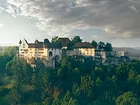
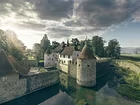
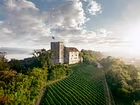
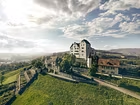
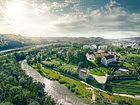
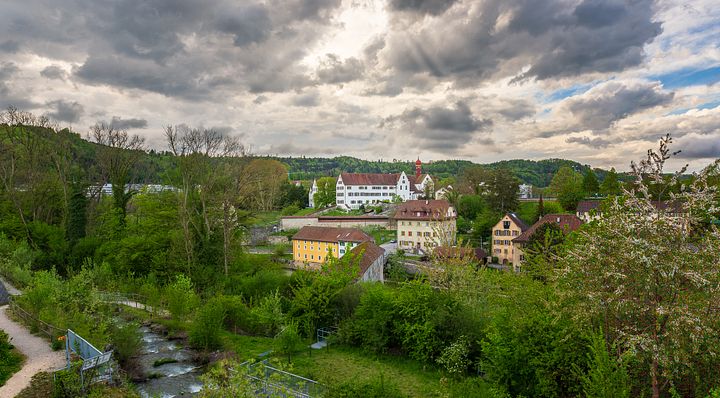
Directions to Wildegg Castle Address Schloss Wildegg – Museum Aargau Effingerweg 5 5103 Wildegg Tel. 0848 871 200 Contact Arrival by public transport and car Arriving by train and bus Wildegg Castle is easily accessible by public transport. For larger events especially, we recommend travelling by train and bus. From Wildegg railway station you can reach the castle on foot in about 20 minutes. The signposted path leads through the village and finally along the vineyard up to the castle. There are also several bus lines to the castle. The nearest bus stop is "Möriken AG, Schloss Wildegg". The easy walk from the bus stop up to the castle takes about 10 minutes. From Zurich there are express trains to Lenzburg. There, bus lines 380 (weekdays) and 381 (monday – sunday) towards Wildegg will take you to the "Möriken AG, Schloss Wildegg" stop. Regional trains run from Brugg and Aarau to Wildegg. From there, bus lines 380 (weekdays) and 381 (monday – sunday) towards Lenzburg go to the "Möriken AG, Schloss Wildegg" stop. To the SBB timetable Arriving by car Wildegg Castle is only a few minutes away from the A1 and A3 motorways: free parking is available below the castle at the organic farm (with parking fee for special events). There is an official car park for disabled visitors . Direct access to the castle is possible for persons with reduced mobility. However, we kindly ask you to park your vehicle in the general car park afterwards. The walk from the car park to the castle takes about 5 minutes. From Zurich: A1 motorway, Mägenwil exit From Bern: A1 motorway, Aarau-Ost exit From Basel: A3 motorway, Brugg/Windisch exit (direction Brunegg) Calculate route with Google Maps Parking Parking spaces (with parking fee) are available below the castle at the organic farm. There is an official parking lot for disabled people . Direct access to the castle is possible for persons with reduced mobility. However, we kindly ask you to park your vehicle in the general car park afterwards. The walk from the car park to the castle takes about 5 minutes. Coach parking Parking spaces are available for coaches and other larger vehicles.
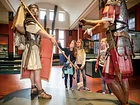
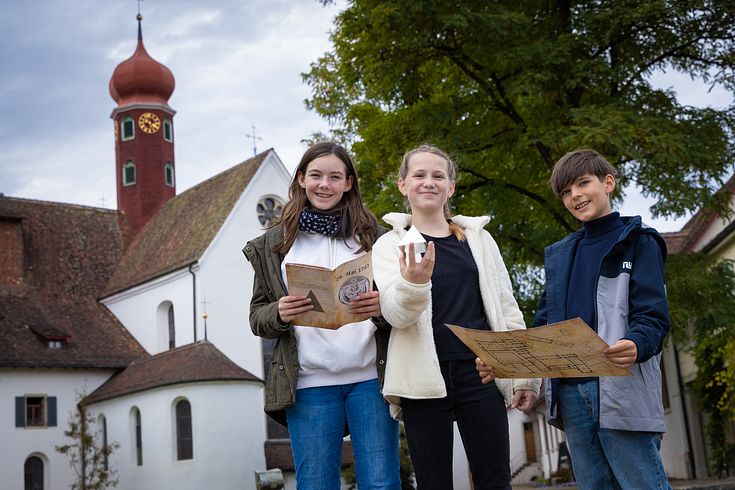
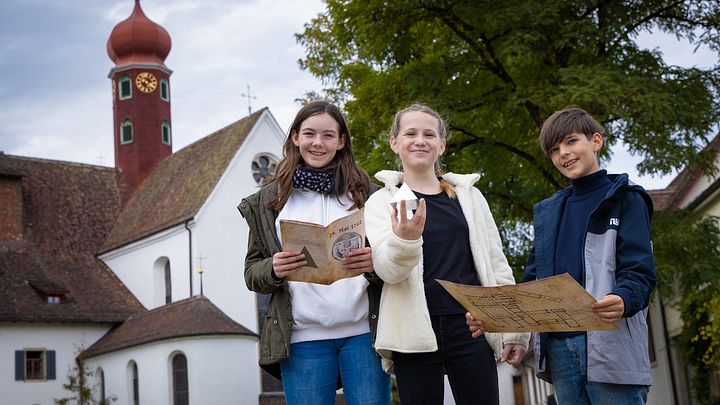
Wildegg Castle offers great attractions for children and families: discover secret corners, play in the castle barn and hunt the nimble fox on the Foxtrail! Children can dress up as knights and damsels in the old castle barn, set the table in the children's castle or saddle their wooden horse in the stables. If you feel peckish or thirsty, the castle bistro offers regional delicacies and invites you to linger in the castle courtyard. There are barbecue and picnic areas in the castle grounds. The playground at Wildegg Castle is sure to delight children of all ages. Opening hours 1 April to 1 November 2026 Tue – Sun, holidays: 10 am – 5 pm Mon: closed Impressions
Directions to Habsburg Castle Address Schloss Habsburg – Museum Aargau Schlossgasse 30 5245 Habsburg Tel. 0848 871 200 Contact Arrival by public transport and car Arriving by train and bus The fastest way to reach Habsburg Castle is via Brugg railway station. From Brugg, take bus 366 to the "Habsburg Dorfplatz" stop. From here it is about 10 minutes on foot to the castle. From Brugg, bus 368 also runs to the "Schinznach Bad, Aquarena" stop. From here it is a pleasant, approximately 1-hour walk to Habsburg Castle. To the SBB timetable Arriving by car Habsburg Castle is easily accessible by car: From Zurich: A1 motorway, Brugg exit From Basel: A3 motorway, Brugg exit From Bern: A1 motorway, Aarau-Ost (Hunzenschwil) exit Calculate route with Google Maps Parking Free parking spaces are located about 200 meters below the castle. There are no official disabled parking spaces. Please note the information for people with disabilities . The walk from the car park to the castle takes about 5 minutes. Coach parking Parking spaces are available for coaches and other larger vehicles.
Directions to Lenzburg Castle Address Schloss Lenzburg – Museum Aargau 5600 Lenzburg Tel. 0848 871 200 Contact Arrival by public transport and car Arriving by train and bus Lenzburg Castle is well served by public transport. We recommend travelling by train and bus, especially for larger events . From Lenzburg railway station you can reach the castle on foot in 20 to 30 minutes. The signposted path leads through the picturesque old town up to the castle hill. Several bus lines run to the castle hill. The nearest bus stop is "Lenzburg, Schloss". This can be reached hourly by bus line 391 from Lenzburg railway station (8 minutes). The walk from the bus stop at the castle car park to the castle takes about 10 minutes (not suitable for wheelchair users ). To the SBB timetable Arriving by car Lenzburg Castle is only a few minutes away from the A1 motorway (Lenzburg exit). It is therefore easily accessible by car from Zurich (40 minutes) Basel (60 minutes) Bern (70 minutes) Lucerne (60 minutes) Calculate route with Google Maps Parking Parking spaces are available below the castle (parking fee). The walk to the castle takes about 10 minutes. There are no official parking spaces for people with reduced mobility. However, barrier-free access to the castle is possible by prior arrangement. Coach parking Parking spaces are available for coaches and other larger vehicles.
Experience Wildegg Castle! Events and public guided tours take place regularly at the castle. Calendar of events (in German) Contact +41 (0)848 871 200 Send a message Telephone availability: Tuesday to Friday 9 am - 12 pm / 1 pm - 4:30 pm November to March only in the morning
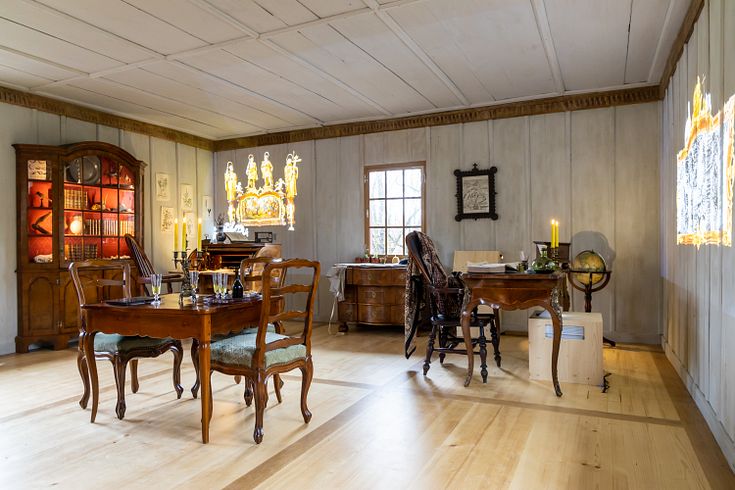
Wildegg Castle is the only talking castle in Switzerland. Meet some of its former inhabitants in the museum and listen to hunting stories. The living and working rooms of the castle are furnished as they were in around 1800, and bear witness to the sophisticated lifestyle and exquisite taste of the von Effinger family. On the tour you will meet the former inhabitants in talking portraits. These provide an entertaining and informative insight into the history of the castle from the Middle Ages to the 20th century. Children can dress up as knights and damsels in the old castle barn, set the table in the children's castle or saddle their wooden horse in the stables. Be sure to visit our gardens too! Opening hours 1 April to 1 November 2026 Tue – Sun, holidays: 10 am – 5 pm Mon: closed COLLECTION Portrait Collection Site in German Collection online Egliswil Collection Centre Visit the collection Impressions
Residents and owners Construction history Residents and owners Radbot the founder The Eigenamt, the territory between the Kestenberg hill and the rivers Aare and Reuss, was part of the early possessions of the Habsburg. On the Wülpelsberg hill, Radbot and his brother-in-law Bishop Werner von Strassburg built the Habsburg Castle around 1020/1030. More Less 1020/1030 The Counts of Habsburg Radbot's grandson Otto II was the first member of the family to use the title Count of Habsburg holding the countship of Upper Alsace. His descendants lived in their ancestral castle until around 1230. More Less 11/12th c. Ministerialis After 1230, Habsburg Castle did not suit the ambitious comital family as a residence anymore and was invested as fiefs to low nobility ministerialis. Thus the stewards of Habsburg-Wildegg resided in the rear castle, and the front castle was given to the Lords of Wülpelsberg and later on to the knights of Wolen. In 1371 Henman of Wolen united the two castle fiefs. More Less 13th c. Multiple change of possession With the invasion of the Confederates in 1415 the Habsburg lost their ancestral castle, it was taken by the Bernese without a struggle. Henman of Wolen had to acknowledge the sovereignty of Berne and, impoverished, bequeathed in 1419 Habsburg Castle to his nephew Peter of Greifensee. Peter sold it in 1457 to the Bernese, who in turn disposed it to Anton Segesser in 1462. By 1469 the castle ended up in the property of the Convent of Königsfelden. More Less 14/15th c. The Stewards of Königsfelden After the secularisation of monasteries in the course of the Reformation, Habsburg Castle fell into the hands of Berne again and was administrated by its Stewards in Königsfelden. Already decayed to two-thirds, the castle was only occasionally occupied by a guardian. More Less 16/17th c. In the possession of the Canton of Argovia In 1804, Canton Argovia took ownership of Habsburg Castle. Several phases of renovation of the well-preserved rear castle succeeded. The ruins of the rear castle were excavated and conserved between 1978 and 1983. Since 2009 Habsburg Castle is part of Museum Aargau. More Less 20th c. Construction history The first castle The first castle largely consisted of timber constructions. The only masoned edifice was the partly representative, partly fortified residential building, a multi-storey stone house. More Less 1020/1030 Extension to a double castle In the last third of the 11th century the extension to a double castle took place. The front castle was completed with the east and north towers. The oldest still existing edifice of the rear castle is the small tower dating from the late 11th or early 12th century. During the 12th century a two-storey chapel was erected in the courtyard. More Less 11/12th c. Extension of the rear castle From 1200 on the rear castle was extended by the large tower and a curtain wall with a flanking tower at the northern hillside. With the residential building and its inner courtyard the rear castle as it exists still today was completed around 1230. More Less 13th c. The trench When the front castle was abandoned around 1220/30 and began to decay, the rear castle's ability of defence towards east was weakened. Therefor the trench, dug in the courtyard in the 14th or 15th century, was supposed to hinder the approach to the remaining rear castle. More Less 14/15th c. Bernese restorations After almost 300 years without noteworthy construction activities, the Bernese started restoration works in the rear castle in the 16th century. The residential building and the inner courtyard were altered and extended several times. Around 1600 the well was given up. In the 17th century the castle chapel and the ruins of the front castle were torn. More Less 16/17th c. Renovations From 1866 on Canton Argovia undertook several renovations of the castle, by then neglected for decades again. From 1866 on Canton Argovia undertook several renovations of the castle, by then neglected for decades again. Today's completion of the interior of the rear castles residential building and inner courtyard date from this period. More Less 19th c. Excavations After further renovation works at rear castle the ruins of the front castle were excavated and conserved from 1978 to 1983. Special examinations of the courtyard took place in 1994/95. More Less 20th c. Opening hours & entrance fees Exhibitions Contact
Habsburg Castle offers great days out for families and children: discover secret corners and get to know former palace residents on the Habsburg Kings' Route! Habsburg Castle is an exciting destination for families and children whenever you visit: during the week, at weekends, in the holidays or on a rainy day. Well-equipped barbecue facilities in the nearby woods are the perfect place for a picnic. Opening hours 1 April to 1 November 2026 Tue – Sun, holidays: 10 am – 5 pm Mon: closed Winter: Open during restaurant opening hours Impressions
14 out of 20
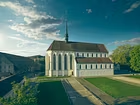
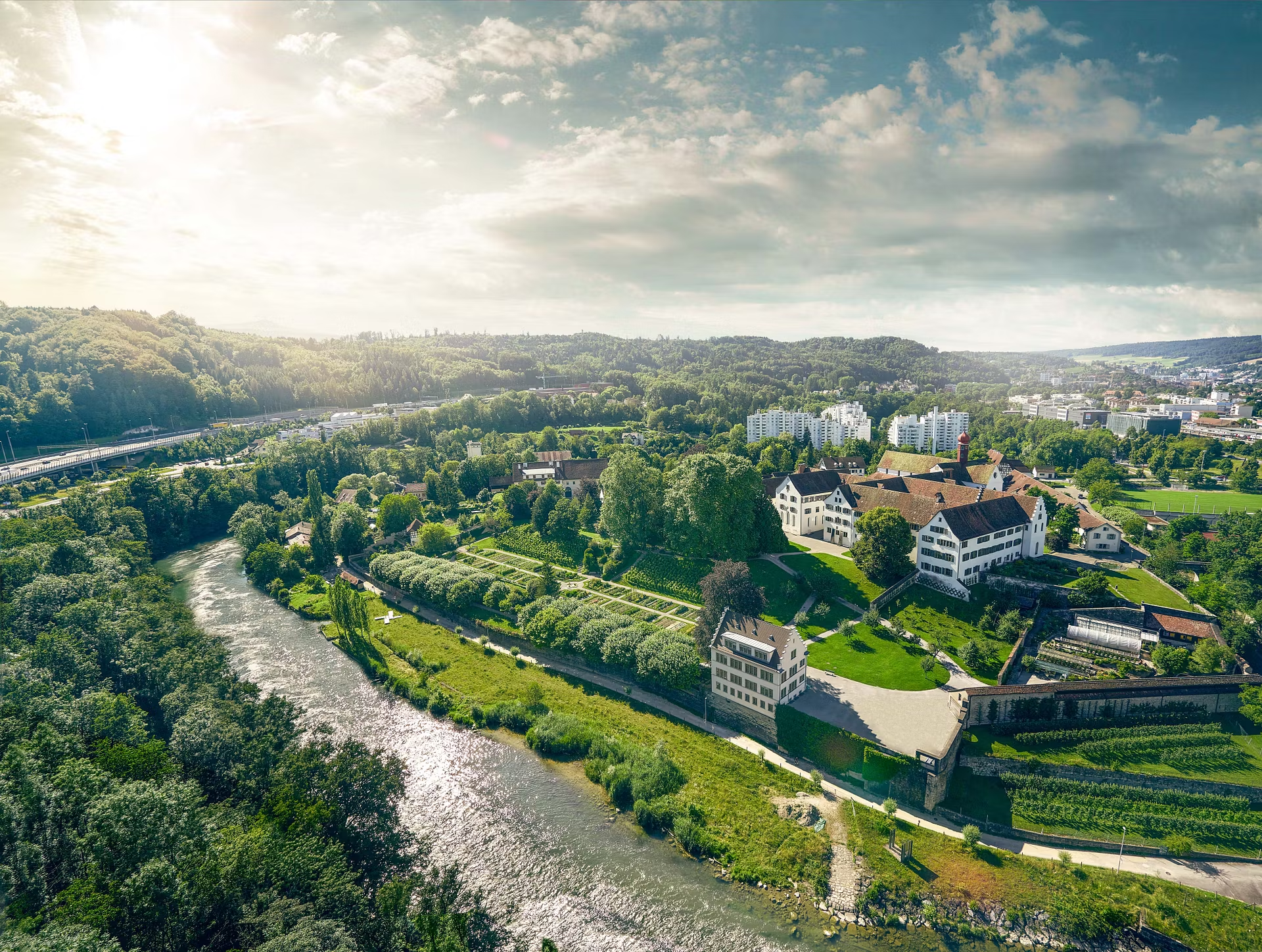
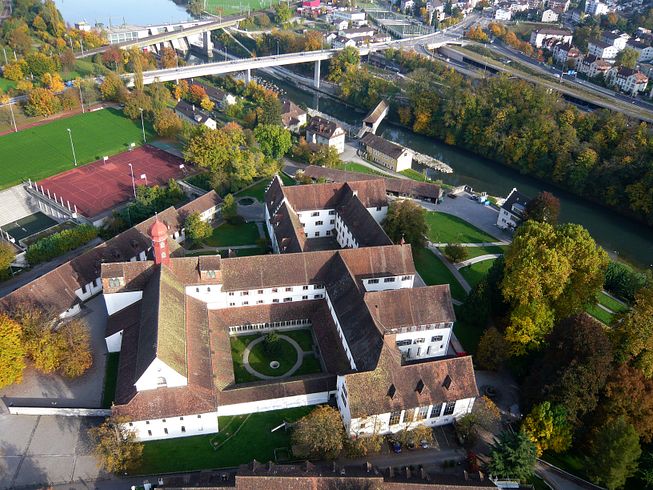
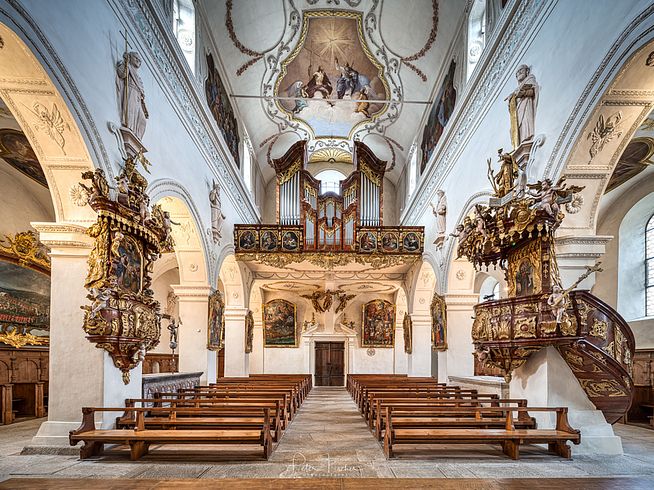
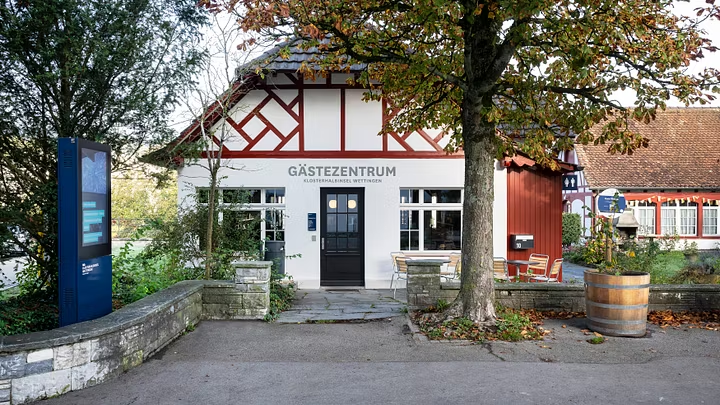
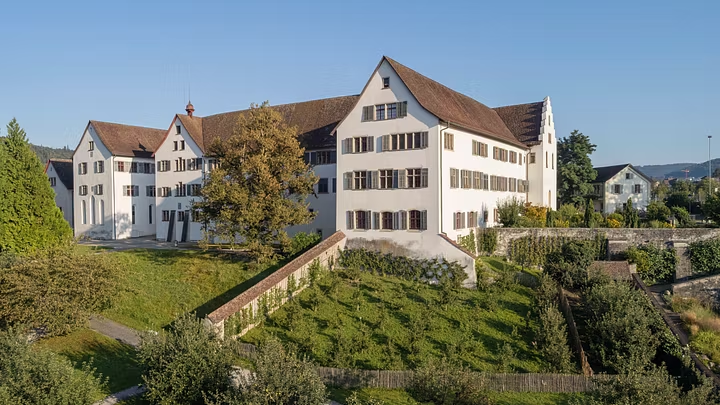
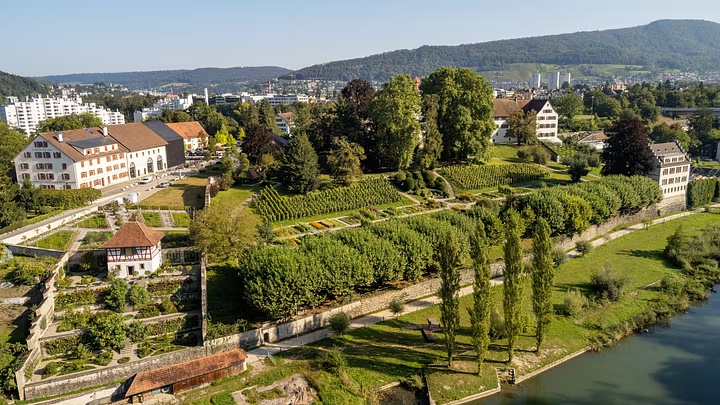
Wettingen Abbey
Faith, power, knowledge
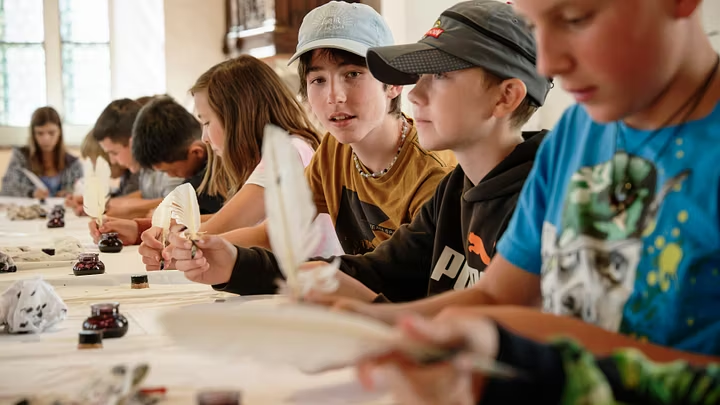
Wettingen Abbey is a cultural asset of international standing. Culture, education, history and hospitality merge into one experience at this power spot on the river Limmat.