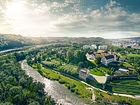
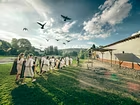
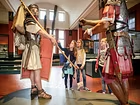
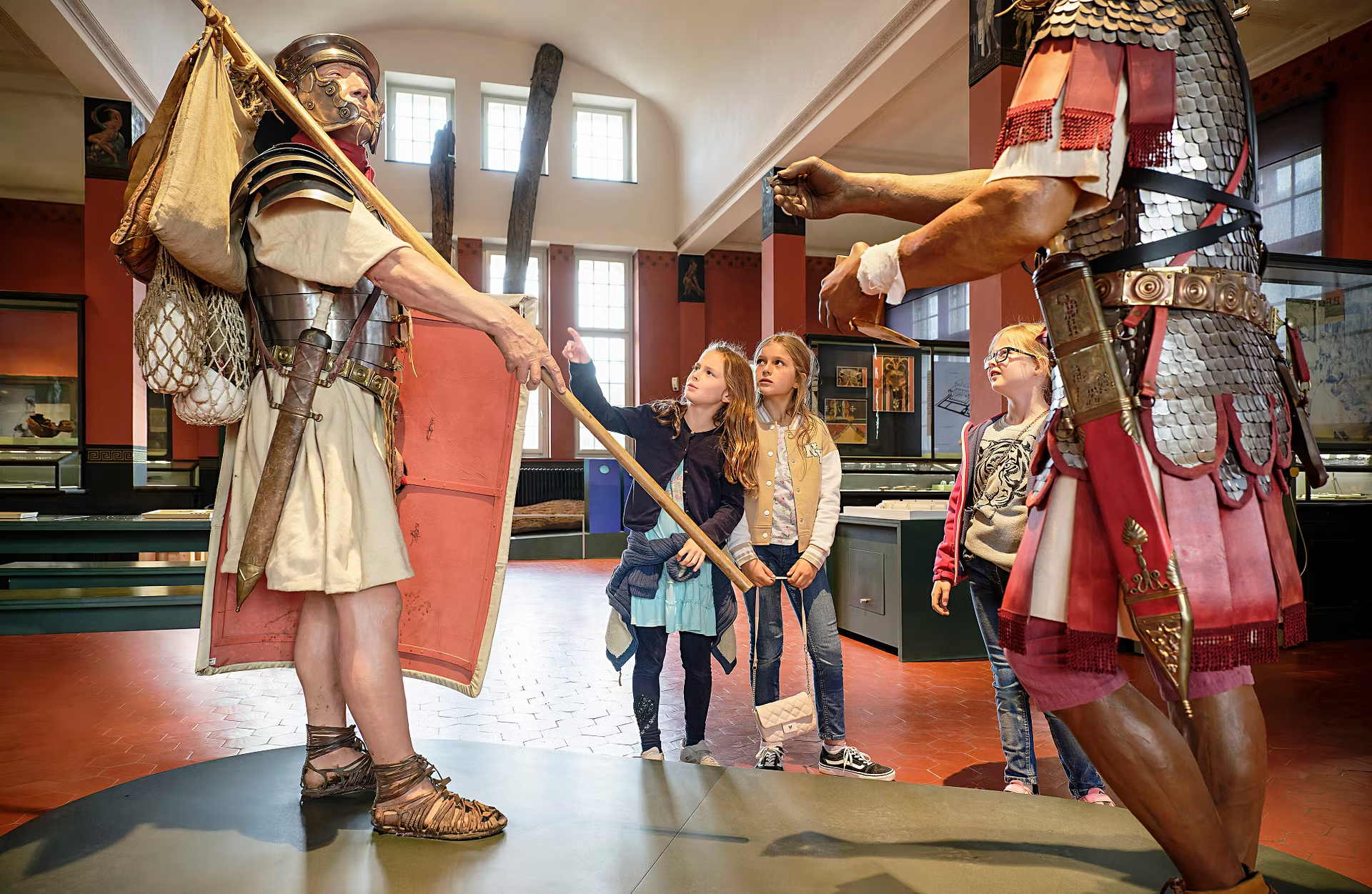
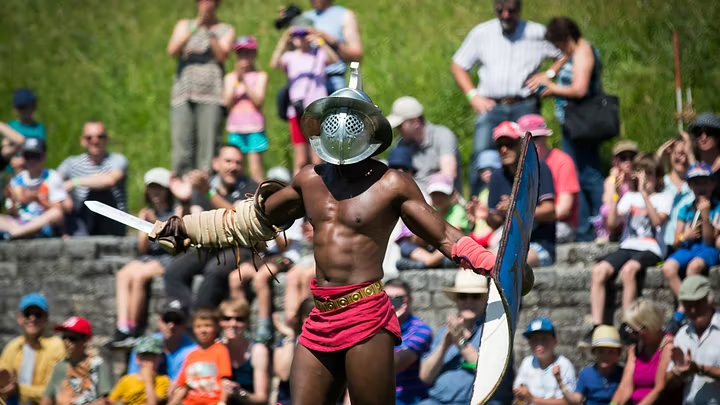
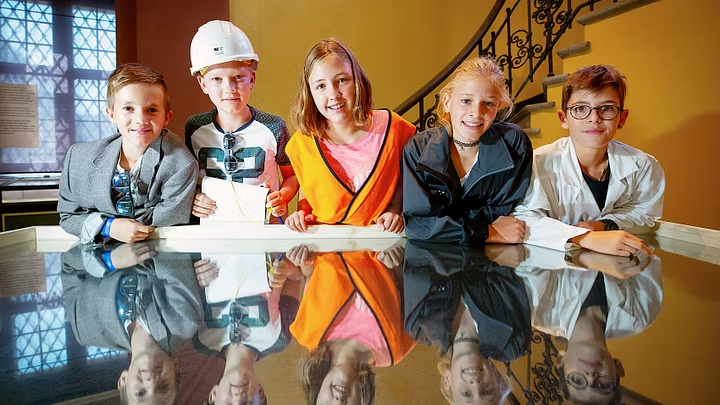
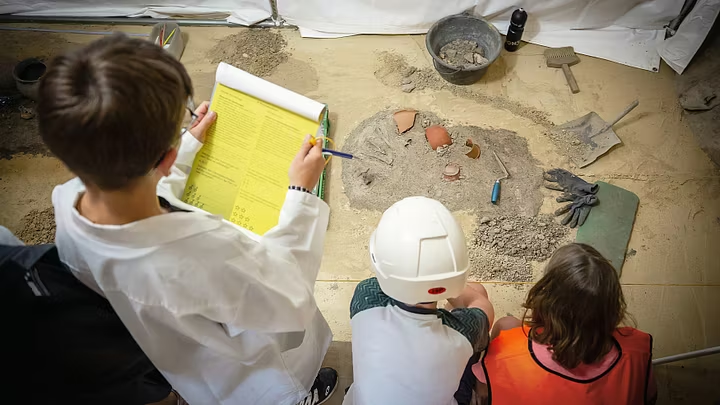
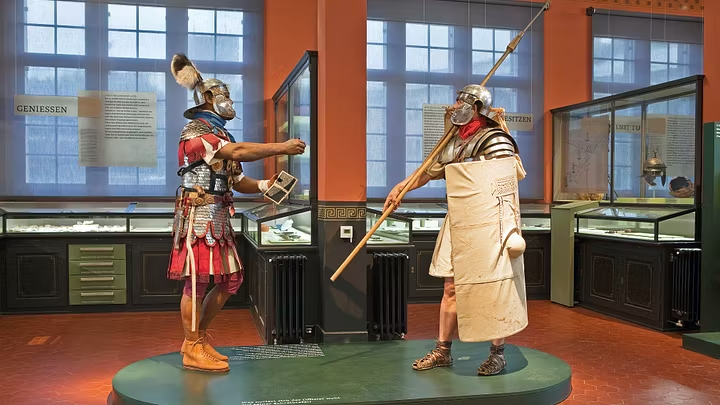
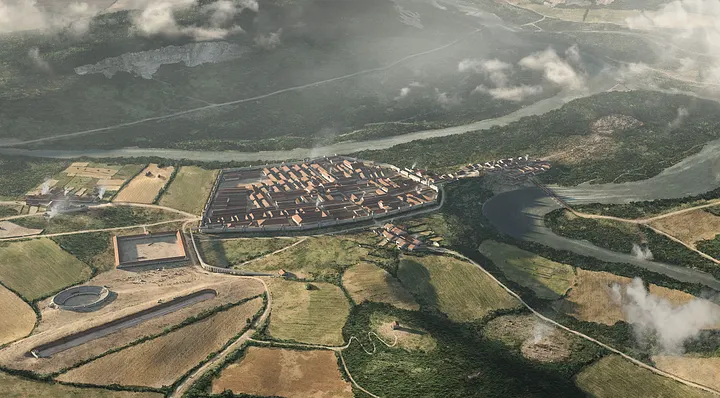
An excursion to the Vindonissa Legionary Trail is packed with highlights for groups. Some of the offers can be booked in English on request. Swap your jeans for a Roman tunic and follow the legionaries on a journey back to ancient times. In addition to self-guided tours of the Roman sites , the Vindonissa Legionary Trail offers fascinating guided tours, workshops and other offers for groups. Explore 2,000 years of history at Vindonissa, watch and listen as you are transported back into the lives of the legionaries and their officers. The Vindonissa Legionary Trail offers one tour in English (see
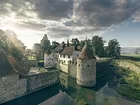
Hallwyl Castle rents out rooms for weddings, celebrations and events: get married in a moated castle, celebrate your birthday in a historical ambience or host a drinks reception in the castle courtyard. The historic rooms and courtyard of Hallwyl Castle are the ideal location for parties and events for up to 110 people, from small drinks receptions and company parties to castle weddings. Rooms for hire (in German) Contact +41 (0)848 871 200 Send a message Telephone availability: Tuesday to Friday 9 am - 12 pm / 1 pm - 4:30 pm November to March only in the morning Impressions
Opening hours 1 April to 1 November 2026 Monday* closed Tuesday, Wednesday, Thursday, Friday 9 am – 5 pm Saturday, Sunday, public holidays* 10 am – 6 pm * Open on the following public holidays: Easter (Good Friday, Easter Sunday and Easter Monday), Whitsun (Whit Sunday and Whit Monday), Ascension Day, National Holiday (August 1) Entrance fees Vindonissa Legionary Trail Ticket Category p.P. from 10 p. Adults CHF 14 CHF 10 Vocational trainees and students (up to age 26) CHF 10 CHF 9 Children (6–16 years) CHF 8 CHF 6 Family ticket A (2 adults + max. 5 children) CHF 35 - Family ticket B (1 adult +
Opening hours: castle, garden and bistro 1 April to 1 November 2026 Monday closed Tuesday – Sunday, public holidays* 10 am – 5 pm * Open on the following public holidays: Easter (Good Friday, Easter Sunday and Easter Monday), Whitsun (Whit Sunday and Whit Monday), Ascension Day, National Holiday (August 1) Entrance fees Whole castle complex Category p.P. from 10 p. Adults CHF 14 CHF 10 Vocational trainees and students (up to age 26) CHF 10 CHF 8 Children (6–16 years) CHF 8 CHF 4 Family ticket A (2 adults + max. 5 children) CHF 35 - Family ticket B (1 adult + max. 5 children) CHF 25 - Schools
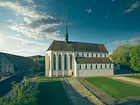
Opening hours Opening hours of the museum (with admission fee) Opening hours of the museum with monks' church (part of the abbey church), cloister, parlatorium, auditorium and puzzle tour of the abbey. 1 April to 1 November 2026 Monday* closed Tuesday – Saturday 10 am – 5 pm Sunday and holidays** 10 am – 5 pm (abbey church open from 12 midday) *Also open on Monday (10 am – 5 pm): abbey church **The museum is also open on the following holidays: Easter (Good Friday, Easter Sunday and Easter Monday), Pentecost (Whit Sunday and Whit Monday), Ascension Day and Swiss National Day (1 August) Important
The Museum Aargau Collection has been assembled from various holdings since 1830. It consists of bequests from Aargau's castles and monasteries, numerous donations, objects acquired from company archives and targeted purchases. The Collection is constantly being expanded and documents Aargau's history in tangible form through objects that can be experienced. Collecting, preserving, researching Collecting, preserving and researching objects are among the core tasks of a museum. A collection strategy defines the criteria according to which objects are collected. When an object is added to the Collection
7 out of 20
Vindonissa Museum
Roman Finds from 100 Years of Research
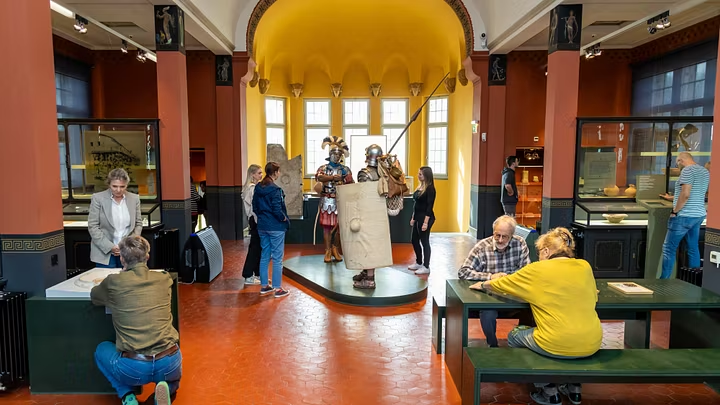
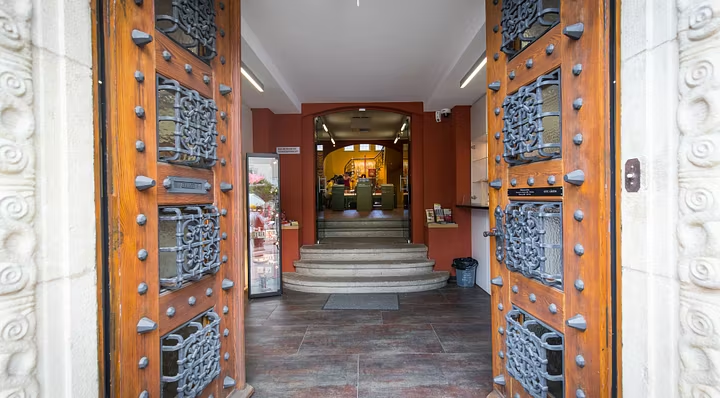
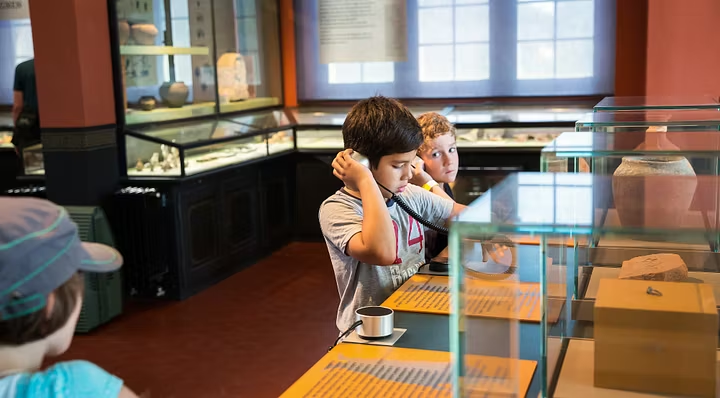
Enjoy an interactive experience of the ancient world! The Vindonissa Museum in Brugg shows the most important finds from Vindonissa, the only Roman legionary camp on the territory of present-day Switzerland.