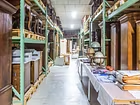
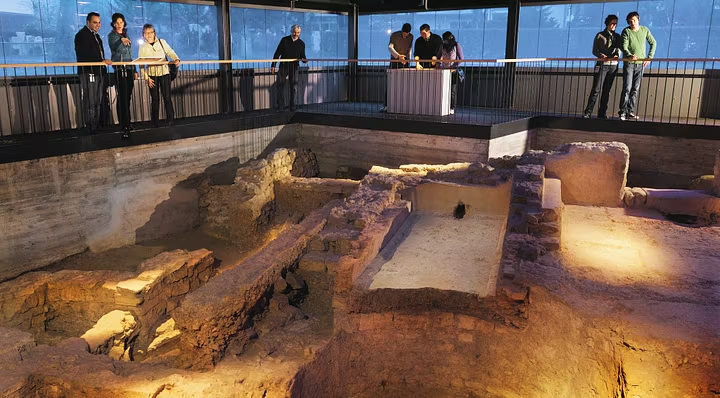
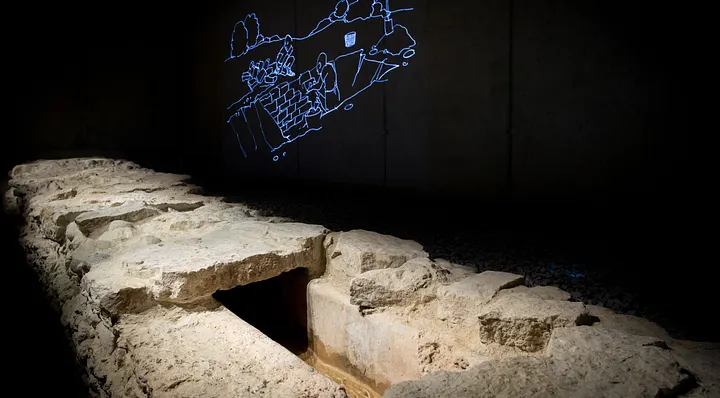
The Museum Aargau Collection has been assembled from various holdings since 1830. It consists of bequests from Aargau's castles and monasteries, numerous donations, objects acquired from company archives and targeted purchases. The Collection is constantly being expanded and documents Aargau's history in tangible form through objects that can be experienced. Collecting, preserving, researching Collecting, preserving and researching objects are among the core tasks of a museum. A collection strategy defines the criteria according to which objects are collected. When an object is added to the Collection
Königsfelden convent church was once the centrepiece of a large, substantial double monastery resided in by the mendicant orders of the Franciscans and the Clarists. Not only did the lives of the monks and nuns revolve around it, it was also planned as a place of commemoration for the murdered King Albrecht and the Habsburg dynasty. The convent church The Habsburg Queen Elisabeth of Carinthia, Gorizia and Tyrol founded Königsfelden Abbey more than 700 years ago. She did so in response to the murder of her husband, King Albrecht I of Habsburg, in the year 1308. The Abbey was built as a place of
A place of commemoration for the Habsburg family was created at the scene of King Albrecht I's murder. The stained glass windows of the church of Königsfelden Abbey reflect the very highest level of craftsmanship at the time and contributed to the renown of the monastery as a whole. Created between 1320 and 1360, the windows are among the most outstanding specimens of European stained glass in the Late Middle Ages. The window cycle The chancel windows were donated by family members of the murdered King Albrecht I such as his wife Elisabeth, his daughter Agnes and his sons. Their images are to
The Museum Aargau Collection has been assembled from various holdings since 1830. It consists of bequests from Aargau's castles and monasteries, numerous donations, objects acquired from company archives and targeted purchases. The Collection is constantly being expanded and documents Aargau's history in tangible form through objects that can be experienced. Collecting, preserving, researching Collecting, preserving and researching objects are among the core tasks of a museum. A collection strategy defines the criteria according to which objects are collected. When an object is added to the Collection
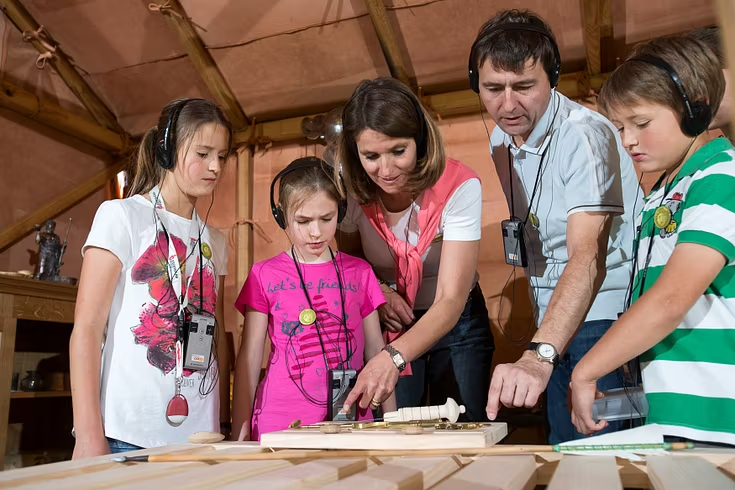
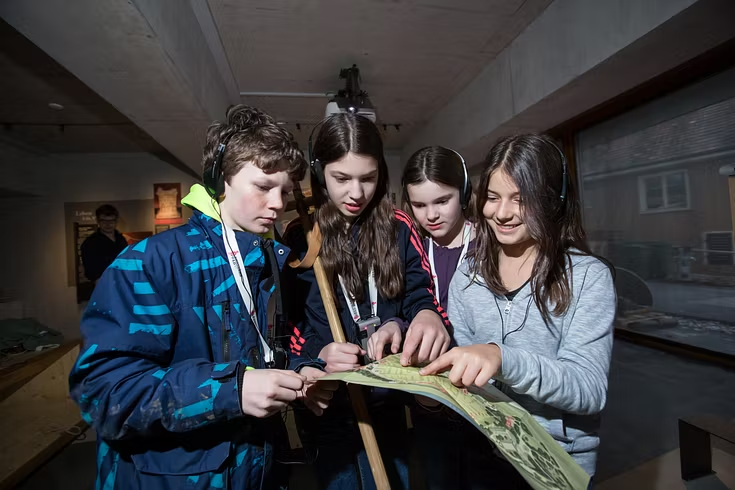
Wettingen Abbey offers great attractions for children and families: discover secret corners and solve the mystery of an incident in the year 1762. Offers for children (in German) Opening hours 1 April to 1 November 2026 Tue – Sun, holidays: 10 am – 5 pm Mon: closed
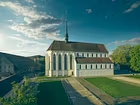
Wettingen Abbey church is divided by an imposing rood screen into a spiritual and a secular area: The converse church (rear part of the nave) was already open to the public when the abbey still existed. The red-brown rood screen, with its magnificent altars and paintings, provides a ceremonial setting for church services, concerts or weddings. The monks' church (front section of the nave) was reserved for the monks and clergy. The abbey church can be visited freely, and church services are held here regularly. The monks' church is part of the museum (admission fee payable). For more information,
Getting here Arriving by car Visitors with limited mobility can drive up to the abbey complex (Klosterstrasse). However, there are no parking spaces available here. We kindly ask you to park your car in the general parking lot (P+Rail facility at Wettingen train station, 5 minutes’ walk from the abbey). Above the abbey there are also a small number of parking spaces for disabled persons. Getting here Arriving by train and bus Wettingen Abbey is well connected by public transport (for bus and train connections see Getting here ). The abbey is about 400 metres from Wettingen train station. The
How to find Wettingen Abbey Address Museum Aargau Klosterhalbinsel Wettingen (Wettingen Abbey) Klosterstrasse 10 5430 Wettingen Tel. 0848 871 200 Contact Getting here by public transport and car Getting here by train and bus Wettingen Abbey is well served by public transport. For larger events in particular, we recommend travelling by train and bus. Train and bus connections SBB direct trains run from Zurich main station, Olten, Aarau and Baden to Wettingen. From Wettingen station you can reach the abbey on foot in 5 minutes. The signposted path runs through the station underpass towards the south-west
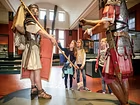
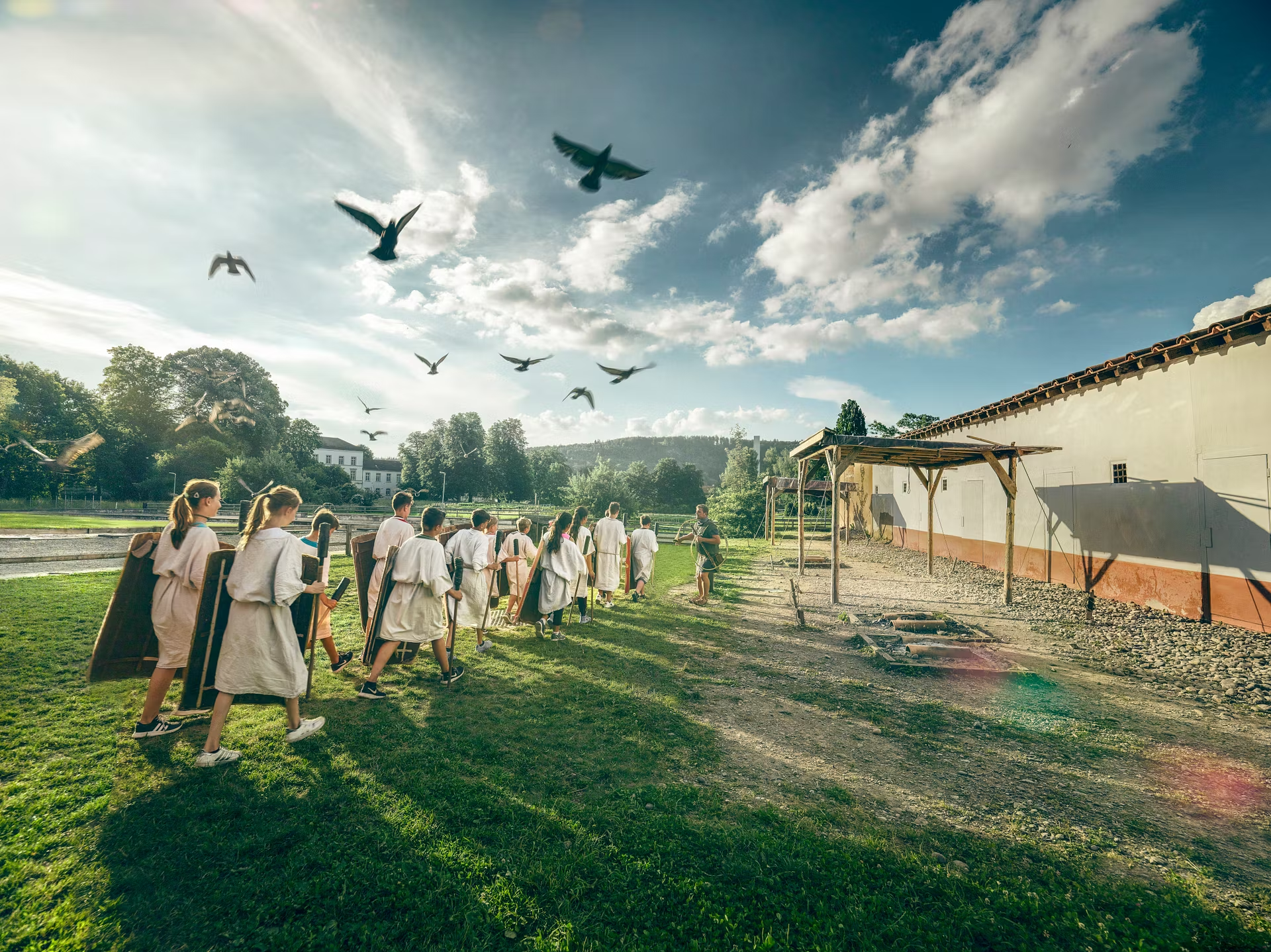
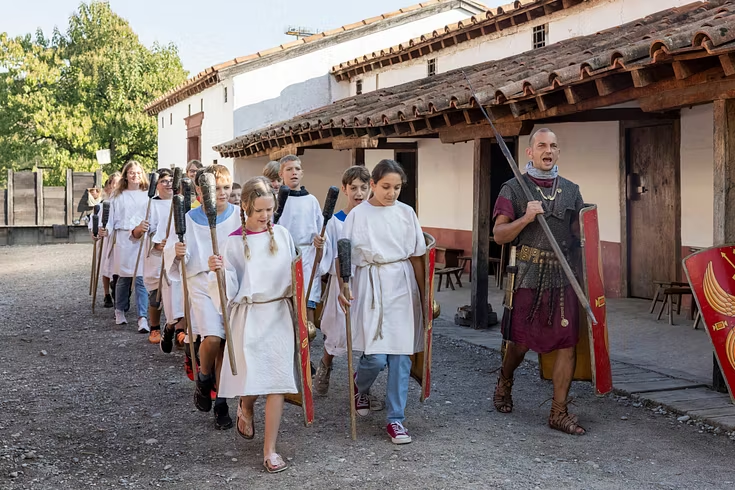
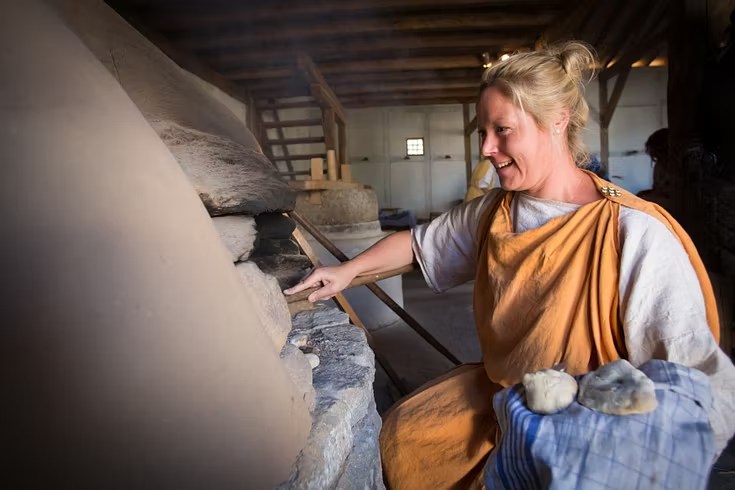
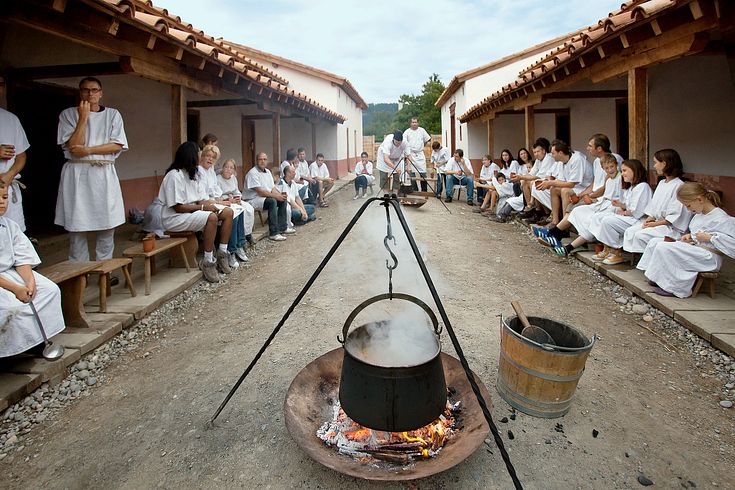
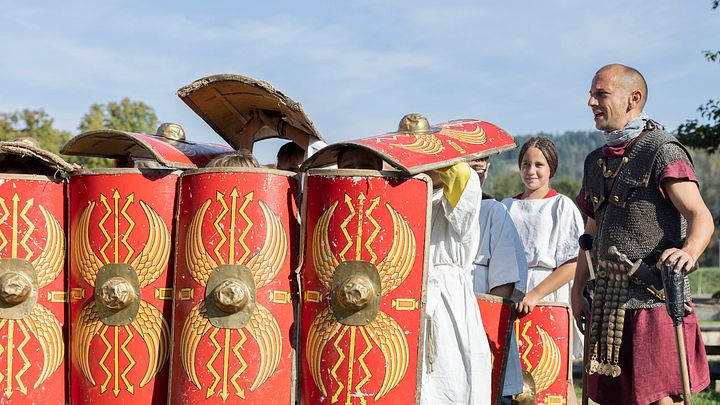
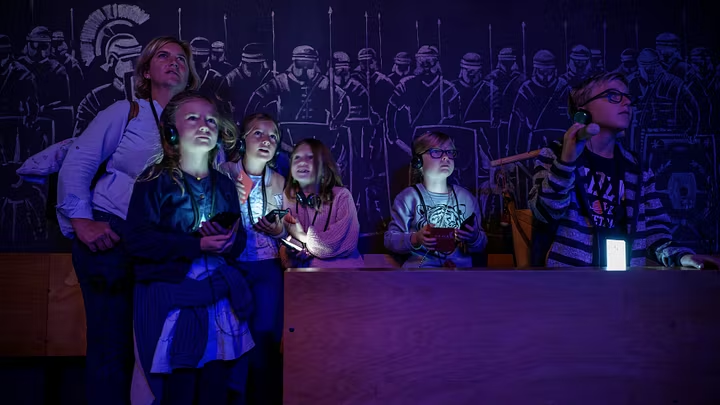
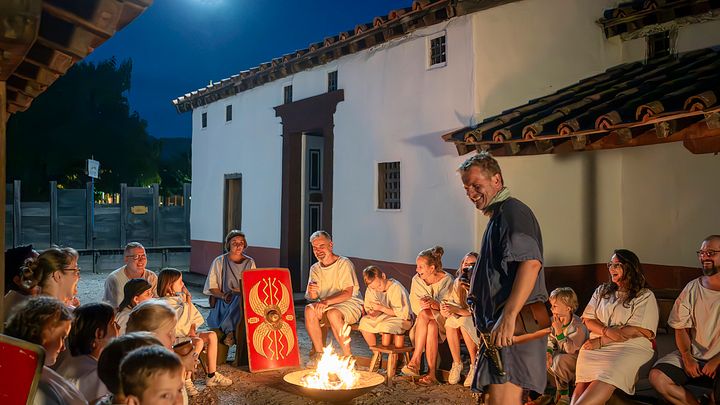
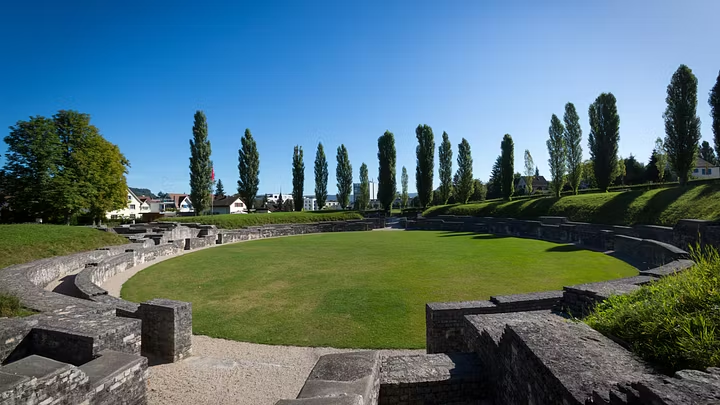
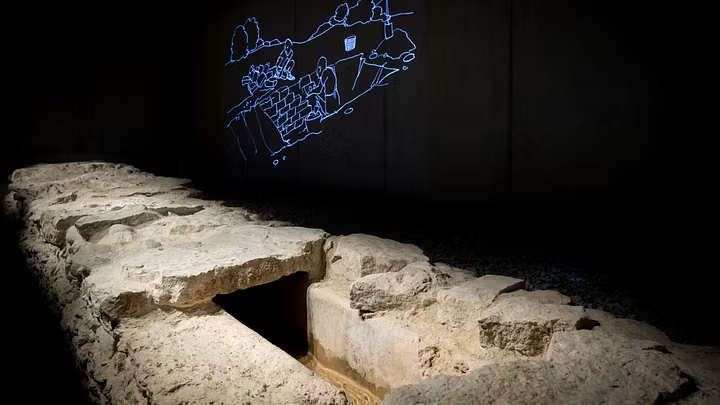
Immerse yourself in the world of Switzerland's only Roman legionary camp on the Vindonissa Legionary Trail! The Roman adventure park offers tours, a chance to spend the night in Roman-style accommodation, guided tours, events and much more.