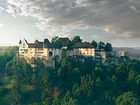
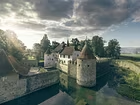
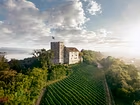
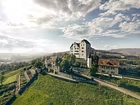
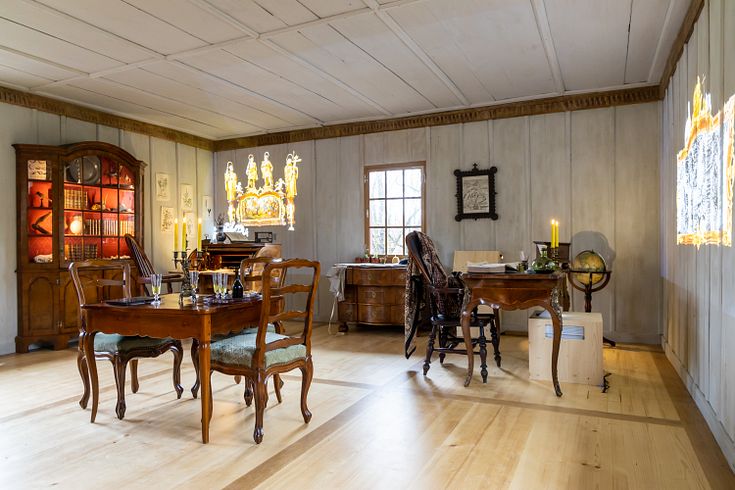
Permanent exhibition Admission Museum entrance fee The museum of domestic life and prison reveal the lives of lords, rogues and scoundrels. The museum of domestic life and prison of Lenzburg Castle reveal the lives of lords, rogues and scoundrels. Come and explore! Domestic life museum: how lords and ladies lived In the museum of domestic life it feels as if the lords and masters had just left Lenzburg Castle. Filled with original furniture, it provides an insight into the different eras in which the castle was inhabited. In the late medieval kitchen, for example, you can look into the cooking pots, smell the exquisite spices or inspect the kitchen utensils of the time. You'll enter impressive rooms from the 18th century with hand-printed fabric wallpaper all around and a matching tiled stove. The bathroom with its golden taps bears witness to the luxurious life of the industrialist's wife Lady Mildred, who lived in the castle with her husband Augustus Edward Jessup from 1893 until the 20th century. Many other rooms display exquisite objects and give an impression of how the inhabitants of Lenzburg Castle have lived over the centuries. Prison: where rogues and crooks ended up The prison, by contrast, is cold and damp. Enter an original preserved cell from the 17th century and decipher the inscriptions carved into the wood by prisoners. Instruments of torture such as thumbscrews show the methods used in the penal system at that time. The execution sword, with which rogue king Bernhard Matter was the last person to be executed in Aargau in 1854, has been preserved in its original form. Domestic life museum and prison. Exhibition at Lenzburg Castle. The museum of domestic life and prison reveal the lives of lords, rogues and scoundrels.
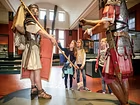
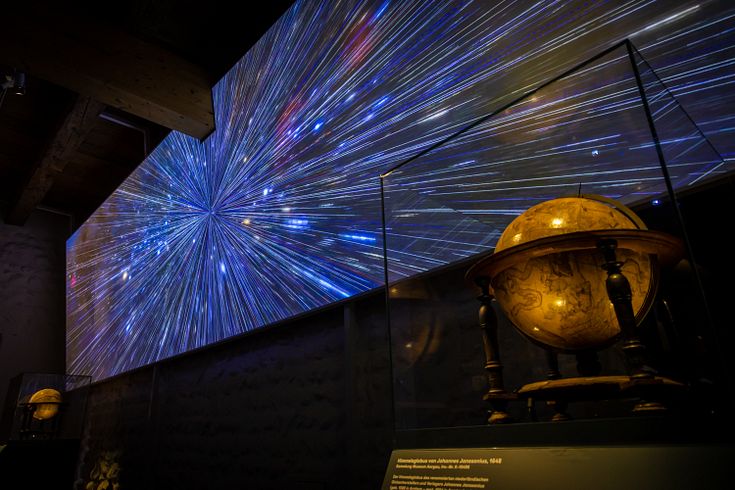
Permanent exhibition Admission Museum entrance fee The "Knighthood and Nobility" exhibition focuses on the Middle Ages. Medieval fans will find plenty to interest them in the "Knighthood and Nobility" exhibition: discover how three great Swiss noble families organised their rule and the legacy they left behind. From the 11th to the 15th century, the Lenzburgs, Kyburgs and Habsburgs ruled Lenzburg Castle. This 400-year history of rule is presented in the residential and south tower, the oldest part of the castle. Audiovisual shadow plays show how the three great noble families fought out conflicts, who played what role in the empire, and how they organised their dominion. Visitors can learn how noble youths were prepared for their future task as rulers, how they learned to handle weapons while hunting, and how they participated in the cultural life at court. Selected original objects bear witness to an eventful time. Knighthood and Nobility. Permanent exhibition at Lenzburg Castle. The "Knighthood and Nobility" exhibition focuses on the Middle Ages.
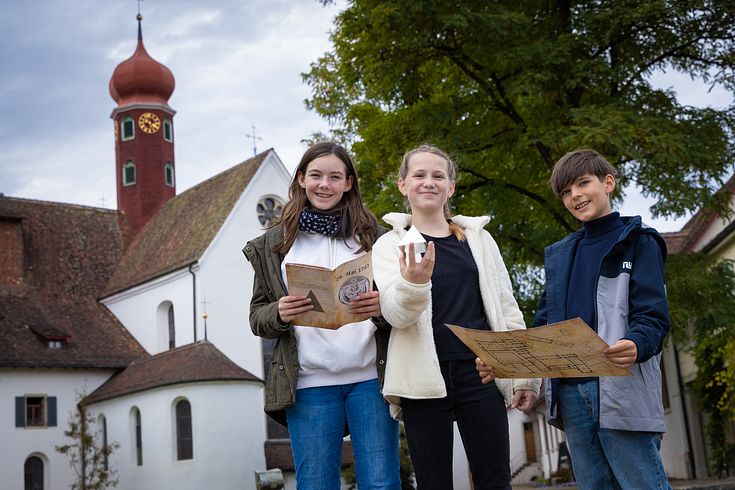
Permanent exhibition Admission Museum entrance fee Visit Fauchi, the castle dragon! What would Lenzburg Castle be without Fauchi! The castle dragon is loved by all young visitors. At the dragon research station you can find out all about the castle's legendary inhabitant. Fauchi: are you brave enough? Anyone with enough courage can visit the castle dragon Fauchi at Lenzburg Castle. Enter his dark cave full of hissing, smoke and ominous rumbling. It's an unforgettable experience for castle visitors of all ages! According to legend, the castle dragon Fauchi hatched from a dragon egg many years ago on the castle hill. He is far less frightening than his ancestors, but meeting him can still be a little scary! Dragon research station If you want to know what the legendary dragon likes, how he lives, what his dragon skin feels like or how long his claws are before you visit Fauchi, the dragon research station is the place to go. There, young researchers can examine a collection of teeth, claws and bones, learn about the different types of dragons, and discover the secret of Fauchi's origins. Fauchi and the dragon research station. Exhibition on Lenzburg Castle. Visit Fauchi, the castle dragon!
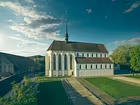
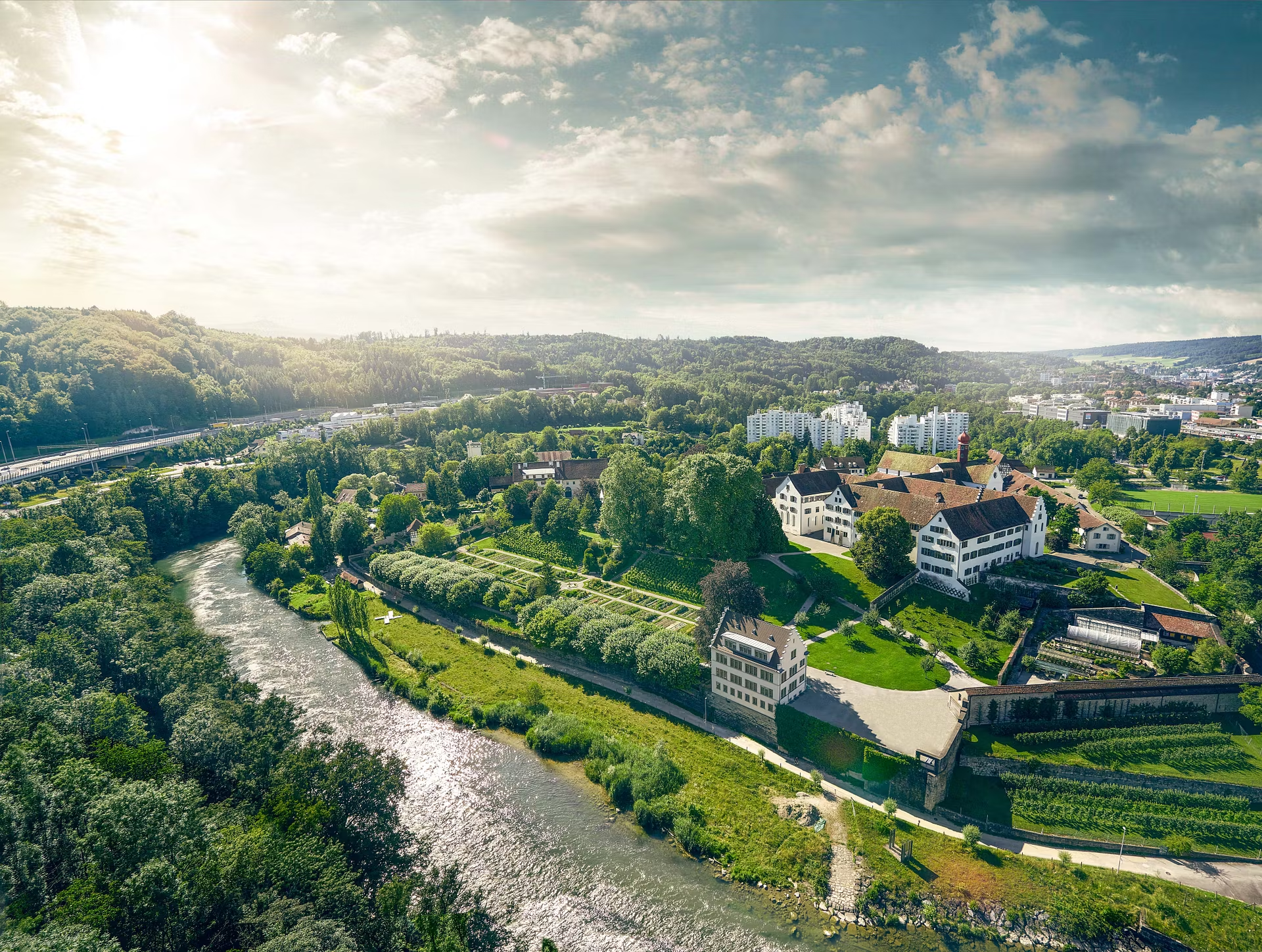
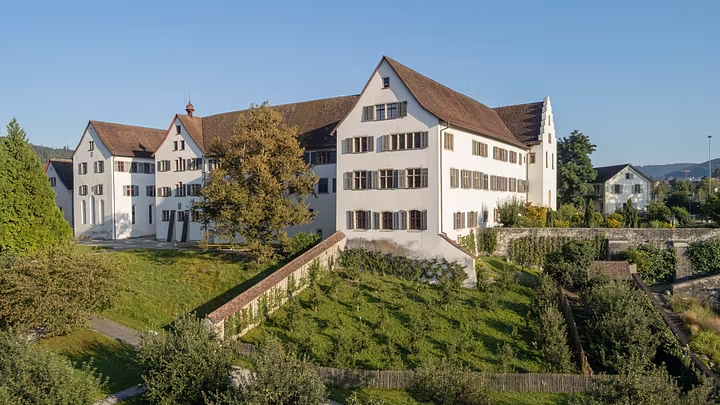
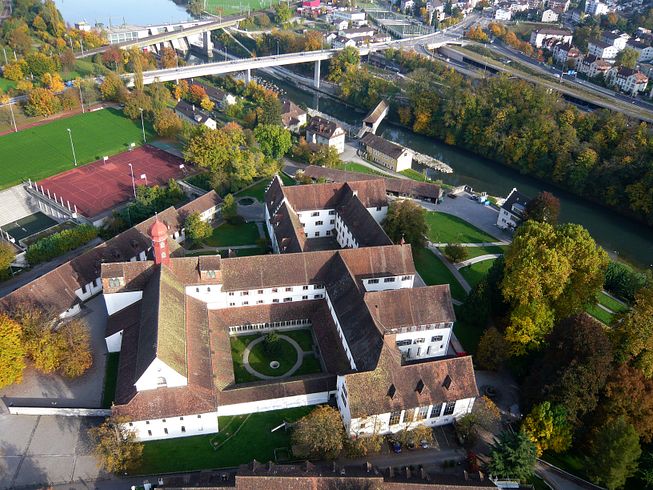
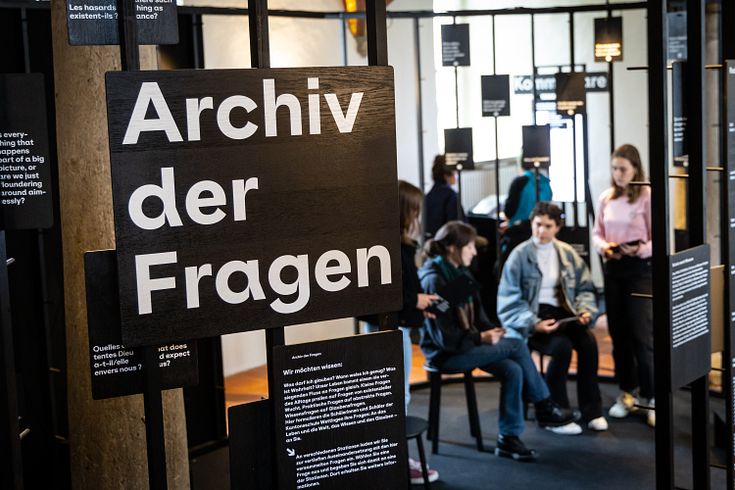
Permanent exhibition Admission Entrance free 0 Stately summer residence The stately abbot's house is situated to the south-west of the abbey, near the river Limmat. You can reach it by walking from the north through the front garden, which has been laid out in the traditional style. Built in 1726 by Abbot Alberich Beusch, the abbot's house served as a summer residence for him and his successors and as a place to receive guests. On the upper floor of the abbot's house, you'll find yourself in a charming living and study area, furnished with period pieces. An animated film projected onto the panelled walls transports you back to the time of Abbot Peter Kälin in the mid-18th century. On the south side of the abbot's house, the abbot's garden slopes down towards the Limmat in a series of three terraces. A central flight of steps leads down into the terraces, which feature ornamental flowerbeds and a fountain. The stately abbot's house at Wettingen Abbey served as a summer residence.
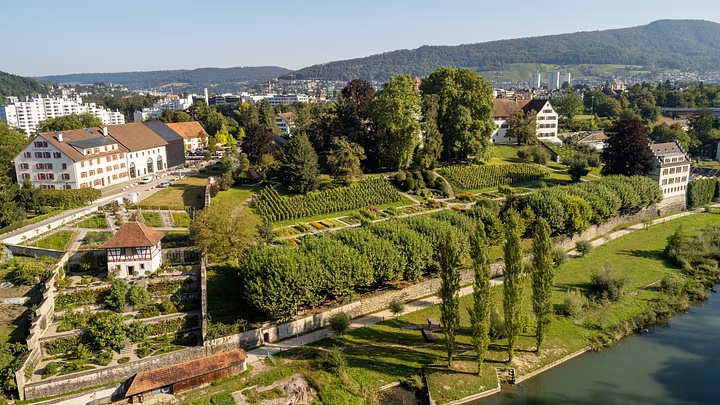
Admission Free of charge Stately summer residence of the head of the abbey Stroll through the abbot's garden at Wettingen Abbey, and imagine how the abbot once received his guests here. The garden extends over three terraces. Stone steps, walls, perennial beds and trellises give the "Gnädig-Herren-Garten" (as it is also called in Wettingen sources) a Mediterranean flair. The abbot's garden (or prelate's garden) was moved several times in the history of the abbey. At one time it was even located on the small island in the Limmat, until it was laid out at its present location as the garden of the abbot's house at the beginning of the 18th century. As the summer residence of the head of the abbey, the garden served as a place to receive visitors. Abbot's garden on Wettingen Abbey. Stately summer residence of the head of the abbey.
Wildegg Castle
Living history museum and ancestral portrait gallery
Permanent exhibition Admission Museum entrance fee Former castle residents are waiting to chat with visitors! Wildegg Castle is the castle of talking portraits: in the ancestral portrait gallery and the living history museum, former castle residents are waiting to chat with visitors. They include Julie von Effinger, the last owner of Wildegg Castle, who recounts anecdotes from her everyday life. Throughout the castle, large portraits of the von Effinger family come to life and tell of the past in a lively and entertaining way. An impressive living history museum With its more than 30 beautifully furnished rooms, Wildegg Castle offers a fascinating insight into the lives of the nobility and their servants. The banqueting hall, salon and dining room – complete with tables set for meals – state rooms as well as the kitchens and maids' quarters – as described by Sophie von Erlach-Effinger in the castle chronicle – can all be visited. You can also explore the narrow confines of the servants' rooms under the roof, visit the maid in the entrance hall, or sit on the windowsill like Julie von Effinger and gaze into the magnificent palace garden. Exhibition on Wildegg Castle: Living history museum and ancestral portrait gallery. Former castle residents are waiting to chat with visitors!
Rose garden Admission Entrance free A major attraction for rose lovers The rose garden of Wildegg Castle is a major attraction for rose lovers. Numerous historical roses with rose arches, as well as English roses and hybrid tea roses, can be found here. Laid out in around 1830 it's a magnificent sight, especially during the main flowering period in June, replete with carefully tended, historical and rare roses. For weddings, the rose garden is a popular backdrop for photo shoots. It's also the perfect place to sit on a bench and read a gripping detective story. The small park near the historic wine cellar has been maintained free of charge for many years by the Aargau Regional Group of the Society of Swiss Rose Enthusiasts. Rose garden on Wildegg Castle: A major attraction for rose lovers!
Permanent exhibition Price Museum/garden admission 0 Nine interactive stations about viticulture The Wildegg Castle vineyard trail tells the story of the hard but rewarding work of winegrowers in centuries past. At nine interactive stations, built from old wine barrels, visitors discover the challenges of winegrowing: from tending the vines in winter to the dangers posed by weather, pests and diseases, right through to the grape harvest in autumn. Special attention is paid to the Effinger family, who used viticulture as their economic basis for centuries. Rebpfad Schoss Wildegg: Ausstellung über Weinbau
Permanent exhibition Admission Museum entrance fee Saddle up the horses in the stables! Wildegg Castle is a paradise for families: children can play and paint in the castle barn, or saddle up the horses in the stables! Children's area: books, games and billiards There's never a dull moment in the children's area at Wildegg Castle! Here, kids can dress up as knights, set the table in the children's castle, browse through books on the elegant sofa or try out old games. They can even play a game of billiards – just as the residents of Wildegg Castle once did. Stables: saddle up the horses! In the old stables, Albert von Effinger talks to his favourite horse, while his hunting dog gives a running commentary! The wooden horses are waiting to be fed and groomed. In this exhibition, children learn what horses like to eat, how they were used in the past – and can even meet a talking horse. Sit side-saddle yourself, climb aboard the carriage, or race for the finishing line as a jockey! Exhibition on Wildegg Castle: Children's area and stables. Saddle up the horses in the stables!
Permanent exhibition Admission Museum entrance fee Stroke a wild boar! Stroke a wild boar and find out how the lords of Wildegg hunted with birds of prey and dogs around 1800. In the Jagd & Wild (Hunting & Game) exhibition you'll walk through the woods and stand amidst their animal inhabitants. You'll also learn which animals and tools were helpful to hunters, discover on a map where the hunting ground was located, and marvel at the many trophies that the Effingers brought home. In the lifelike hunting and game exhibition, Sigmund Effinger himself talks about his passion. His talking portrait explains why hunting was a privilege of the nobility and how everything changed in 1798. Exhibition "Hunting an game" on Wildegg Castle. Stroke a wild boar!
2 out of 20
Wettingen Abbey
Faith, power, knowledge
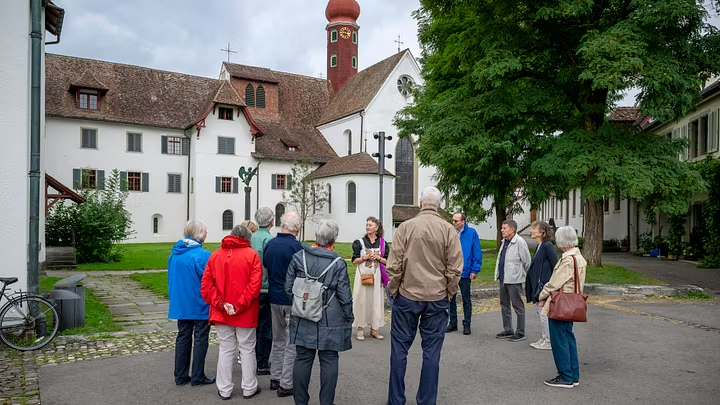
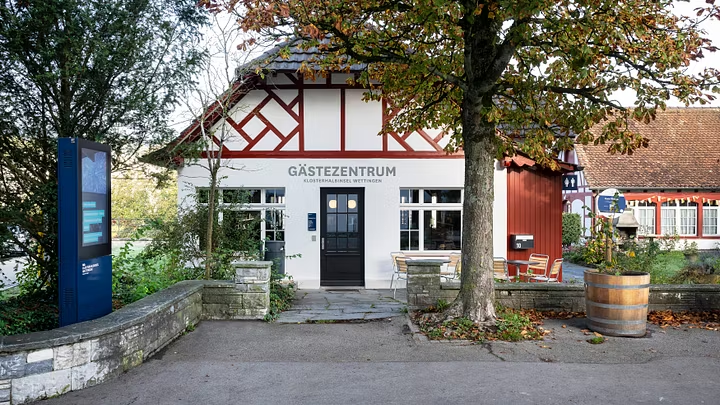
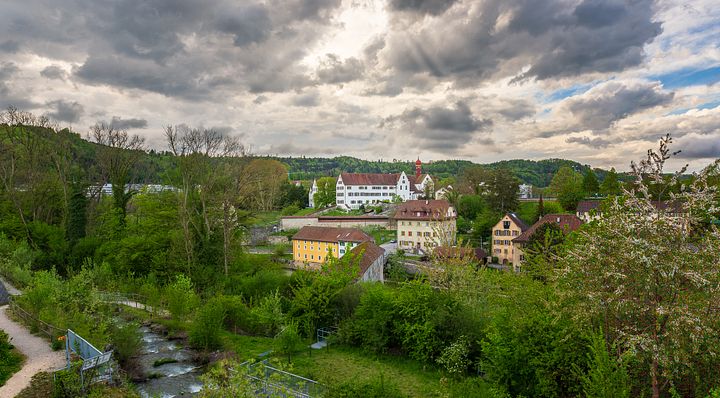
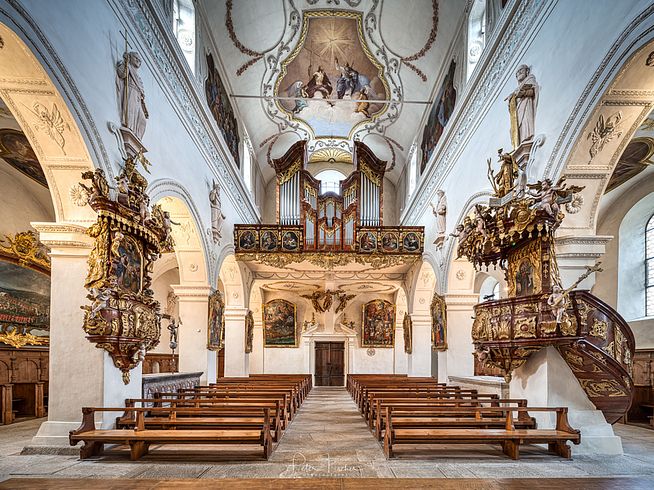
Wettingen Abbey is a cultural asset of international standing. Culture, education, history and hospitality merge into one experience at this power spot on the river Limmat.
PLEASE NOTE: VISIT ON 5 SEPTEMBER 2026
On Saturday, 5 September 2026, a major event organised by the Cantonal School will take place at Wettingen Abbey. The museum, including the abbey church, will be open to visitors as usual, but visitors should expect some restrictions.