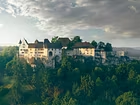
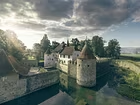
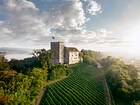
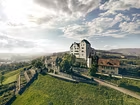
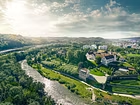
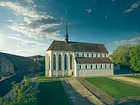
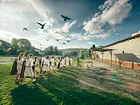
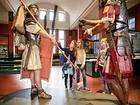
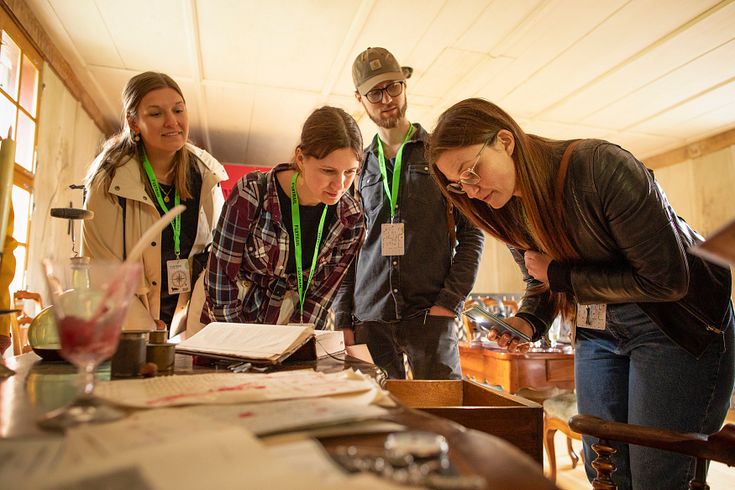
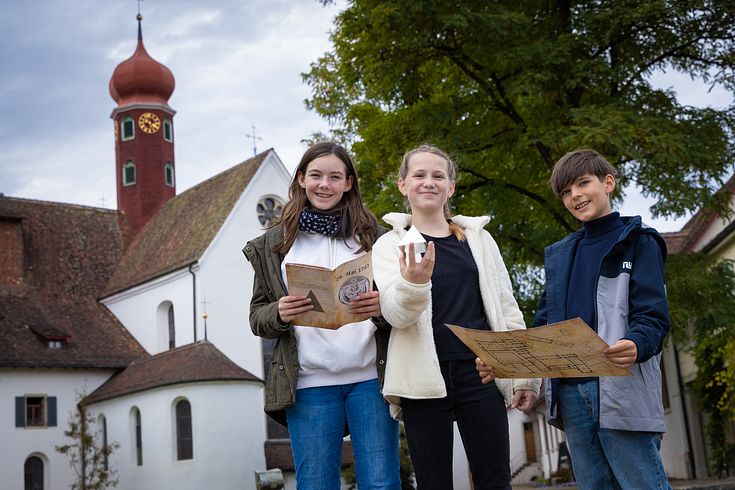
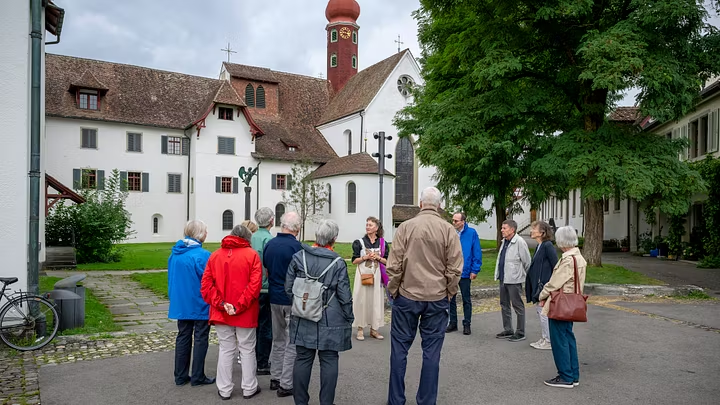
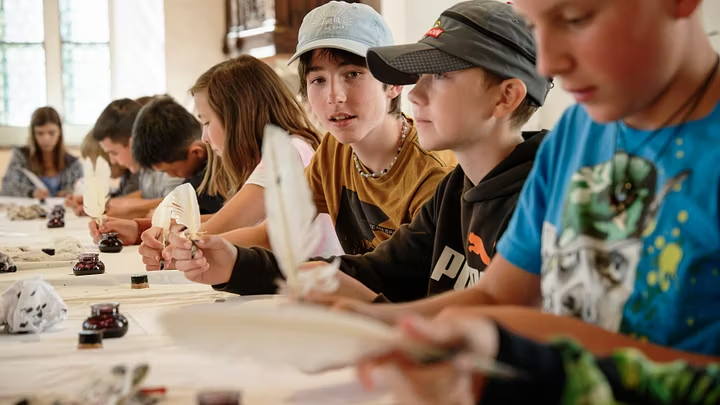
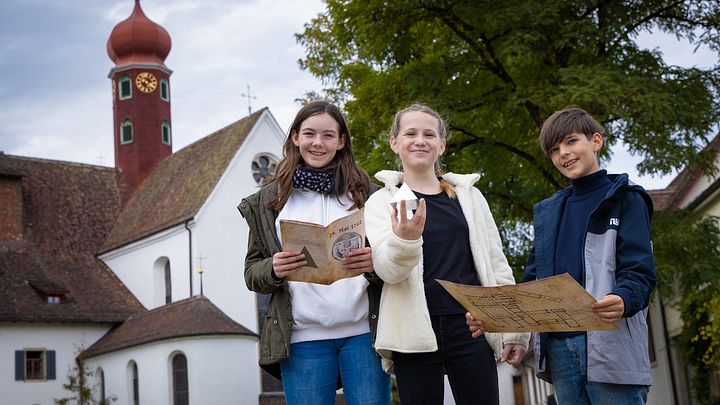
Lenzburg Castle offers guided tours and workshops for groups. These can also be booked in English on request. Experience Lenzburg Castle in a group. Museum Aargau offers numerous guided tours and workshops, which are also available in English on request. The focus of the history lessons is on the Middle Ages and the early modern period. Offers for groups (in German) Contact +41 (0)848 871 200 Send a message Telephone availability: Tuesday to Friday 9 am - 12 pm / 1 pm - 4:30 pm November to March only in the morning Impressions
Children's museum and PLIRRK! Admission Museum entrance fee Notice The craft area closes at 4.30 pm. Children must be supervised. The paradise for knights and princesses! Children's museum The children's museum is located right up in the attic of Lenzburg Castle. There are lots of secret nooks and crannies, hidden staircases and oriels to explore. Children can dress up as knights or princesses, chase around the corridors and practise handicrafts and painting to their heart's content. Children's exhibition PLIRRK In the children's exhibition PLIRRK!, kids can immerse themselves in the world of explorers. They'll learn from the castle's last inhabitant, polar explorer Lincoln Ellsworth, about the hardships he had to endure on his 1925 North Pole expedition, and find out how to prevent vitamin deficiency on the high seas and navigate the open waters. The exhibition is made by children for children with financial support from the "Friends of Lenzburg" association. Fun and excitement guaranteed! Children's museum at Lenzburg Castle: The paradise for knights and princesses!
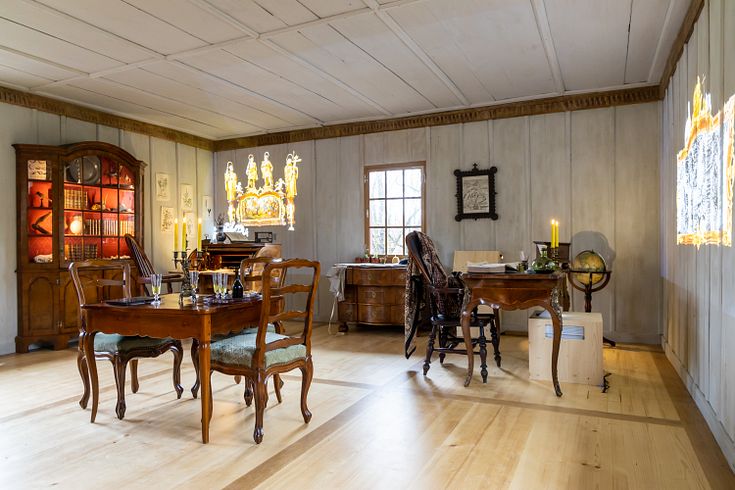
Permanent exhibition Admission Museum entrance fee The museum of domestic life and prison reveal the lives of lords, rogues and scoundrels. The museum of domestic life and prison of Lenzburg Castle reveal the lives of lords, rogues and scoundrels. Come and explore! Domestic life museum: how lords and ladies lived In the museum of domestic life it feels as if the lords and masters had just left Lenzburg Castle. Filled with original furniture, it provides an insight into the different eras in which the castle was inhabited. In the late medieval kitchen, for example, you can look into the cooking pots, smell the exquisite spices or inspect the kitchen utensils of the time. You'll enter impressive rooms from the 18th century with hand-printed fabric wallpaper all around and a matching tiled stove. The bathroom with its golden taps bears witness to the luxurious life of the industrialist's wife Lady Mildred, who lived in the castle with her husband Augustus Edward Jessup from 1893 until the 20th century. Many other rooms display exquisite objects and give an impression of how the inhabitants of Lenzburg Castle have lived over the centuries. Prison: where rogues and crooks ended up The prison, by contrast, is cold and damp. Enter an original preserved cell from the 17th century and decipher the inscriptions carved into the wood by prisoners. Instruments of torture such as thumbscrews show the methods used in the penal system at that time. The execution sword, with which rogue king Bernhard Matter was the last person to be executed in Aargau in 1854, has been preserved in its original form. Domestic life museum and prison. Exhibition at Lenzburg Castle. The museum of domestic life and prison reveal the lives of lords, rogues and scoundrels.
Permanent exhibition Admission Museum entrance fee The "Knighthood and Nobility" exhibition focuses on the Middle Ages. Medieval fans will find plenty to interest them in the "Knighthood and Nobility" exhibition: discover how three great Swiss noble families organised their rule and the legacy they left behind. From the 11th to the 15th century, the Lenzburgs, Kyburgs and Habsburgs ruled Lenzburg Castle. This 400-year history of rule is presented in the residential and south tower, the oldest part of the castle. Audiovisual shadow plays show how the three great noble families fought out conflicts, who played what role in the empire, and how they organised their dominion. Visitors can learn how noble youths were prepared for their future task as rulers, how they learned to handle weapons while hunting, and how they participated in the cultural life at court. Selected original objects bear witness to an eventful time. Knighthood and Nobility. Permanent exhibition at Lenzburg Castle. The "Knighthood and Nobility" exhibition focuses on the Middle Ages.
Permanent exhibition Admission Museum entrance fee Visit Fauchi, the castle dragon! What would Lenzburg Castle be without Fauchi! The castle dragon is loved by all young visitors. At the dragon research station you can find out all about the castle's legendary inhabitant. Fauchi: are you brave enough? Anyone with enough courage can visit the castle dragon Fauchi at Lenzburg Castle. Enter his dark cave full of hissing, smoke and ominous rumbling. It's an unforgettable experience for castle visitors of all ages! According to legend, the castle dragon Fauchi hatched from a dragon egg many years ago on the castle hill. He is far less frightening than his ancestors, but meeting him can still be a little scary! Dragon research station If you want to know what the legendary dragon likes, how he lives, what his dragon skin feels like or how long his claws are before you visit Fauchi, the dragon research station is the place to go. There, young researchers can examine a collection of teeth, claws and bones, learn about the different types of dragons, and discover the secret of Fauchi's origins. Fauchi and the dragon research station. Exhibition on Lenzburg Castle. Visit Fauchi, the castle dragon!
Lenzburg Castle offers guided tours and workshops for schools. These can also be booked in English on request. Experience Lenzburg Castle as a school class. Museum Aargau offers numerous guided tours and workshops, which are also available in English on request. The focus of the history lessons is on the Middle Ages and the early modern period. Offers for schools (in German) Contact +41 (0)848 871 200 Send a message Telephone availability: Tuesday to Friday 9 am - 12 pm / 1 pm - 4:30 pm November to March only in the morning Impressions
Getting here Arriving by car Visitors with reduced mobility can park at the rear entrance of the castle by appointment (follow the "Lieferanten/Behinderte" sign). From this entrance (ring the bell at "Museum Aargau") a lift leads to the castle courtyard. Please note: there are only a few parking spaces available at this entrance. We kindly ask you to leave your car in the general car park afterwards. There are no official parking spaces for people with reduced mobility. Getting here Arriving by bus and train Bus line 391 runs hourly between Lenzburg railway station and the castle (bus stop "Lenzburg, Schloss"). The journey time is eight minutes. The steep ascent from the bus stop at the castle car park to the castle grounds is not suitable for wheelchair users. Getting here Access to the castle General notes Due to the historical nature of the buildings, parts of the complex and larger exhibition areas can only be reached via stairs without a stair lift. Castle courtyard The yard is gravelled but wheelchair accessible. Museum and exhibition Wheelchair users: The exhibition rooms are not suitable for wheelchair users. Blind and visually impaired: The exhibition is not suitable for blind and visually impaired visitors. There is no Braille labelling. Hearing impaired: The exhibition does not have an induction loop system. People with intellectual disabilities: There are no labels in simple language. Museum and exhibition Toilet facilities There is a disabled WC in the "Ritterhaus" building (access via the courtyard). Further toilets are located in the courtyard and in the museum. Castle bistro The bistro is accessible for wheelchair users. Lenzburg Castle bistro
Directions to Lenzburg Castle Address Schloss Lenzburg – Museum Aargau 5600 Lenzburg Tel. 0848 871 200 Contact Arrival by public transport and car Arriving by train and bus Lenzburg Castle is well served by public transport. We recommend travelling by train and bus, especially for larger events . From Lenzburg railway station you can reach the castle on foot in 20 to 30 minutes. The signposted path leads through the picturesque old town up to the castle hill. Several bus lines run to the castle hill. The nearest bus stop is "Lenzburg, Schloss". This can be reached hourly by bus line 391 from Lenzburg railway station (8 minutes). The walk from the bus stop at the castle car park to the castle takes about 10 minutes (not suitable for wheelchair users ). To the SBB timetable Arriving by car Lenzburg Castle is only a few minutes away from the A1 motorway (Lenzburg exit). It is therefore easily accessible by car from Zurich (40 minutes) Basel (60 minutes) Bern (70 minutes) Lucerne (60 minutes) Calculate route with Google Maps Parking Parking spaces are available below the castle (parking fee). The walk to the castle takes about 10 minutes. There are no official parking spaces for people with reduced mobility. However, barrier-free access to the castle is possible by prior arrangement. Coach parking Parking spaces are available for coaches and other larger vehicles.
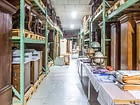
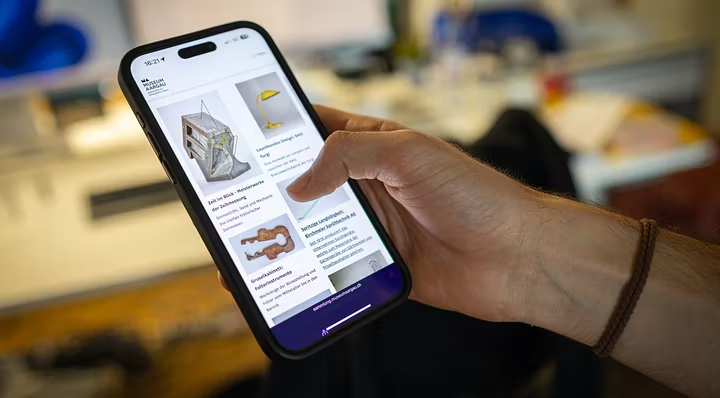
The Museum Aargau Collection has been assembled from various holdings since 1830. It consists of bequests from Aargau's castles and monasteries, numerous donations, objects acquired from company archives and targeted purchases. The Collection is constantly being expanded and documents Aargau's history in tangible form through objects that can be experienced. Collecting, preserving, researching Collecting, preserving and researching objects are among the core tasks of a museum. A collection strategy defines the criteria according to which objects are collected. When an object is added to the Collection, it is inventoried, documented and preserved for storage by experts. If necessary, it is restored. The objects thus form the basis for research and for exhibitions that use originals to make the past come alive. The items on show in the permanent and special exhibitions of Museum Aargau (including the castles) and other cultural institutions are a mere fraction of what is stored in the Egliswil Collection Centre. Numerous objects are waiting to be exhibited and shown off to the public in the coming years.
1 out of 2
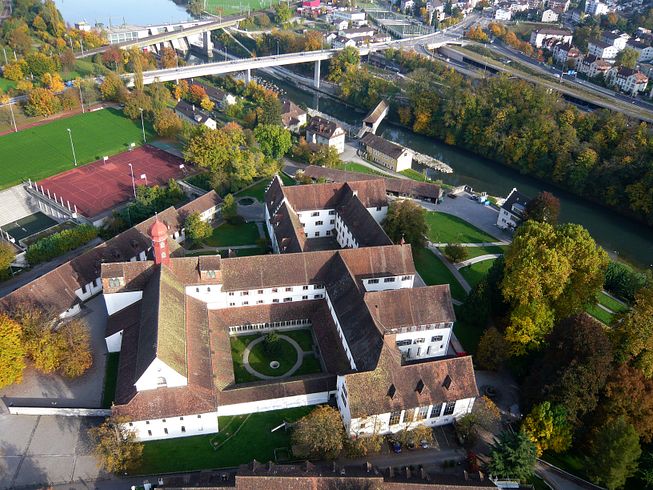
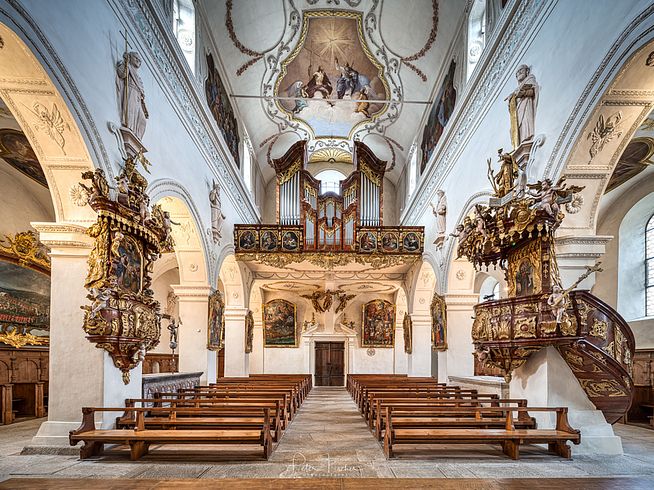
Wettingen Abbey
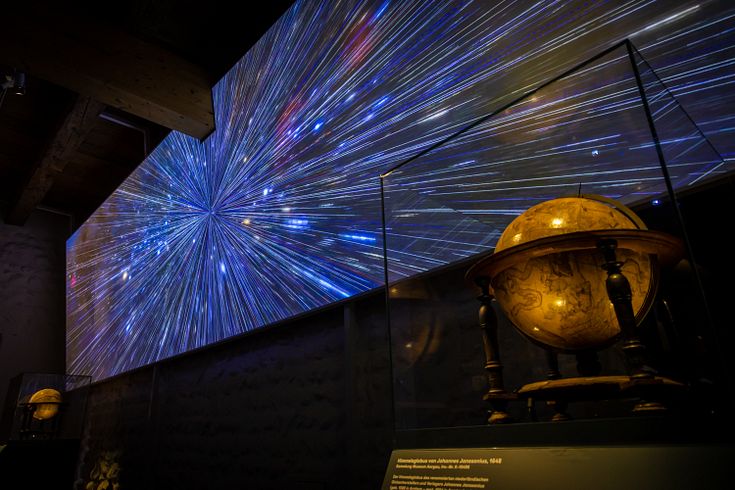
Faith, power, knowledge
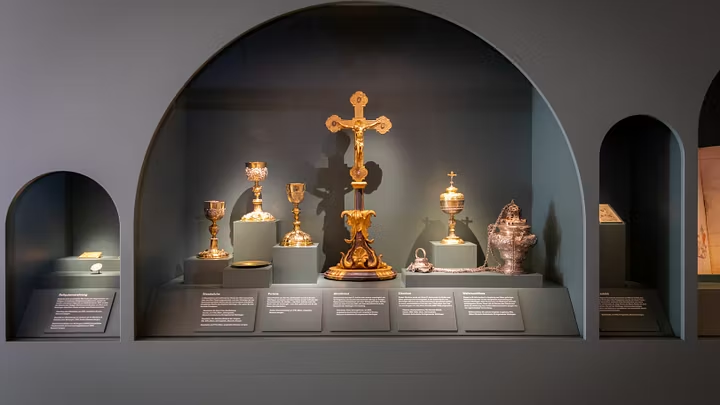
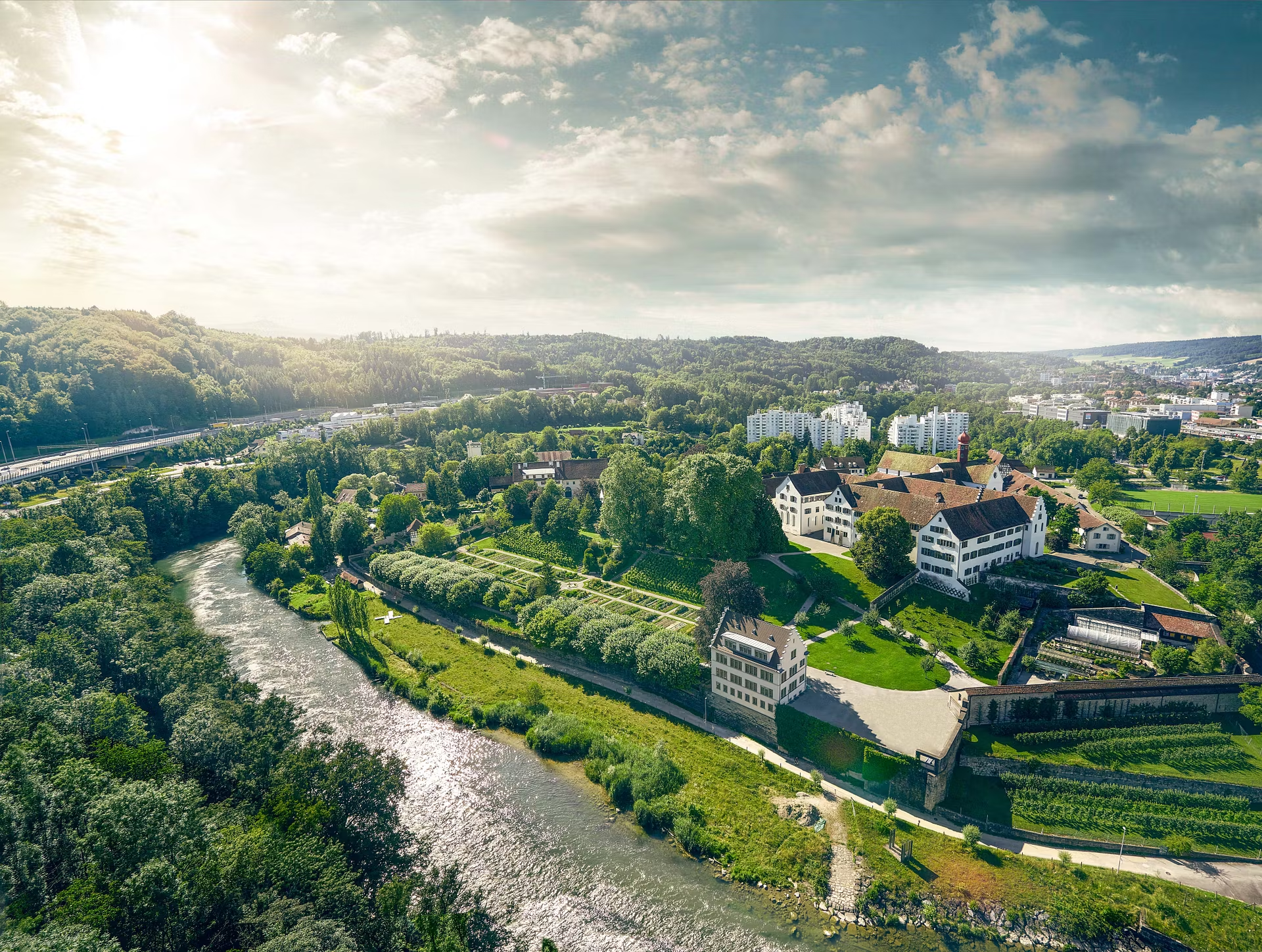
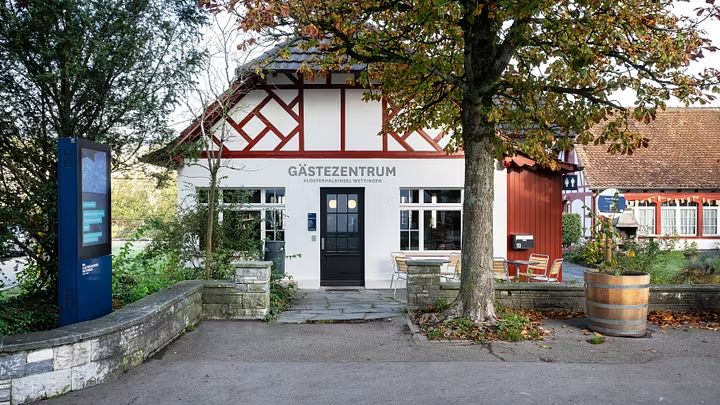
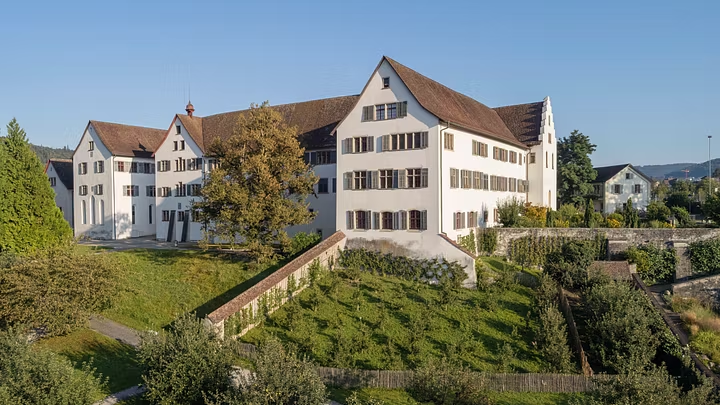
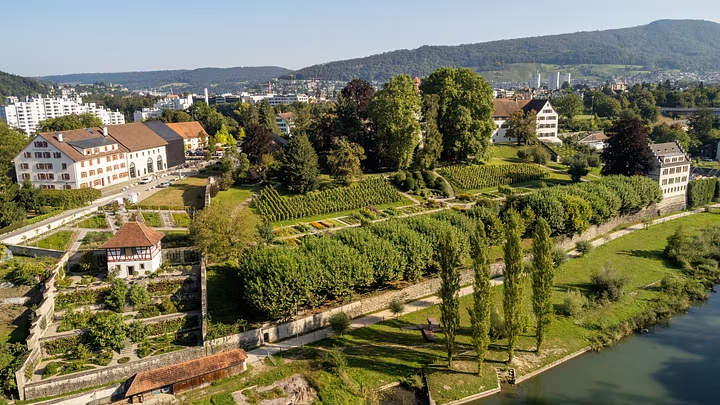
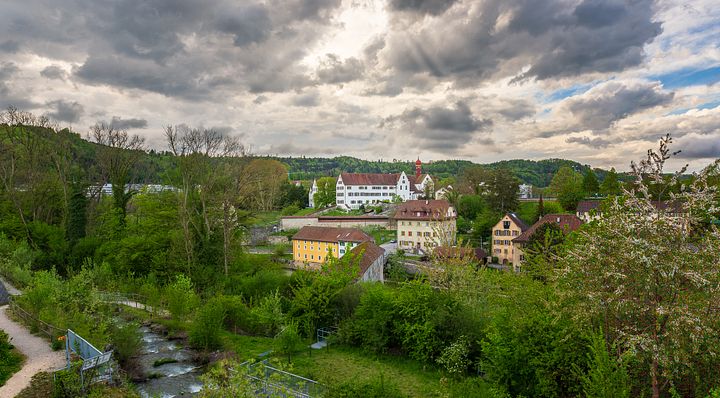
Wettingen Abbey is a cultural asset of international standing. Culture, education, history and hospitality merge into one experience at this power spot on the river Limmat.