
Wildegg Castle

Hire rooms for weddings and events

Impressions

 
Königsfelden Abbey

Opening hours and entrance fees

WINTER BREAK Königsfelden Abbey is closed for the winter. We look forward to your visit from 1 April 2026. Opening hours 1 April to 1 November 2026 Monday closed Tuesday – Sunday, public holidays* 10

 
Königsfelden Abbey

Getting here by train, bus and car

Directions to Königsfelden Abbey Address Kloster Königsfelden – Museum Aargau Königsfelderstrasse 5210 Windisch Tel. 0848 871 200 Contact Arrival by public transport and car Arriving by train and bus

 
Königsfelden Abbey

Accessibility

Getting here Arriving by car Visitors with reduced mobility can park at the meeting centre of Königsfelden Psychiatric Services. From there it is about 4 minutes to the convent church on a level path.

 
Königsfelden Abbey

Tour of the Abbey complex

Visit the exhibitions at Königsfelden Abbey and travel back to the time when the convent church was built. The Habsburgs built Königsfelden Abbey on the ruins of the Roman legionary camp of Vindonissa

 
Königsfelden Abbey

Excursions for families and children

Descend into the crypt or marvel at the famous stained-glass windows: Königsfelden Abbey offers tours for the whole family. Königsfelden Abbey is an exciting destination for families and children when

 
Königsfelden Abbey

Contact

Address Kloster Königsfelden – Museum Aargau Königsfelderstrasse 5210 Windisch Tel. 0848 871 200 Contact Organisation Museum Aargau Management Member Contact Dr. Marco Sigg Director E-Mail Dr. Angela

 
Königsfelden Abbey

History

CONVENT CHURCH & HISTORY The Abbey complex Impressive convent church Stained glass windows Late medieval glass painting History A king's murder and the foundation of the Abbey

 
Königsfelden Abbey

Events

 
Wildegg Castle

History

Wildegg Castle Estate includes all lands and properties outside the castle walls. It comprises numerous buildings to this day including Gasthof Bären and an organic farm. Wildegg Castle Estate has und

Gradian
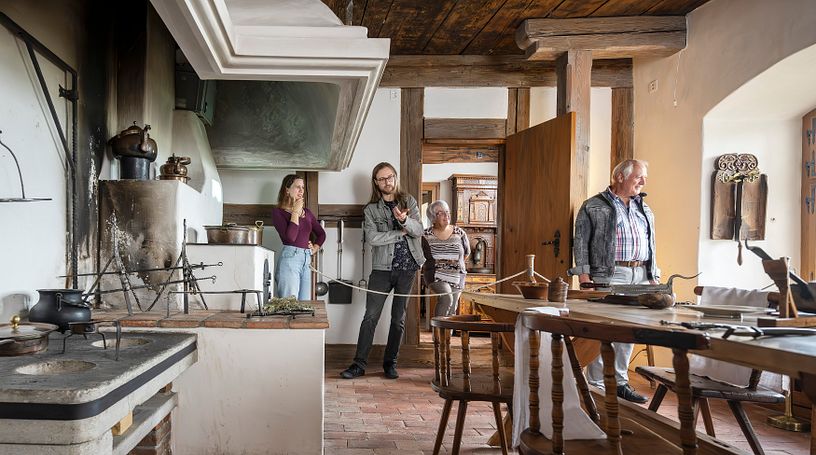
Küche mit Besuchern im Schloss Lenzburg Museum

Exhibition

Domestic life museum and prison

The museum of domestic life and prison of Lenzburg Castle reveal the lives of lords, rogues and scoundrels. Come and explore!

Domestic life museum: how lords and ladies lived

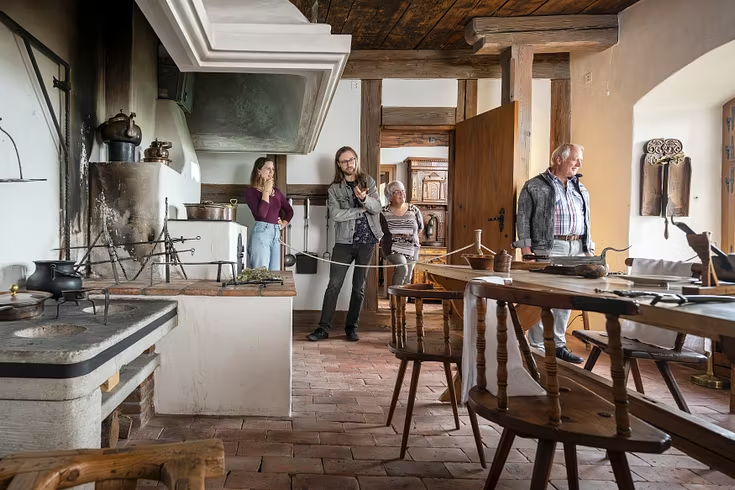
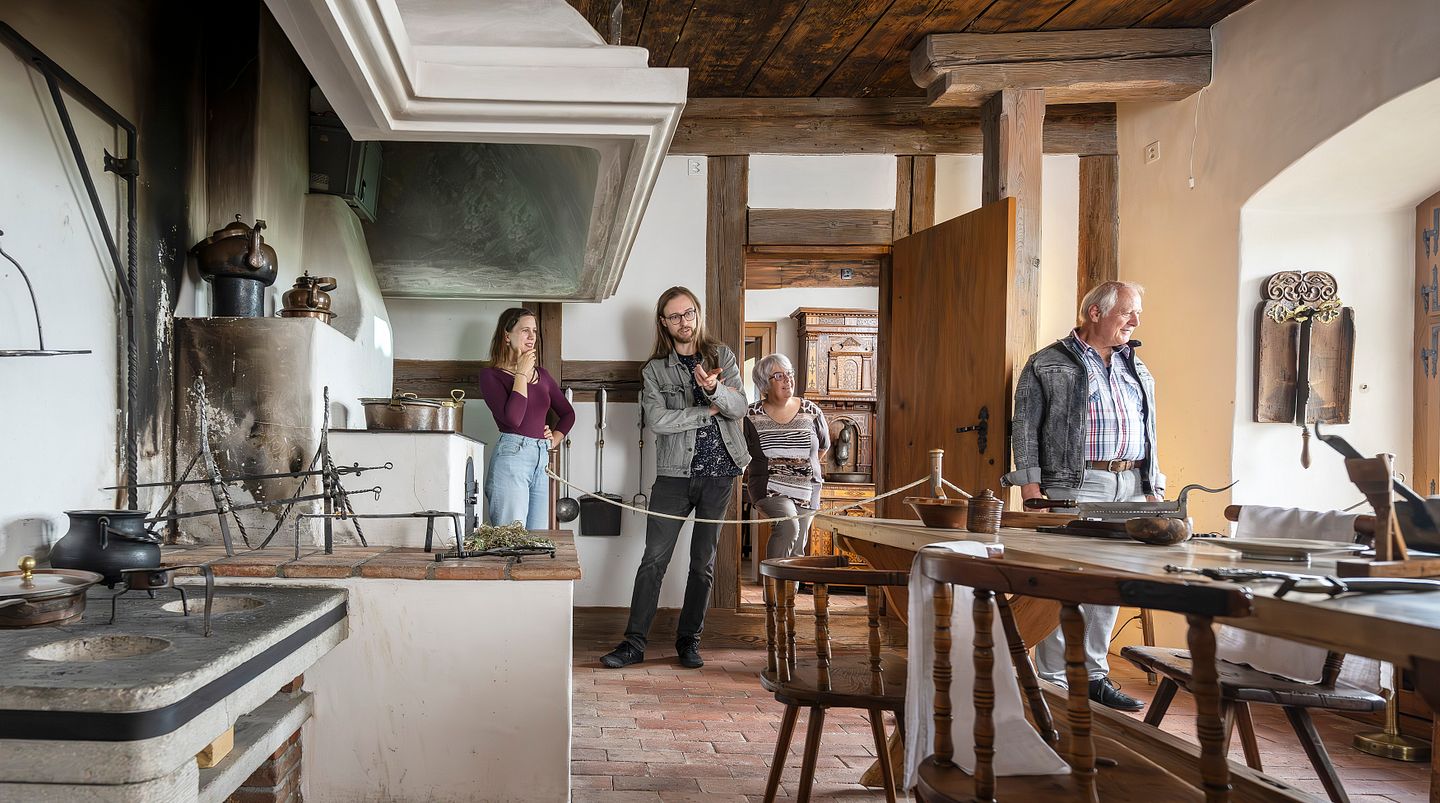
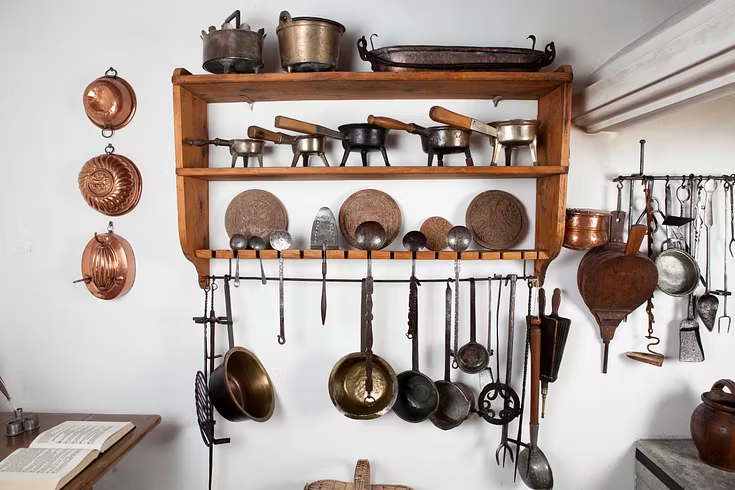
In the museum of domestic life it feels as if the lords and masters had just left Lenzburg Castle. Filled with original furniture, it provides an insight into the different eras in which the castle was inhabited. In the late medieval kitchen, for example, you can look into the cooking pots, smell the exquisite spices or inspect the kitchen utensils of the time. You'll enter impressive rooms from the 18th century with hand-printed fabric wallpaper all around and a matching tiled stove.

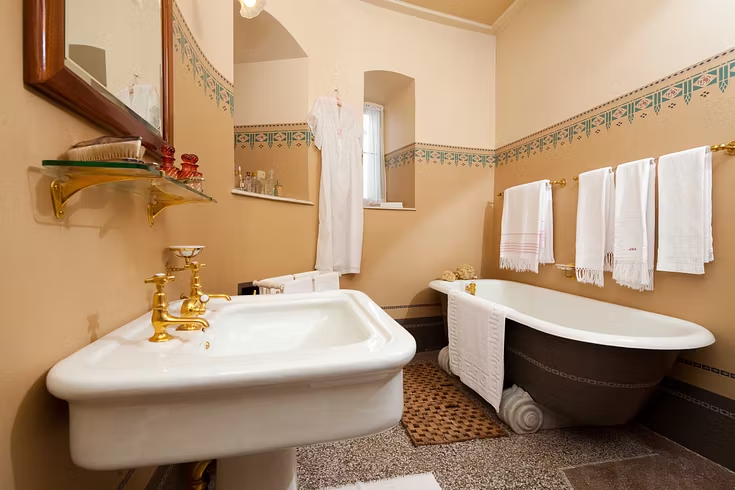
The bathroom with its golden taps bears witness to the luxurious life of the industrialist's wife Lady Mildred, who lived in the castle with her husband Augustus Edward Jessup from 1893 until the 20th century. Many other rooms display exquisite objects and give an impression of how the inhabitants of Lenzburg Castle have lived over the centuries.

Prison: where rogues and crooks ended up

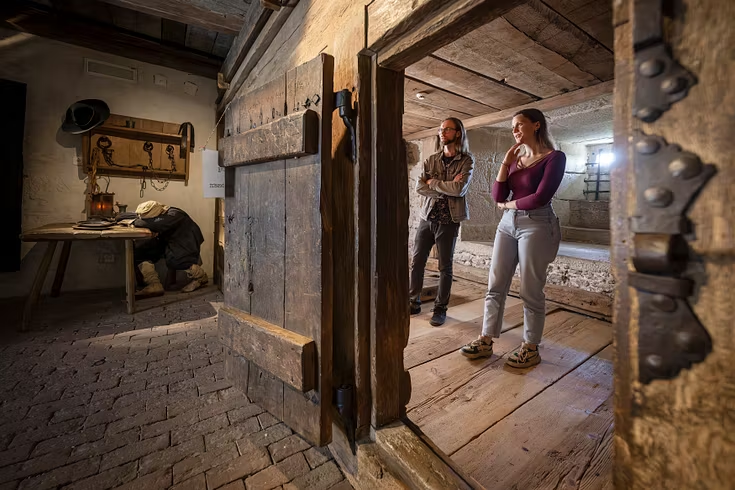
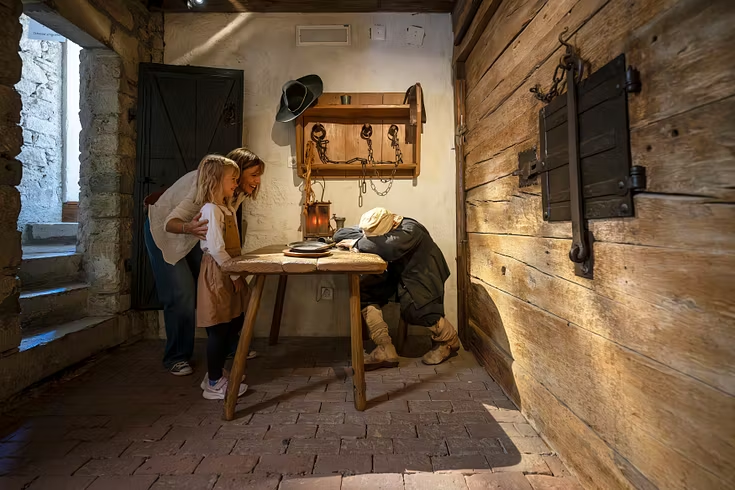
The prison, by contrast, is cold and damp. Enter an original preserved cell from the 17th century and decipher the inscriptions carved into the wood by prisoners. Instruments of torture such as thumbscrews show the methods used in the penal system at that time. The execution sword, with which rogue king Bernhard Matter was the last person to be executed in Aargau in 1854, has been preserved in its original form.
Impressions

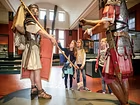
Eine Mutter und ein Kinder stehen im Gefängnis von Schloss Lenzburg vor einer Puppe an einem Tisch (Wärter)
Antike Küche mit Küchenutensilien Schloss Lenzburg
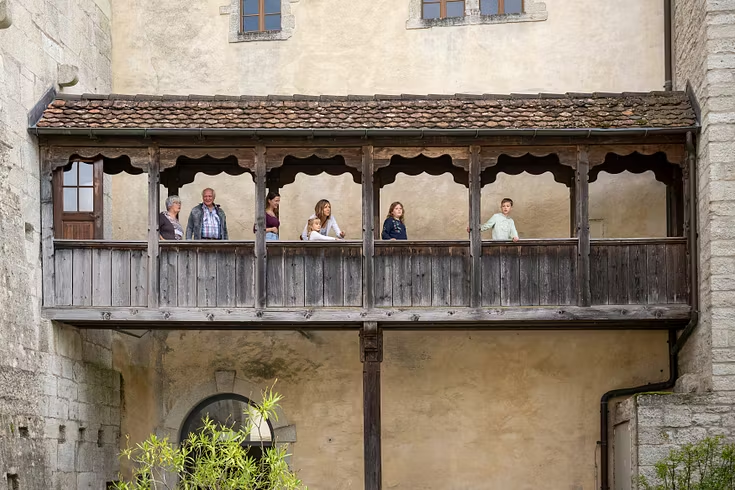
Mehrere Personen schreiten auf Schloss Lenzburg über eine Holzbrücke ins Gefängnis.
Antikes Badezimmer im Schloss Lenzburg
Zwei Personen stehen in einer Gefängnis-Zelle von Schloss Lenzburg
Küche mit Besuchern im Schloss Lenzburg Museum