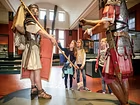
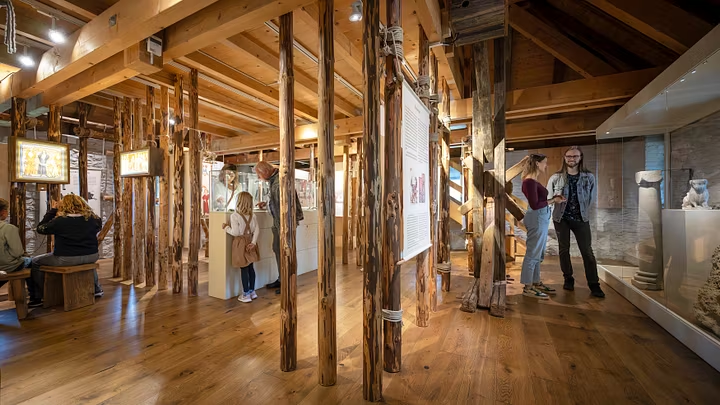
Permanent exhibition Admission Museum entrance fee Stroke a wild boar! Stroke a wild boar and find out how the lords of Wildegg hunted with birds of prey and dogs around 1800. In the Jagd & Wild (Hunting & Game) exhibition you'll walk through the woods and stand amidst their animal inhabitants. You'll also learn which animals and tools were helpful to hunters, discover on a map where the hunting ground was located, and marvel at the many trophies that the Effingers brought home. In the lifelike hunting and game exhibition, Sigmund Effinger himself talks about his passion. His talking portrait explains
Audio tour Admission Entrance free History as audio play On a tour of the castle complex, you can learn all about the Habsburgs' rise to global power at six audio points. The Habsburgs established numerous towns and individual castles in what is now the canton of Aargau during the Middle Ages. They took over numerous fortifications from their sovereign predecessors, the Lenzburgs, Frohburgs and Kyburgs, and also held court at Lenzburg and Laufenburg castles. But who were the Habsburgs? How did they lay the foundations for a global empire, and how did they achieve royalty? The Habsburg Kings
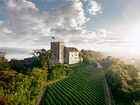
Permanent exhibition Admission Entrance free Construction and settlement history In the tower of the rear castle at Habsburg is a small exhibition on the buildings' construction and settlement history. A three-dimensional model as well as text and picture panels illustrate the structural development of Habsburg Castle. Objects and illustrations give an insight into everyday life in the castle, covering topics such as food, water supply and living conditions. Spread around the castle grounds there are also nine panels with information and sketches on the construction history, with interesting
Audio tour Admission Museum entrance fee 0 Discover Hallwyl Castle In the many rooms at Hallwyl Castle there are individual numbers on steles as well as on portraits. By typing in the number into the "Museum Aargau Guide", you will hear either an overview text about the room or stories about selected members of the von Hallwyl family. Audio tour "Castle Tour" at Hallwyl Castle: men and women of the von Hallwyl family talk about their lives
Foxtrail Tickets Book your Foxtrail experience directly online at www.foxtrail.ch. 240 Fox hunting at Hallwyl Castle The “Foxtrail Hallwyl Castle” takes you on a journey through the legendary history of the Hallwyler family. Discover hidden puzzles and secret passages in the castle and solve the mystery of the Hallwyler family ring. Bookable trails: Foxtrail Hallwyl Castle Mini (1 to 2 hours) Foxtrail Hallwyl Castle (3 to 4 hours, with nature reserve) Foxtrail Hallwyl Castle: puzzles and secret passages in the castle. Book now!
Permanent exhibition Admission Museum entrance fee 0 Mill island with grain mill and garden On the mill island next to the castle you see into the workings of the grain mill, which was essential for the survival of the people. Having control over the mill and transport routes meant power and income for the lords of Hallwyl. Mill of Hallwyl Casle. See into the workings of the grain mill.
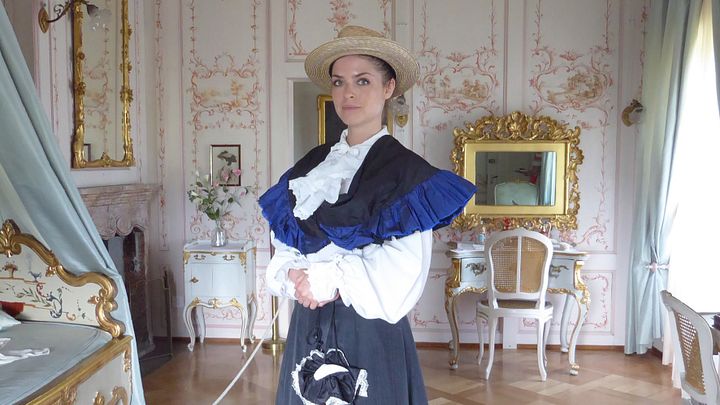
Permanent exhibition Admission Museum entrance fee Cigar-rollers in action In homage to Hansjakob Suter, the legendary curator of Hallwyl Castle in the 1970s, the granary displays the most important objects from his exhibition on customs and trade in the Seetal. In the granary, the focus is very much on tobacco and straw production in the Seetal, which experienced its heyday at the end of the 19th century. The fashionable straw hats became famous around the world and even made it all the way to New York. The exhibition also looks at midwinter customs from the village of Hallwil and traditional
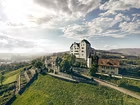
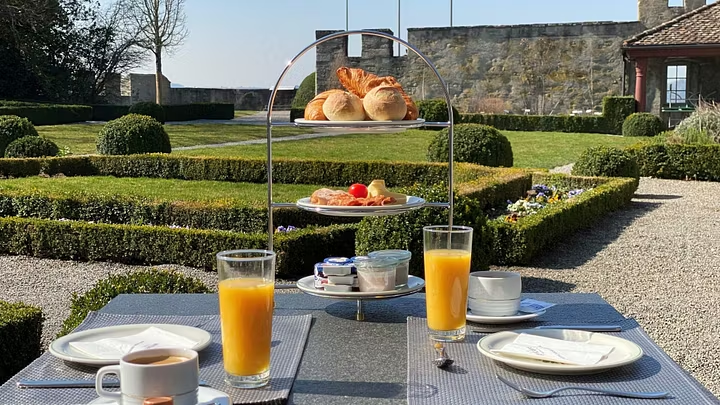
Admission Museum entrance fee Rare variety Take a stroll through the 3,300-square-metre kitchen garden and pleasure garden with its old crop plants and rare vegetables. The historic vegetable cellar gives an interactive insight into the history of the garden and the work of ProSpecieRara. Kitchen garden and pleasure garden: rare variety The combined kitchen garden and pleasure garden at Wildegg Castle is the perfect place to stroll, smell the scents and marvel at the flora. Old, barely remembered vegetable varieties grow in the borders, while the flowers and shrubs fill the air with their
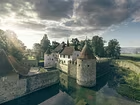
Experience the impressive history of the von Hallwyl family at the Museum of Hallwyl Castle. Over the course of more than 800 years, this minor noble family distinguished itself in many ways: on Swiss battlefields, at European courts, in science, politics and trade, and in the world of finance. On the audio-guided tour, members of the family recount their lives. Ordinary people such as the farmers and subjects of the Hallwyl estate also have their say. The eerie cries of prisoners can still be heard today in the tower where they were imprisoned. Opening hours 1 April to 1 November 2026 Tue –
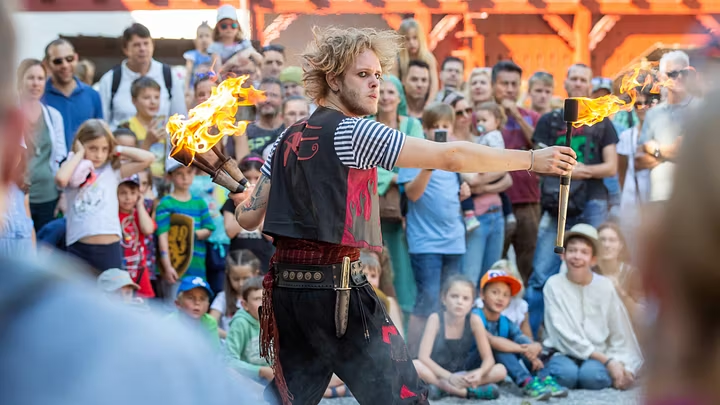
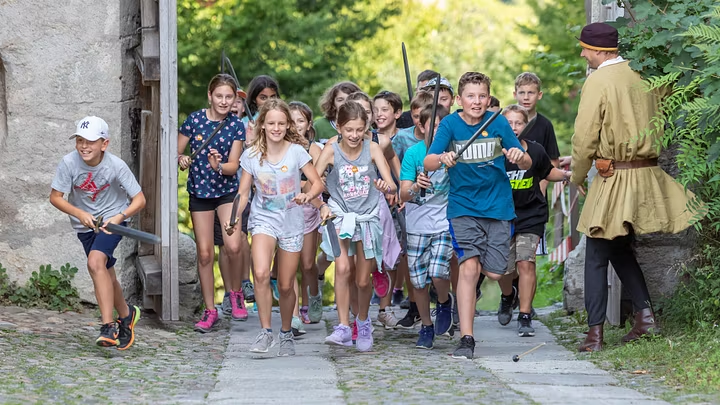
Experience the Romans live! Events, public guided tours and family Sundays take place regularly on the Vindonissa Legionary Trail. Calendar of events (in German) Contact +41 (0)848 871 200 Send a message Telephone availability: Tuesday to Friday 9 am - 12 pm / 1 pm - 4:30 pm November to March only in the morning Impressions
2 out of 20
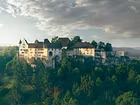
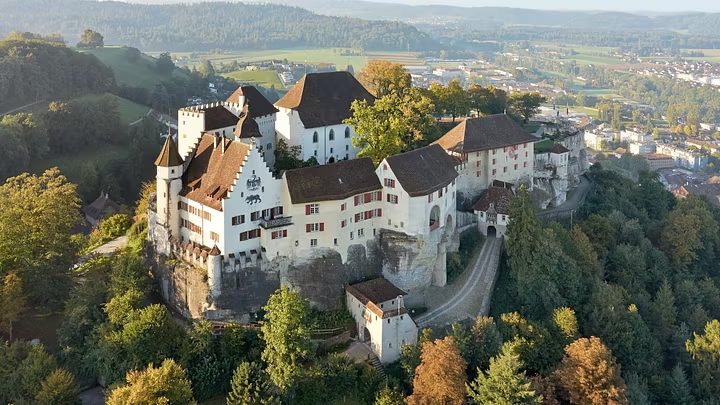
Lenzburg Castle
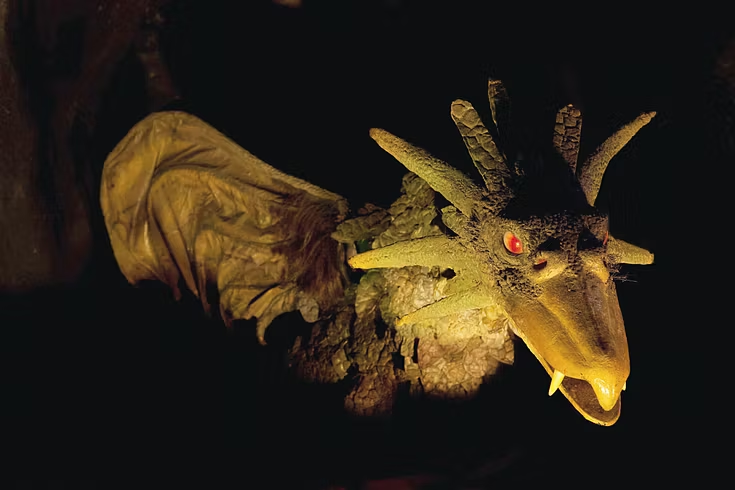
Home of knights and dragons
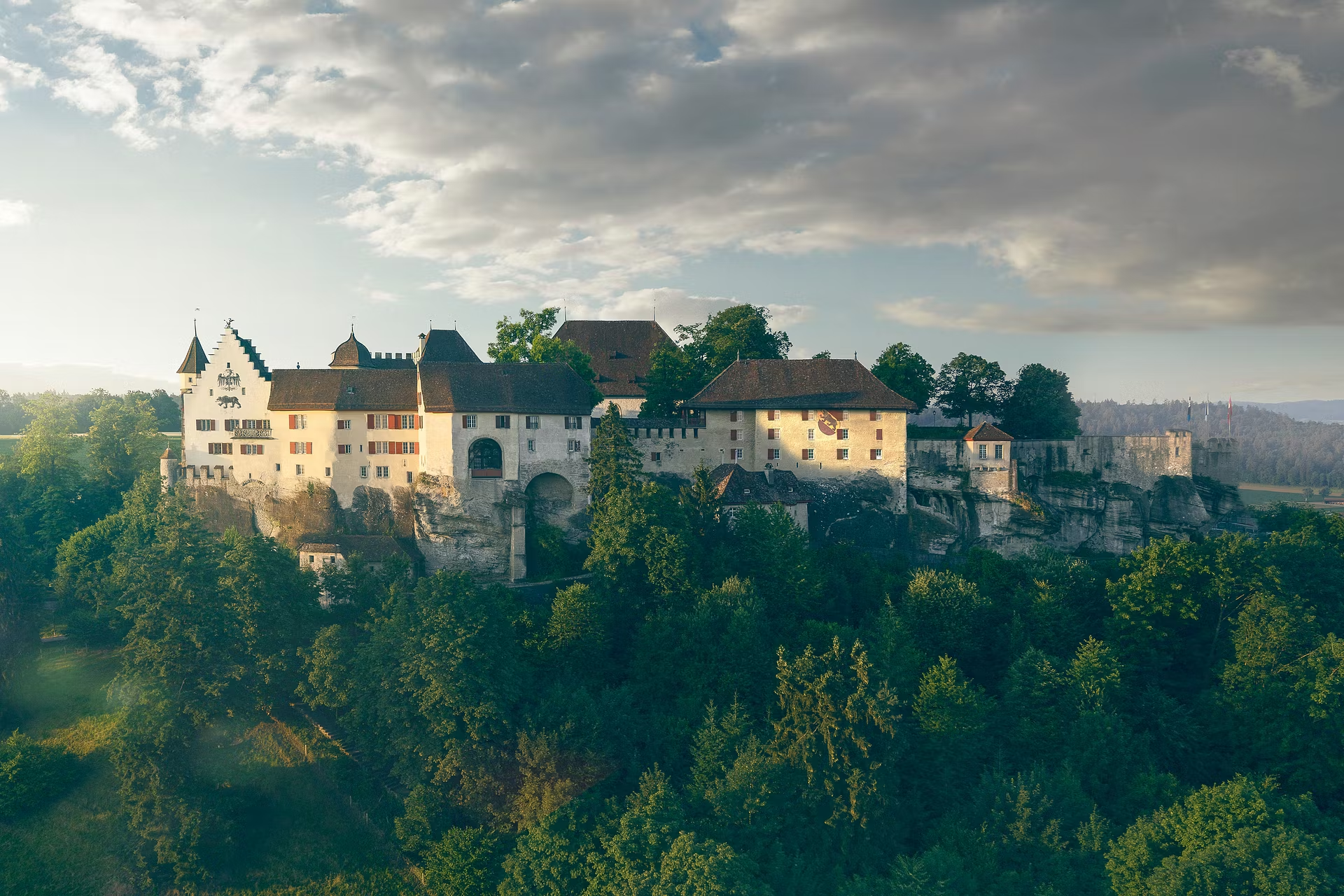
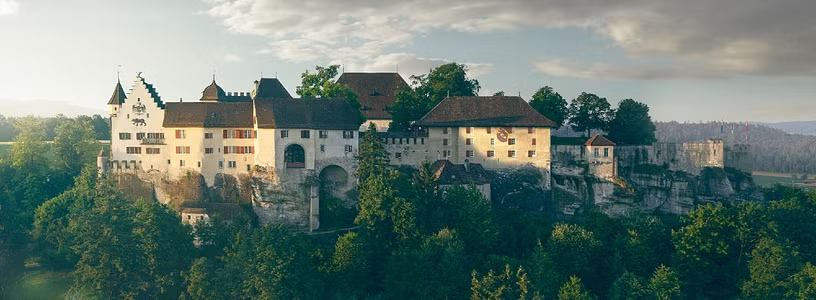
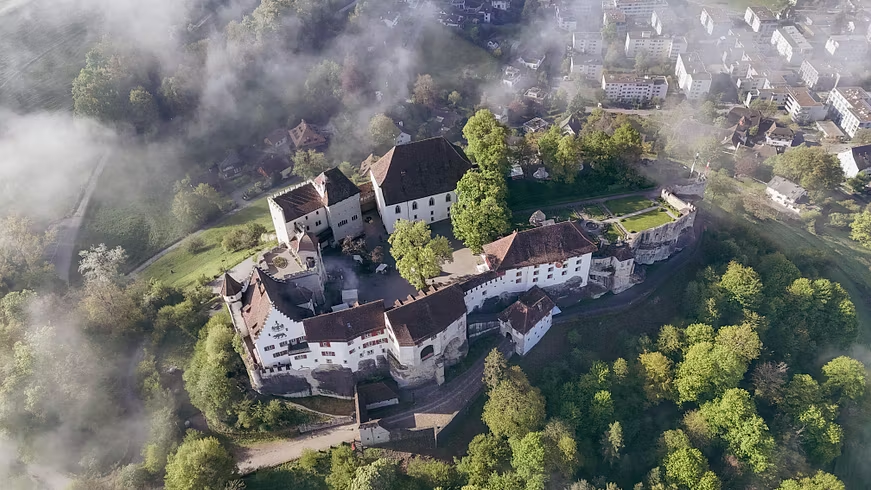
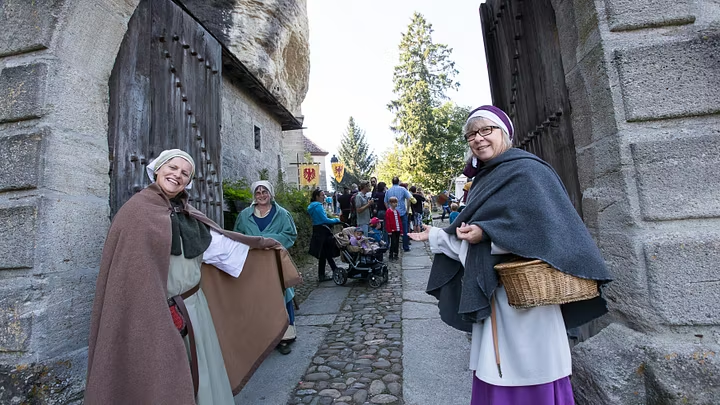
Lenzburg Castle is one of the most important hilltop castles in Switzerland. Experience knights, noblemen and crooks!