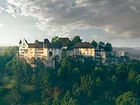
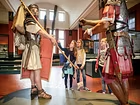
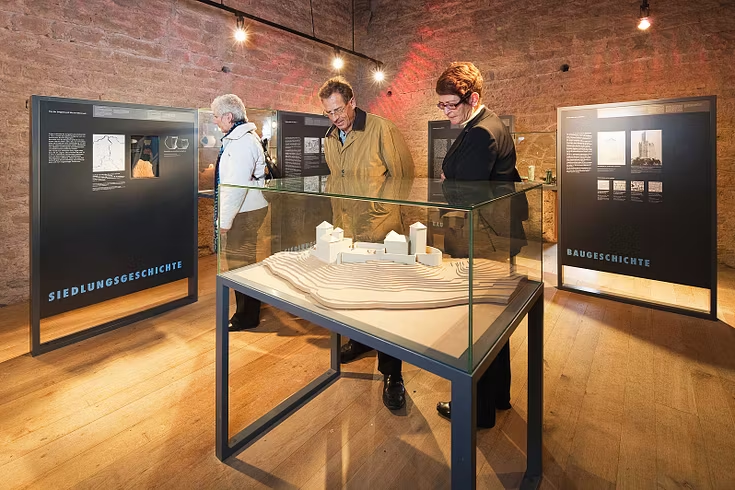
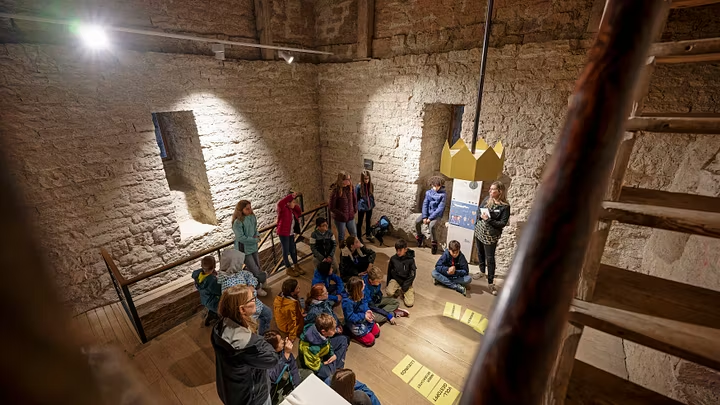
Permanent exhibition Admission Museum entrance fee The "Knighthood and Nobility" exhibition focuses on the Middle Ages. Medieval fans will find plenty to interest them in the "Knighthood and Nobility" exhibition: discover how three great Swiss noble families organised their rule and the legacy they left behind. From the 11th to the 15th century, the Lenzburgs, Kyburgs and Habsburgs ruled Lenzburg Castle. This 400-year history of rule is presented in the residential and south tower, the oldest part of the castle. Audiovisual shadow plays show how the three great noble families fought out conflicts
Permanent exhibition Admission Museum entrance fee Visit Fauchi, the castle dragon! What would Lenzburg Castle be without Fauchi! The castle dragon is loved by all young visitors. At the dragon research station you can find out all about the castle's legendary inhabitant. Fauchi: are you brave enough? Anyone with enough courage can visit the castle dragon Fauchi at Lenzburg Castle. Enter his dark cave full of hissing, smoke and ominous rumbling. It's an unforgettable experience for castle visitors of all ages! According to legend, the castle dragon Fauchi hatched from a dragon egg many years ago on
Wildegg Castle
Living history museum and ancestral portrait gallery
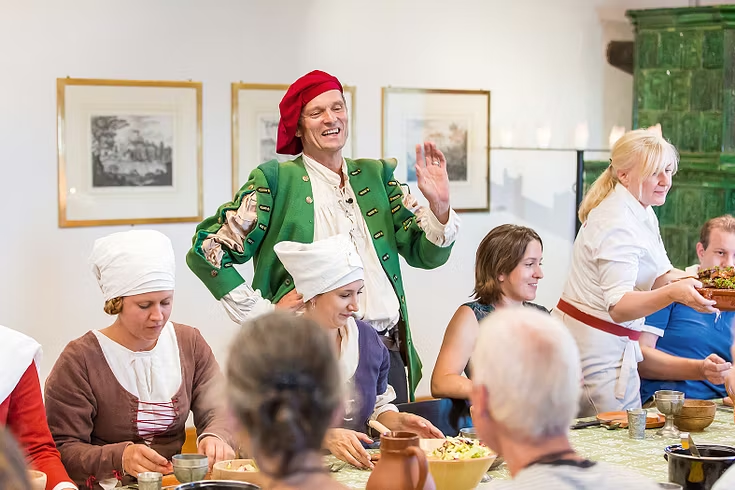
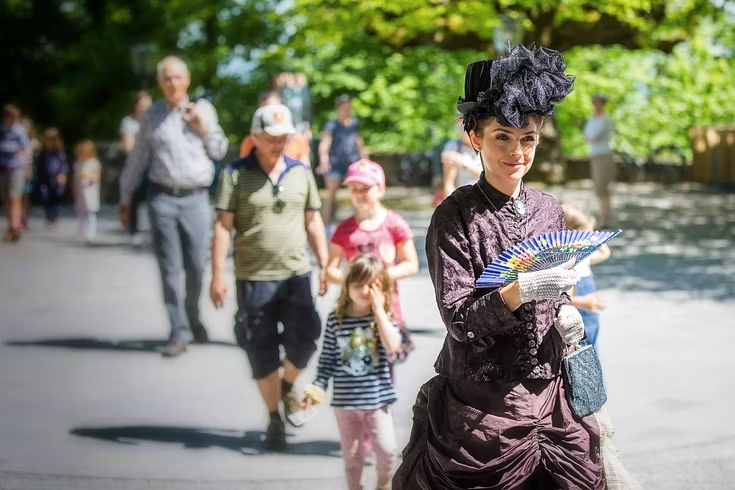
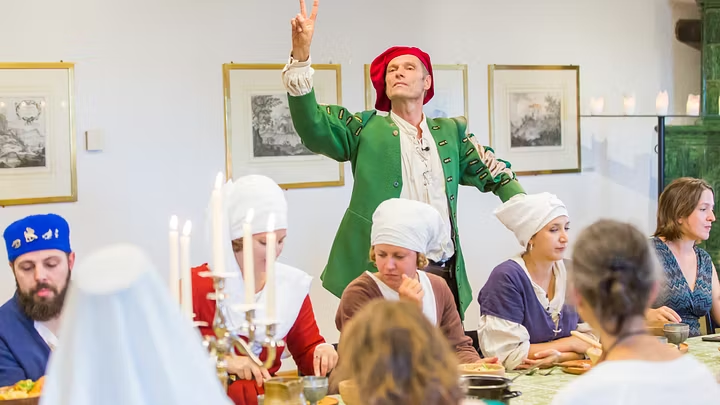
Permanent exhibition Admission Museum entrance fee Former castle residents are waiting to chat with visitors! Wildegg Castle is the castle of talking portraits: in the ancestral portrait gallery and the living history museum, former castle residents are waiting to chat with visitors. They include Julie von Effinger, the last owner of Wildegg Castle, who recounts anecdotes from her everyday life. Throughout the castle, large portraits of the von Effinger family come to life and tell of the past in a lively and entertaining way. An impressive living history museum With its more than 30 beautifully
Rose garden Admission Entrance free A major attraction for rose lovers The rose garden of Wildegg Castle is a major attraction for rose lovers. Numerous historical roses with rose arches, as well as English roses and hybrid tea roses, can be found here. Laid out in around 1830 it's a magnificent sight, especially during the main flowering period in June, replete with carefully tended, historical and rare roses. For weddings, the rose garden is a popular backdrop for photo shoots. It's also the perfect place to sit on a bench and read a gripping detective story. The small park near the historic
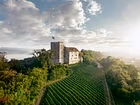
Permanent exhibition Price Museum/garden admission 0 Nine interactive stations about viticulture The Wildegg Castle vineyard trail tells the story of the hard but rewarding work of winegrowers in centuries past. At nine interactive stations, built from old wine barrels, visitors discover the challenges of winegrowing: from tending the vines in winter to the dangers posed by weather, pests and diseases, right through to the grape harvest in autumn. Special attention is paid to the Effinger family, who used viticulture as their economic basis for centuries. Rebpfad Schoss Wildegg: Ausstellung
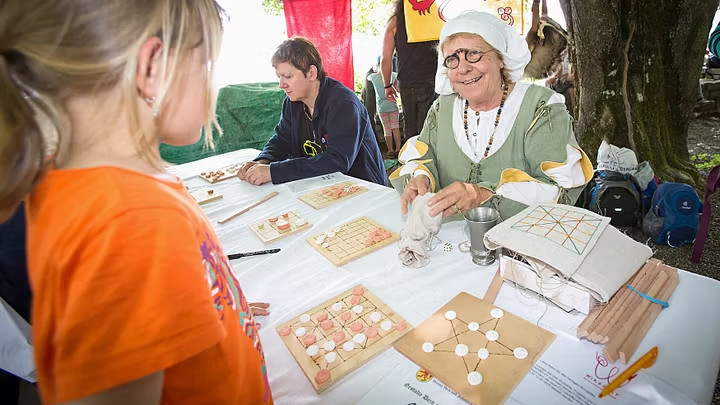
Permanent exhibition Admission Museum entrance fee Saddle up the horses in the stables! Wildegg Castle is a paradise for families: children can play and paint in the castle barn, or saddle up the horses in the stables! Children's area: books, games and billiards There's never a dull moment in the children's area at Wildegg Castle! Here, kids can dress up as knights, set the table in the children's castle, browse through books on the elegant sofa or try out old games. They can even play a game of billiards – just as the residents of Wildegg Castle once did. Stables: saddle up the horses! In the
Permanent exhibition Admission Museum entrance fee Stroke a wild boar! Stroke a wild boar and find out how the lords of Wildegg hunted with birds of prey and dogs around 1800. In the Jagd & Wild (Hunting & Game) exhibition you'll walk through the woods and stand amidst their animal inhabitants. You'll also learn which animals and tools were helpful to hunters, discover on a map where the hunting ground was located, and marvel at the many trophies that the Effingers brought home. In the lifelike hunting and game exhibition, Sigmund Effinger himself talks about his passion. His talking portrait explains
Admission Museum entrance fee Rare variety Take a stroll through the 3,300-square-metre kitchen garden and pleasure garden with its old crop plants and rare vegetables. The historic vegetable cellar gives an interactive insight into the history of the garden and the work of ProSpecieRara. Kitchen garden and pleasure garden: rare variety The combined kitchen garden and pleasure garden at Wildegg Castle is the perfect place to stroll, smell the scents and marvel at the flora. Old, barely remembered vegetable varieties grow in the borders, while the flowers and shrubs fill the air with their
Permanent exhibition Admission Museum entrance fee Take a journey through the history of knowledge and belief At the Observatory, take a journey through the history of knowledge and belief in a cinematic installation. Together with a group of pupils from Wettingen Cantonal School, you will visit places that tell this story: from the earliest known cave paintings to the vastness of the World Wide Web. On this journey, you will discover how the monks of the Cistercian abbey understood knowledge in the Middle Ages – and how the expulsion of the monks from the abbey in 1841 was linked to new concepts
Admission Free of charge Tradition of monastic healing Today, medicinal herbs, spices, flowers and also certain vegetables grow in the medicinal garden of Wettingen Abbey. The garden showcases the long tradition of monastic medicine. The original location and design of the medicinal garden are not known in detail. It is assumed that, as in comparable abbey complexes, the Wettingen garden was located by the infirmary wing. The garden has been reconstructed at this location, based on the Hortulus book on gardening by the Reichenau abbot Walahfrid Strabo and the St. Gallen abbey plan from the 9th
4 out of 20
Habsburg Castle
Ancestral Seat of a Global Dynasty
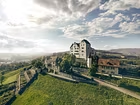
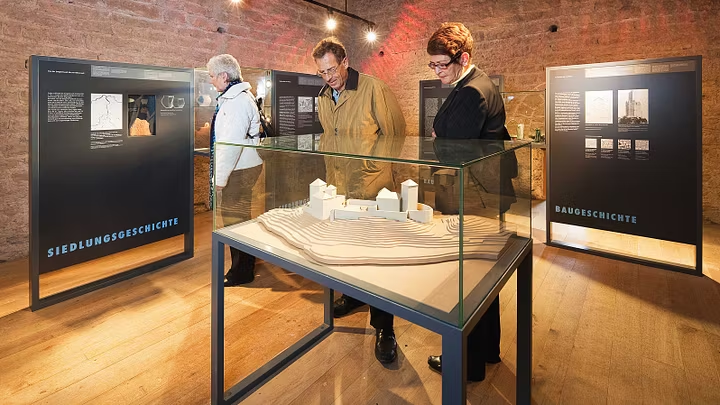
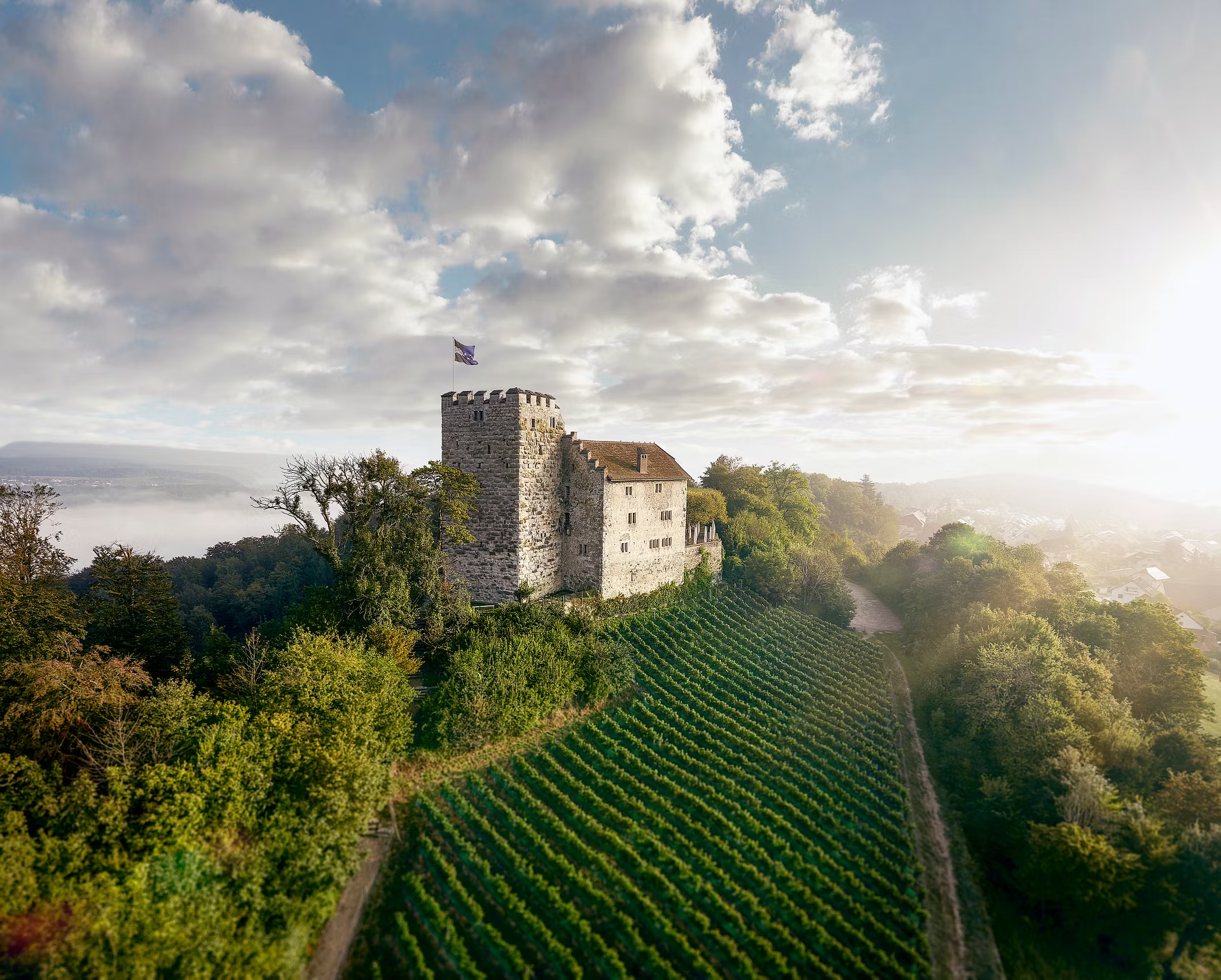
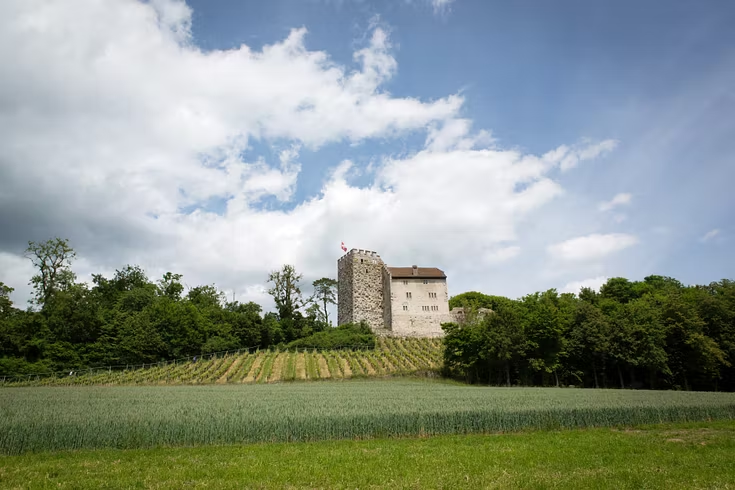
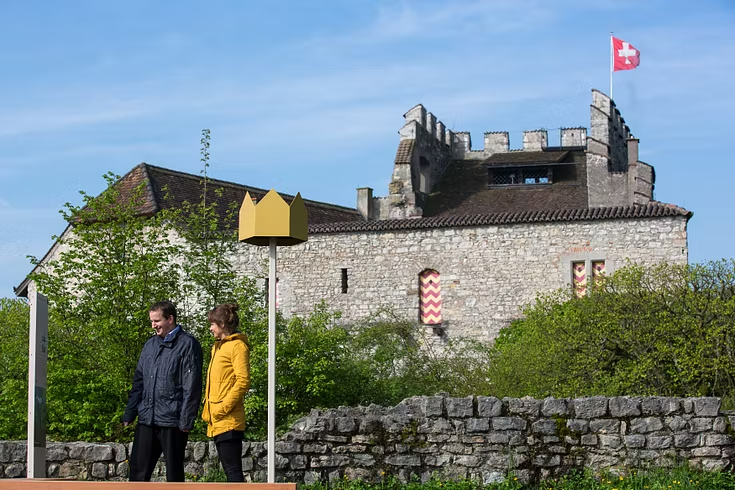
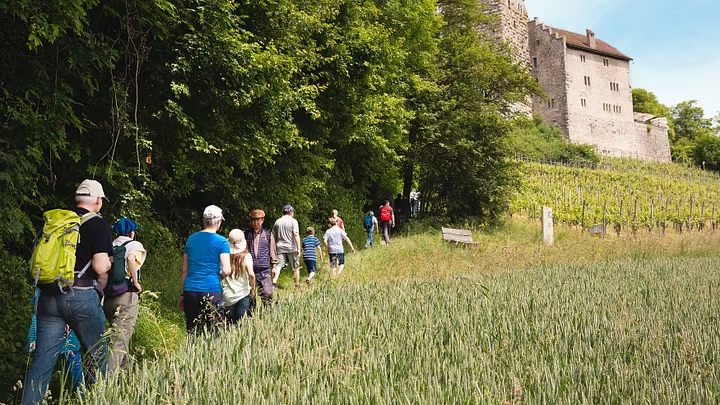
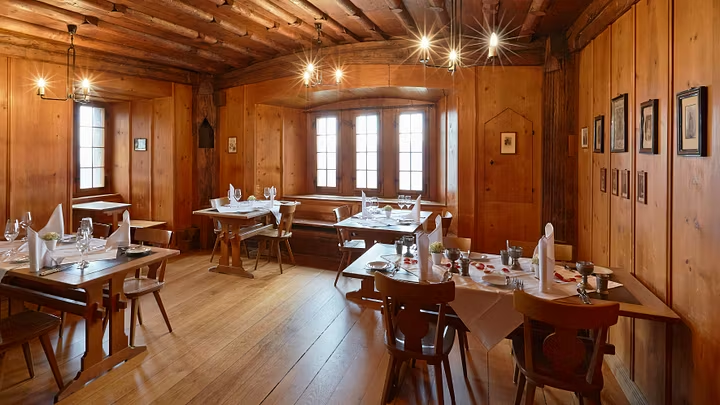
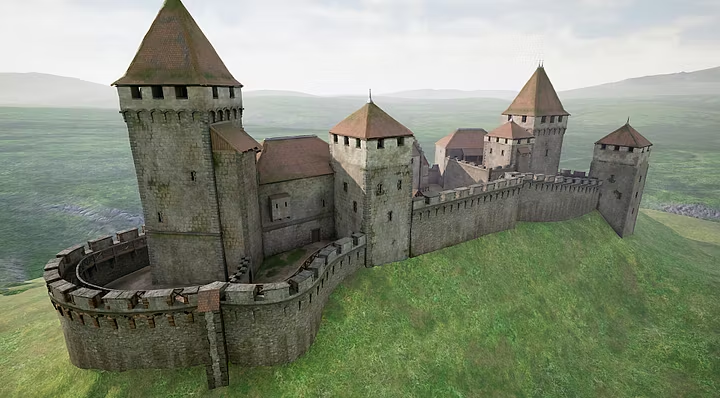
The foundation stone of what was to become the Habsburg dynasty was laid at Habsburg Castle in around 1030. Exhibitions, guided tours and events present the history of the legendary castle and its noble family.