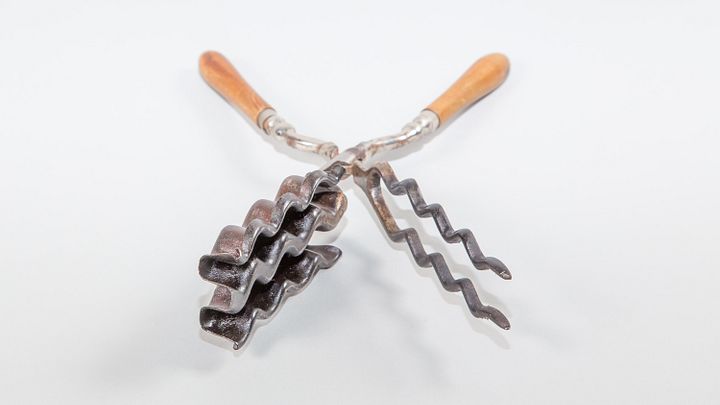
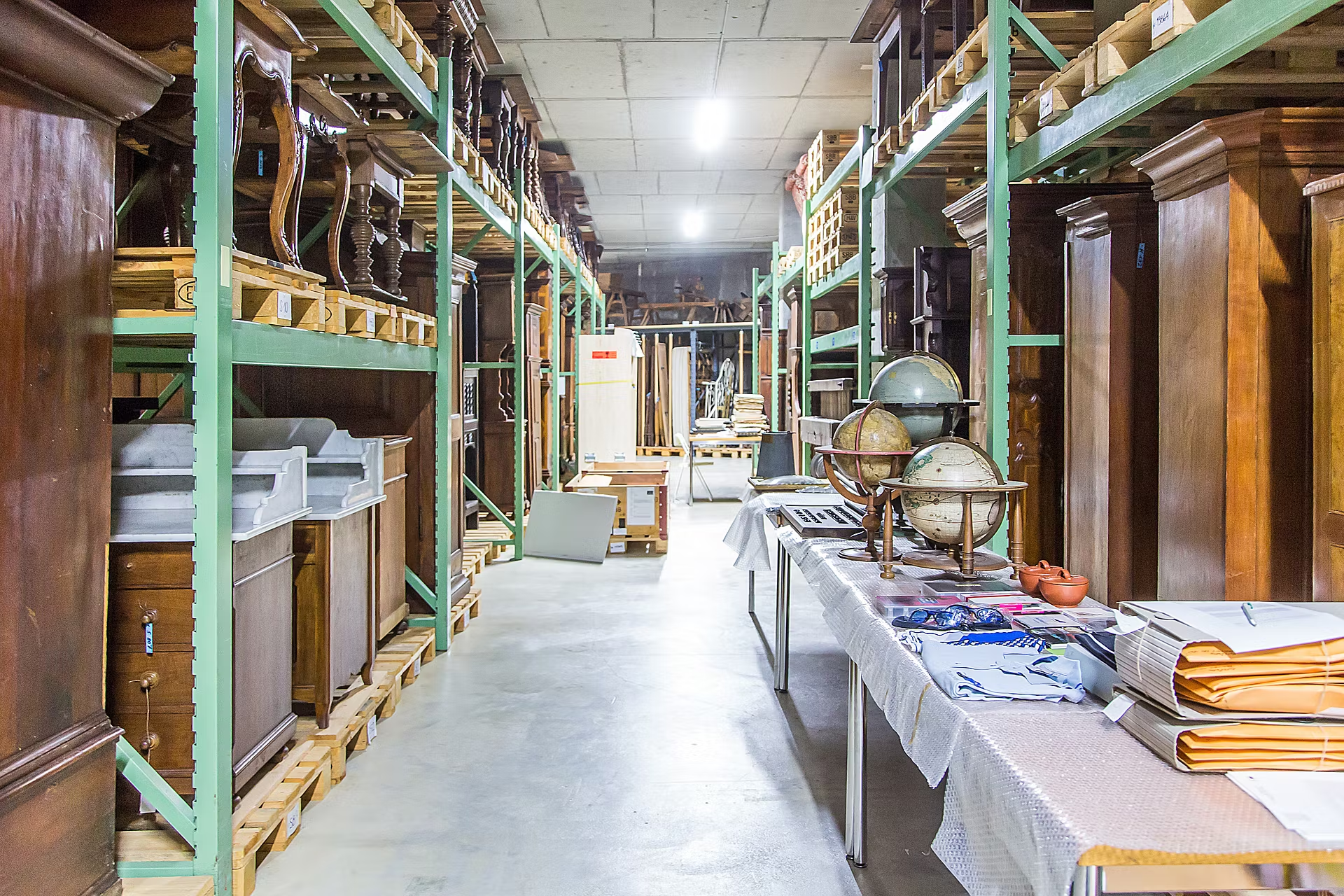
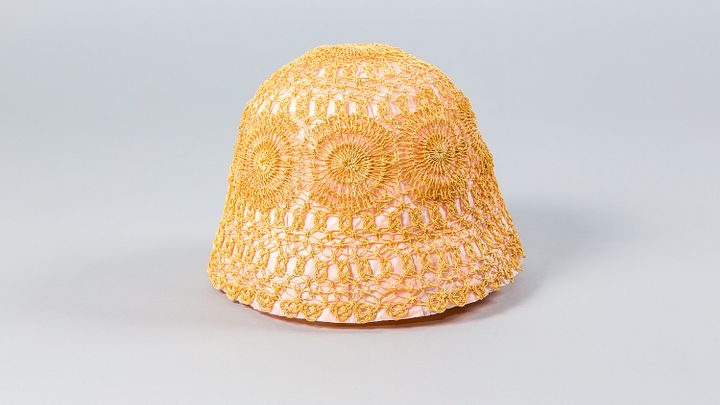
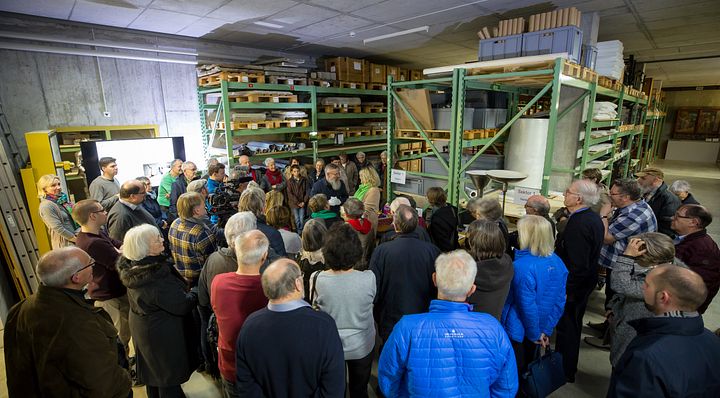
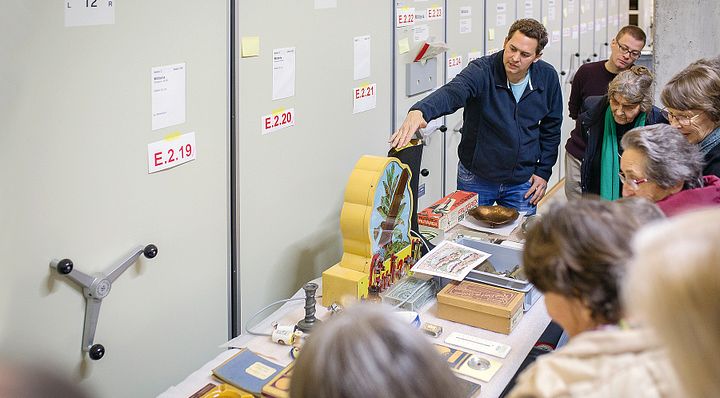
The Museum Aargau Collection has been assembled from various holdings since 1830. It consists of bequests from Aargau's castles and monasteries, numerous donations, objects acquired from company archives and targeted purchases. The Collection is constantly being expanded and documents Aargau's history in tangible form through objects that can be experienced. Collecting, preserving, researching Collecting, preserving and researching objects are among the core tasks of a museum. A collection strategy defines the criteria according to which objects are collected. When an object is added to the Collection
A day trip to the Vindonissa Museum is packed with highlights for groups: start an interactive adventure tour as an archaeologist, book a guided tour or discover the exhibitions on your own. All offers can also be booked in English. In addition to self-guided tours, the Vindonissa Museum offers guided tours and tours for groups. We will be happy to arrange a suitable offer for groups with special interests. Please also note our information for people with disabilities . Why not combine your group offer with a Roman-style drinks reception? Our advice & sales team will be happy to advise you.
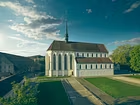
Admission: Museum entrance fee 0 Tour of the Abbey grounds A walk around the convent church leads through the Abbey grounds, where Franciscan monks and Poor Clares once lived. Of the original double abbey complex, the archive vault of the former Franciscan monastery in the north is still preserved today. On its walls are paintings of the fallen knights from the battle of Sempach in 1386. The remaining parts of the building are marked by stone slabs embedded in the ground, which give an impression of the extent of the Abbey. To the south there are still parts of the nunnery, such as the
Museum Aargau
Vindonissa
https://www.museumaargau.ch/en/vindonissa
MUSEUM SITES IN VINDONISSA Vindonissa Legionary Trail The Roman adventure park offers play/theme tours, events, roman overnight stays, guided tours and much more. Vindonissa Museum The Vindonissa Museum in Brugg presents the most important finds from Vindonissa, the only Roman legionary camp in Switzerland.
Price: Included in the museum admission fee 0 Reconstructed Ornamental Garden of the Legion Commander The Roman garden at the Vindonissa Museum is an oasis of tranquility and sensory delight. A colorful array of plants flourishes in the flower beds, while water splashes in the fountains and basins. A colonnade frames the 450-square-meter complex, which is unique in Switzerland in terms of its size. The garden features around 40 plant species for which there is archaeobotanical evidence locally. The design, with its ornate bed borders and water features, is modeled after ancient examples and exudes
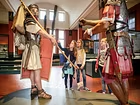
Interactive tour for children Suitable for Ages 7 and over Price Included in the museum admission fee Duration 45 minutes Booking Not required 0 Trough the museum with the treasure map Our archaeologist on duty, Walter Scatterbrain, has been dreaming of grand palaces and glittering treasure again. He forgot where he stowed his latest finds from the last excavation. Help him find his objects and fill in the gaps in his diary. An exciting quiz for big and small. Join the quiz tour at the Vindonissa Museum! Help archaeologist Walter Schussel find his artifacts. A thrilling adventure for children aged
Admission: Museum entrance fee Highlights from the Cantonal Archaeology Department The AKTUELL display presents special treasures from the former legionary camp at Vindonissa. A new display is installed by the Cantonal Archaeology Department every year. Themes include current excavations, unusual finds and research results from throughout the canton of Aargau. The vernissage takes place every November.
Admission: Museum entrance fee Discover original objects from excavations! How did the Romans live 2,000 years ago on the territory of present-day Switzerland? What did they eat? What weapons and clothes did they wear? For more than 100 years, archaeologists in the Brugg/Windisch area have been researching the site where the only legionary camp on the territory of present-day Switzerland once stood. Largest collection of Roman writing tablets The Vindonissa Museum shows original objects from these excavations in its permanent exhibition. It presents life and everyday routines in the legionary camp
Permanent exhibition Admission Museum entrance fee Permanent exhibition on the family and construction history Who lived at Hallwyl Castle? When was it built? How did the lords of Hallwyl ensure law and order? And how did the servants live and work? The permanent exhibition in the castle provides an insight into the construction and family history and numerous aspects of the life of the nobility and their subjects. The topics range from agriculture and fishing to medieval medicine and the prevailing religion-based world view. Audiovisual shows, an audio guide, castle models to touch as well as