The depots and archives now contain hundreds of thousands of items and archaeological information that sheds light on the world of the Romans in Vindonissa. Some of this treasure trove is now on show at the Vindonissa Museum in Brugg. In Windisch it is possible to view the structural remains dating back to the time of the legionary camp in the form of stations along the Legionary Trail. The terrain in Windisch and Brugg continues to yield spectacular archaeological discoveries to this day. The most recent examples are the site of the eastern camp gate discovered by archaeologists of the canton
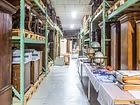
Sammlungszentrum Egliswil – Museum Aargau Binzenholzstrasse 10 5704 Egliswil Tel. 0848 871 200 Send a message Organisation Museum Aargau Management Member Contact Dr. Marco Sigg Director E-Mail Sibylla Fischer Head of Marketing & Communications E-Mail Rahel Göldi Head of Museum Programme E-Mail Andrea Lehner Head of Guest Services E-Mail Thomas Lüscher Head of Operations & Administration E-Mail Dr. Rudolf Velhagen Head of Collection & Conservation E-Mail
Directions to Egliswil Collection Centre Address Sammlungszentrum Egliswil – Museum Aargau Binzenholzstrasse 10 5704 Egliswil Contact Arrival by public transport and car Arriving by train and bus The Egliswil Collection Centre is well served by public transport. The bus stop "Egliswil, Industrie" is only a few hundred meters away. The bus stop is served by bus lines 390 and 395, which run every half hour between Lenzburg railway station and the Seetal. To the SBB timetable Arriving by car The collection centre is located on the edge of the village of Egliswil in the direction of Seon. A limited
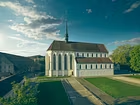
Directions to Vindonissa Museum Address Vindonissa Museum – Museum Aargau Museumstrasse 1 5200 Brugg Tel. 0848 871 200 Contact Arrival by public transport and car Arriving by train and bus The Vindonissa Museum is well served by public transport. For larger events especially, we recommend travelling by train and bus. There are direct train connections from Zurich, Basel and Bern to Brugg. There are several bus lines to the museum. The nearest bus stop is "Brugg, Eisi", which is served by line 374 from the railway station. The Vindonissa Museum can be reached on foot in about 7 minutes. To the SBB
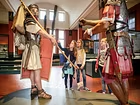
The Vindonissa Legionary Trail offers unforgettable experiences for children: discover the Roman sites of Vindonissa on your own or solve the riddle of the great oracle as a family in a play tour. Some of these offers are available in English. Families can discover the Legionary Trail on a self-guided tour. Most of the texts at the Roman sites are translated into English. There are also several picnic areas along the way. The Vindonissa Legionary Trail also offers the challenging " Becoming a Roman " (audio guide) play tour in English. This is suitable for families. Special events for children take
Experience the Vindonissa Museum at an event or public guided tour. Family afternoons take place regularly. Calendar of events (in German) Contact +41 (0)848 871 200 Send a message Telephone availability: Tuesday to Friday 9 am - 12 pm / 1 pm - 4:30 pm November to March only in the morning
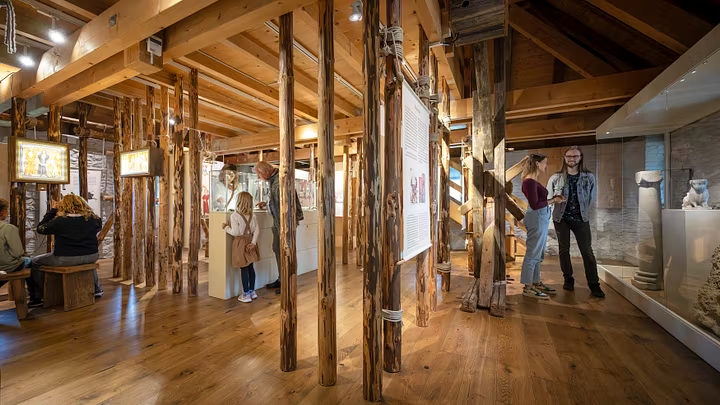
The Vindonissa Museum's exhibitions showcase the most important original finds from the excavations at Vindonissa. The permanent exhibition is translated into English. The only Roman legionary camp on Swiss soil was at Vindonissa. Excavations and research have been carried out here for around 100 years. The most important finds and discoveries can be seen in the exhibitions at the Vindonissa Museum. The museum is internationally renowned for the largest collection of Roman writing tablets, the most commonly used writing material of the Roman period. Other highlights include rare finds of leather
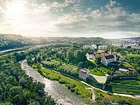
The origins of the ancient site of Vindonissa date back to a Celtic settlement controlling the strategically important position at the confluence of the Aare, Reuss and Limmat rivers. During the Alpine campaign of Emperor Augustus in 15 BC, Roman soldiers established a military post here which was later developed into a legionary camp under Emperor Tiberius (14–37 AD). The camp was some 20 hectares in size and was initially constructed by the 13th Legion out of wood and clay. The 21st Legion then gradually replaced and extended the existing buildings with stone structures. The last unit to occupy
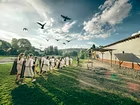
From April to October, the Vindonissa Legionary Trail offers exciting expeditions to original Roman sites. Two tours are available in English. On a self-guided tour, you'll encounter atmospherically presented archaeological sites and true-to-life reconstructions, from the sunken officers' kitchen to the excavated thermal bath and the impressive remains of the amphitheatre. Travel back 2,000 years and experience the life of the legionaries and their officers. Most of the texts in the Roman sites have been translated into English. The Vindonissa Legionary Trail offers two tours in English (see
Switzerland's first ever military hospital was built 2,000 years ago at Vindonissa. The 60 sick rooms enabled the provision of medical care for up to 300 legionaries. At the camp hospital (valetudinarium), military doctors and medical orderlies treated battle injuries, everyday illnesses and work accidents. In addition to the infirmary, the Romans also invented the world's first ever medical service. The military hospital is approx. 4,500 m2 in size and was discovered in 1936. Built first out of wood and later stone, it was situated at the centre of the camp, directly on one of the main camp roads
11 out of 20
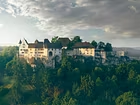
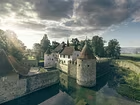
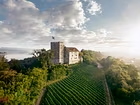
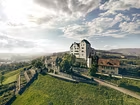
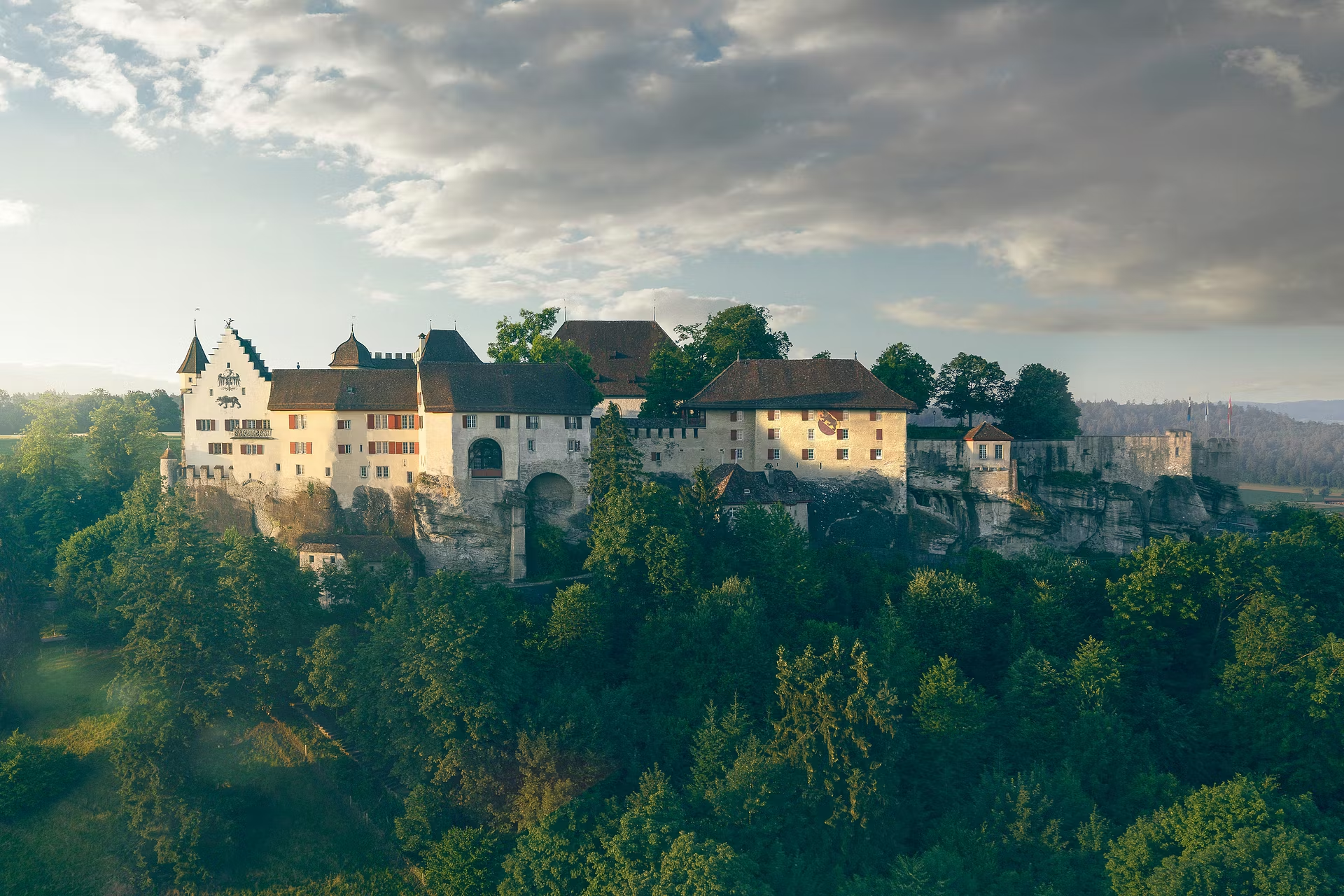
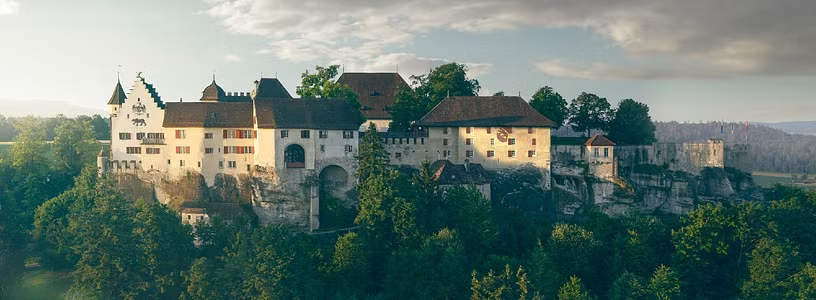
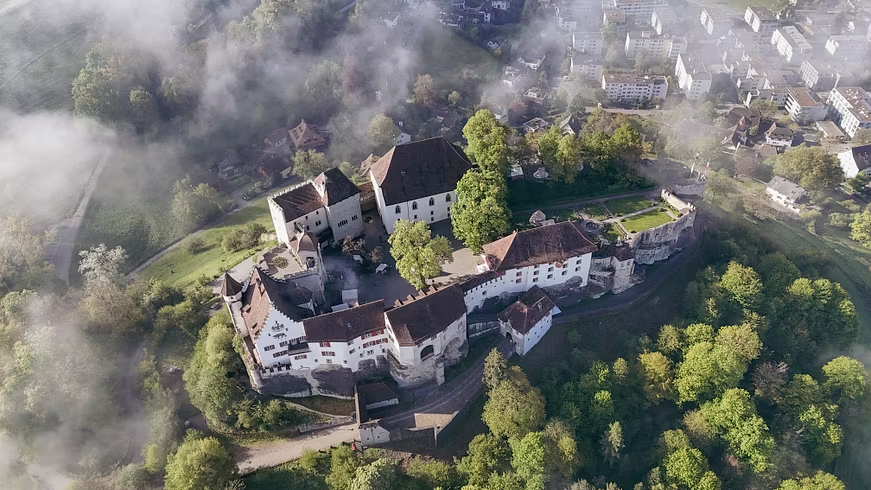
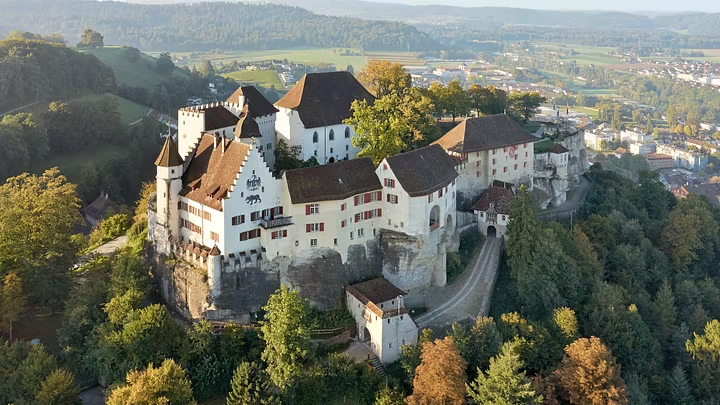
Lenzburg Castle
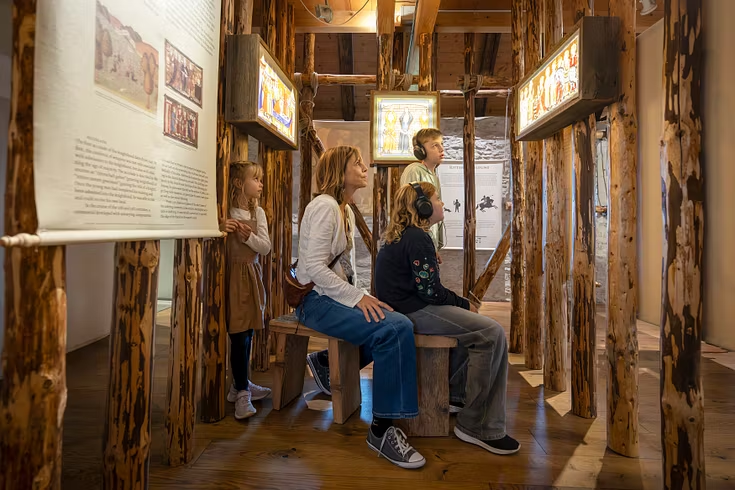
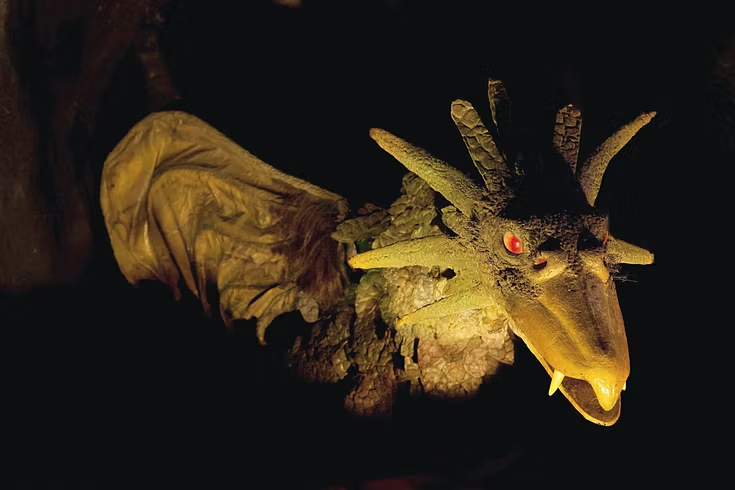
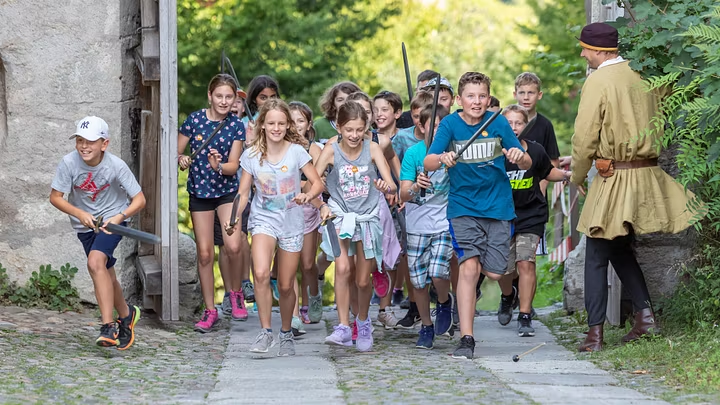
Home of knights and dragons
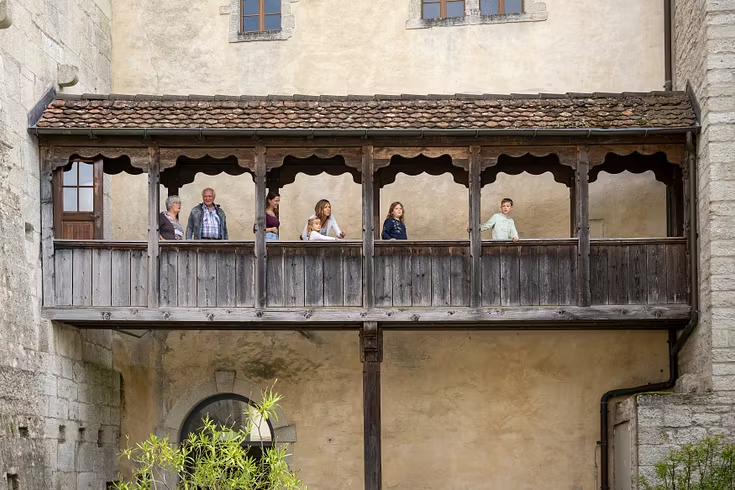
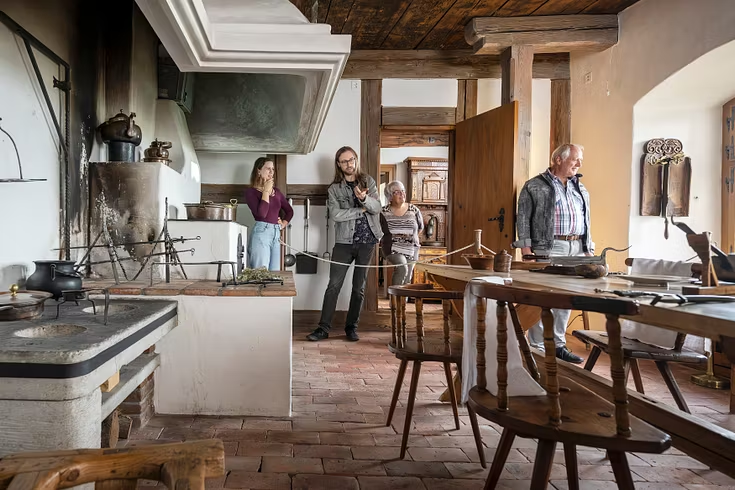
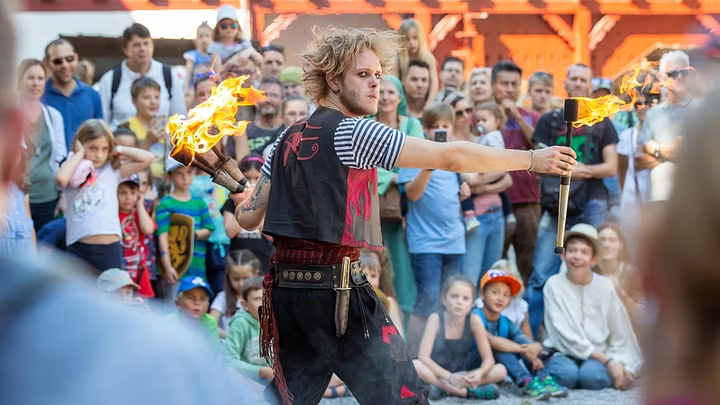
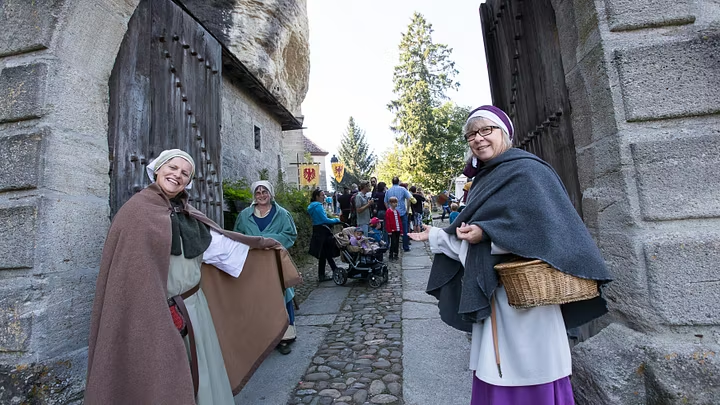
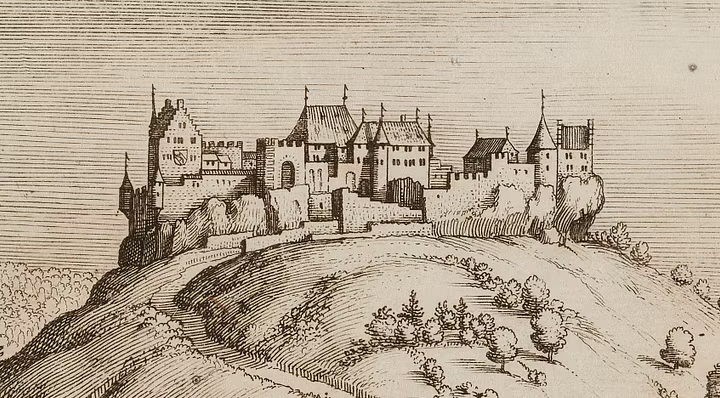
Lenzburg Castle is one of the most important hilltop castles in Switzerland. Experience knights, noblemen and crooks!