Directly at the intersection of the two main roads (Via principalis and Via praetoria) was the staff building (principia), the largest building within the camp. One of its central rooms was the flag shrine. In front of it was a portico that led to a large courtyard where there was an altar and a water basin, which was probably used for washing during sacrificial rites. Dazzling emblems The standards were placed in the flag shrine. These included the unit standards, adorned with dazzling decorations, and the flags (vexilla) for smaller units and cavalry. Of particular importance was the image of
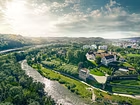
The origins of the ancient site of Vindonissa date back to a Celtic settlement controlling the strategically important position at the confluence of the Aare, Reuss and Limmat rivers. During the Alpine campaign of Emperor Augustus in 15 BC, Roman soldiers established a military post here which was later developed into a legionary camp under Emperor Tiberius (14–37 AD). The camp was some 20 hectares in size and was initially constructed by the 13th Legion out of wood and clay. The 21st Legion then gradually replaced and extended the existing buildings with stone structures. The last unit to occupy
From April to October, the Vindonissa Legionary Trail offers exciting expeditions to original Roman sites. Two tours are available in English. On a self-guided tour, you'll encounter atmospherically presented archaeological sites and true-to-life reconstructions, from the sunken officers' kitchen to the excavated thermal bath and the impressive remains of the amphitheatre. Travel back 2,000 years and experience the life of the legionaries and their officers. Most of the texts in the Roman sites have been translated into English. The Vindonissa Legionary Trail offers two tours in English (see
Directions to Vindonissa Museum Address Vindonissa Museum – Museum Aargau Museumstrasse 1 5200 Brugg Tel. 0848 871 200 Contact Arrival by public transport and car Arriving by train and bus The Vindonissa Museum is well served by public transport. For larger events especially, we recommend travelling by train and bus. There are direct train connections from Zurich, Basel and Bern to Brugg. There are several bus lines to the museum. The nearest bus stop is "Brugg, Eisi", which is served by line 374 from the railway station. The Vindonissa Museum can be reached on foot in about 7 minutes. To the SBB
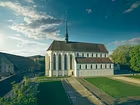
Wettingen Abbey church is divided by an imposing rood screen into a spiritual and a secular area: The converse church (rear part of the nave) was already open to the public when the abbey still existed. The red-brown rood screen, with its magnificent altars and paintings, provides a ceremonial setting for church services, concerts or weddings. The monks' church (front section of the nave) was reserved for the monks and clergy. The abbey church can be visited freely, and church services are held here regularly. The monks' church is part of the museum (admission fee payable). For more information,
Getting here Arriving by car Visitors with limited mobility can drive up to the abbey complex (Klosterstrasse). However, there are no parking spaces available here. We kindly ask you to park your car in the general parking lot (P+Rail facility at Wettingen train station, 5 minutes’ walk from the abbey). Above the abbey there are also a small number of parking spaces for disabled persons. Getting here Arriving by train and bus Wettingen Abbey is well connected by public transport (for bus and train connections see Getting here ). The abbey is about 400 metres from Wettingen train station. The
How to find Wettingen Abbey Address Museum Aargau Klosterhalbinsel Wettingen (Wettingen Abbey) Klosterstrasse 10 5430 Wettingen Tel. 0848 871 200 Contact Getting here by public transport and car Getting here by train and bus Wettingen Abbey is well served by public transport. For larger events in particular, we recommend travelling by train and bus. Train and bus connections SBB direct trains run from Zurich main station, Olten, Aarau and Baden to Wettingen. From Wettingen station you can reach the abbey on foot in 5 minutes. The signposted path runs through the station underpass towards the south-west
The Museum Aargau Collection has been assembled from various holdings since 1830. It consists of bequests from Aargau's castles and monasteries, numerous donations, objects acquired from company archives and targeted purchases. The Collection is constantly being expanded and documents Aargau's history in tangible form through objects that can be experienced. Collecting, preserving, researching Collecting, preserving and researching objects are among the core tasks of a museum. A collection strategy defines the criteria according to which objects are collected. When an object is added to the Collection
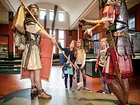
Wildegg Castle offers great attractions for children and families: discover secret corners, play in the castle barn and hunt the nimble fox on the Foxtrail! Children can dress up as knights and damsels in the old castle barn, set the table in the children's castle or saddle their wooden horse in the stables. If you feel peckish or thirsty, the castle bistro offers regional delicacies and invites you to linger in the castle courtyard. There are barbecue and picnic areas in the castle grounds. The playground at Wildegg Castle is sure to delight children of all ages. Opening hours 1 April to 1 November
Wettingen Abbey offers great attractions for children and families: discover secret corners and solve the mystery of an incident in the year 1762. Offers for children (in German) Opening hours 1 April to 1 November 2026 Tue – Sun, holidays: 10 am – 5 pm Mon: closed
13 out of 20
Königsfelden Abbey
A Habsburg place of remembrance
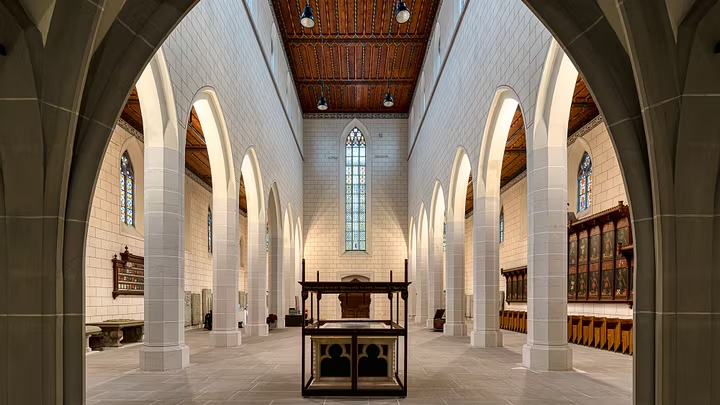
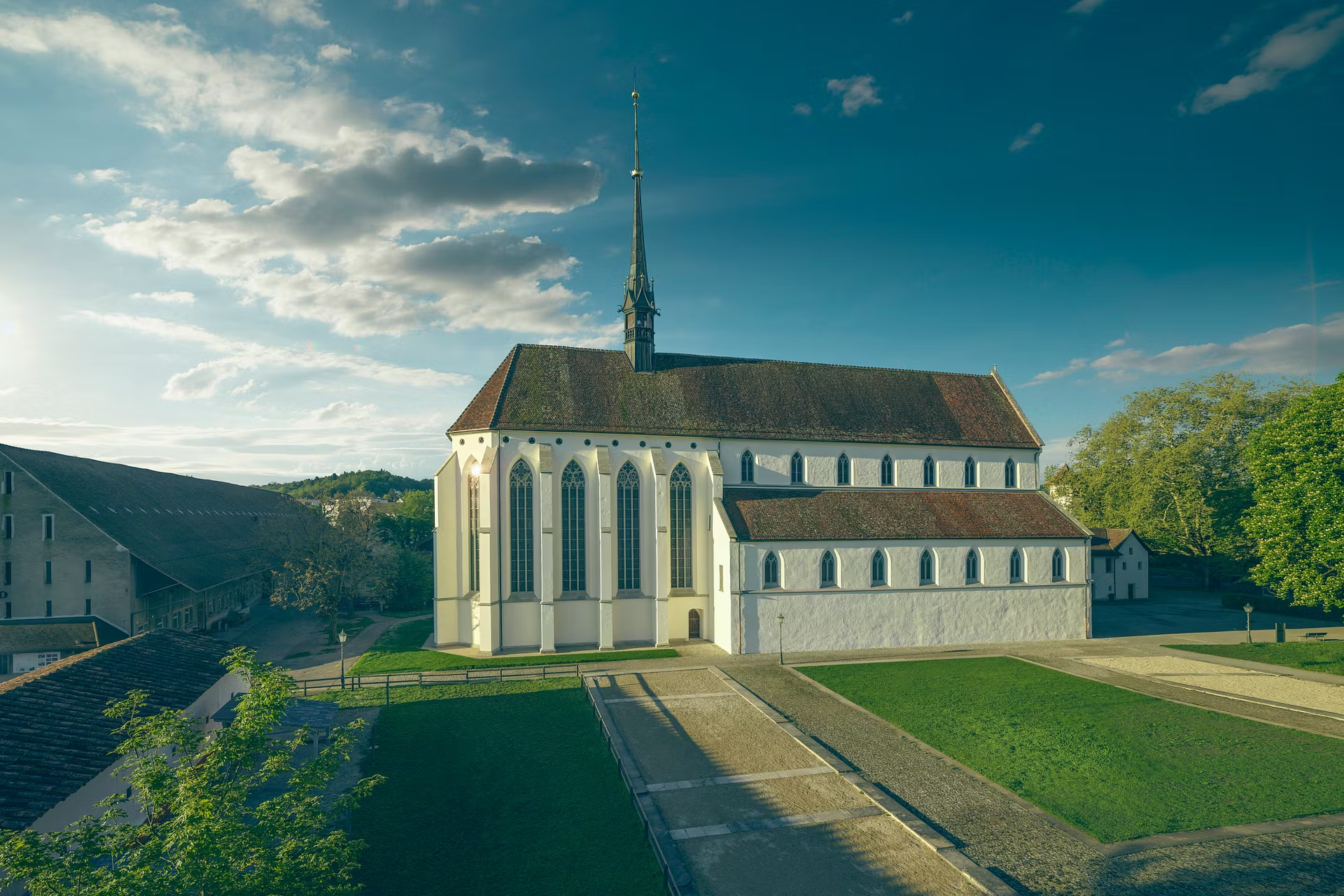
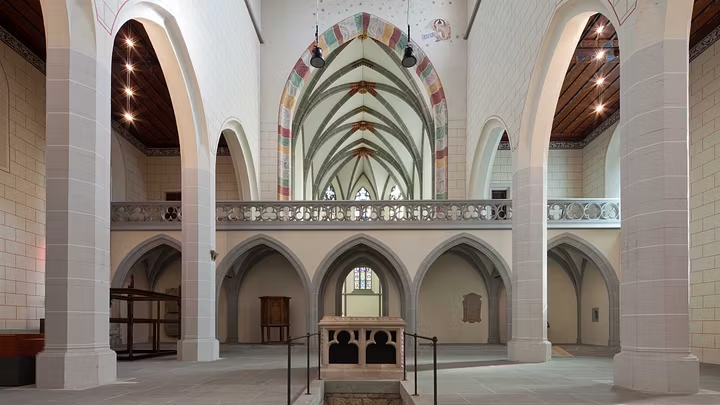
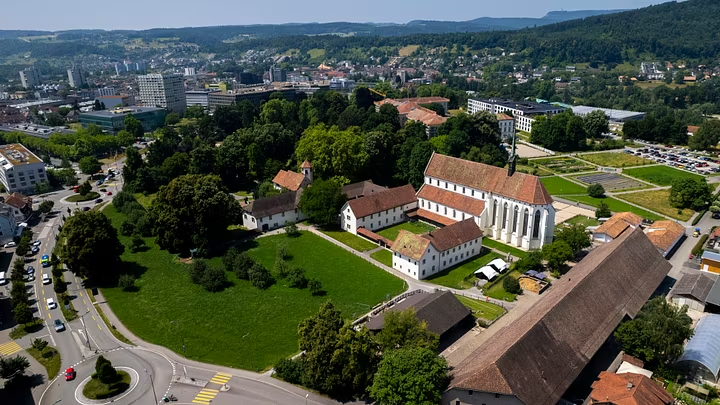
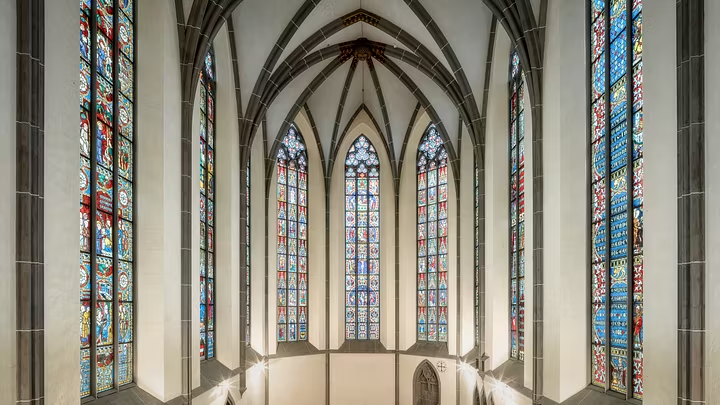
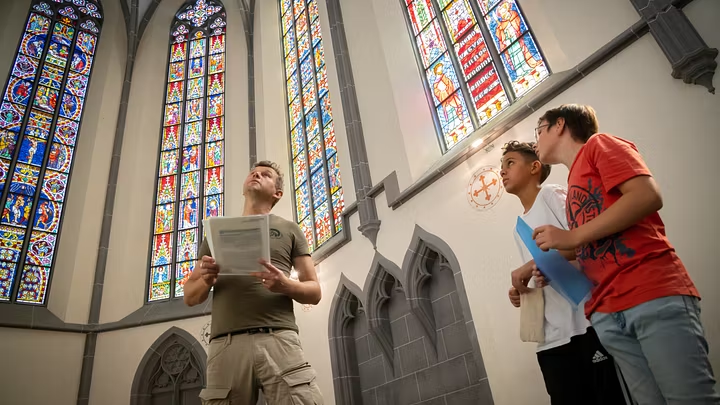
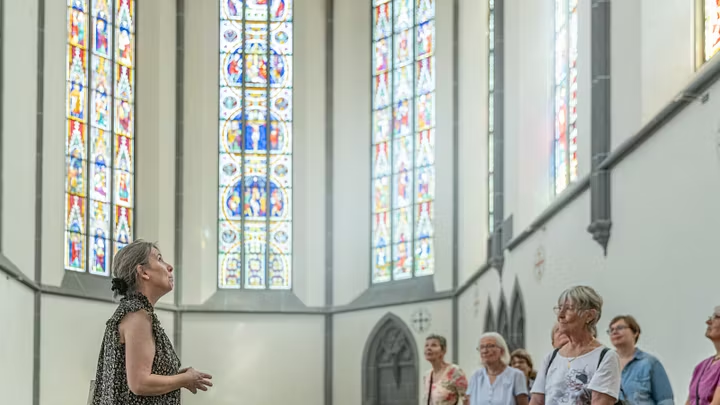
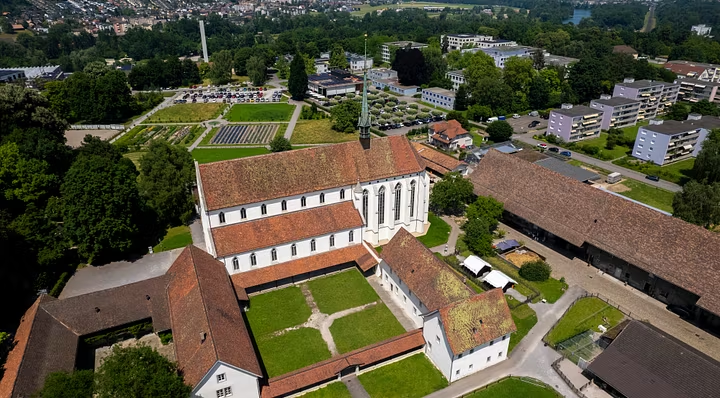
Königsfelden Abbey is internationally renowned for its stained glass windows from the Middle Ages. Exhibitions, guided tours and events bring the 700-year-old abbey church back to life.