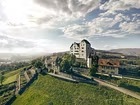
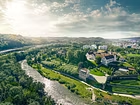
The amphitheatre of Vindonissa is the oldest in Switzerland. It was erected by the 13th legion, initially being made of wood. After a fire, the 21st legion replaced it with the stone structure that survives today. The seating area (cavea) had a capacity of some 11,000 spectators while the oval arena in the centre measured 64x52 metres - the largest of the seven known amphitheatres on Swiss territory. The amphitheatre was a Roman invention that was widespread in the provinces and is regarded as the ultimate symbol of Roman culture. Animal hunting and slaying (venationes) and gladiator duels (munera
Legionärspfad Vindonissa – Museum Aargau Königsfelderstrasse 265 5210 Windisch Tel. 0848 871 200 Send a message Organisation Museum Aargau Management Member Contact Dr. Marco Sigg Director E-Mail Sibylla Fischer Head of Marketing & Communications E-Mail Rahel Göldi Head of Museum Programme E-Mail Andrea Lehner Head of Guest Services E-Mail Thomas Lüscher Head of Operations & Administration E-Mail Dr. Rudolf Velhagen Head of Collection & Conservation E-Mail
ROMAN SITES Amphitheatrum Amphitheatre Porta Decumana North Gate Porta Principalis West Gate Contubernia Soldiers' quarters Culina Centurionis Officer's kitchen Aquaeductus Water main Cloaca Maxima Large sewer Aedes Flag shrine Balneum Baths Valetudinarium Military hospital Via et Porta Praetoria Main street and main gate HISTORY AND ARCHAEOLOGICAL RESEARCH History The only Roman legionary camp in Switzerland Archaeological research A whole series of spectacular finds
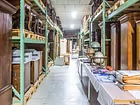
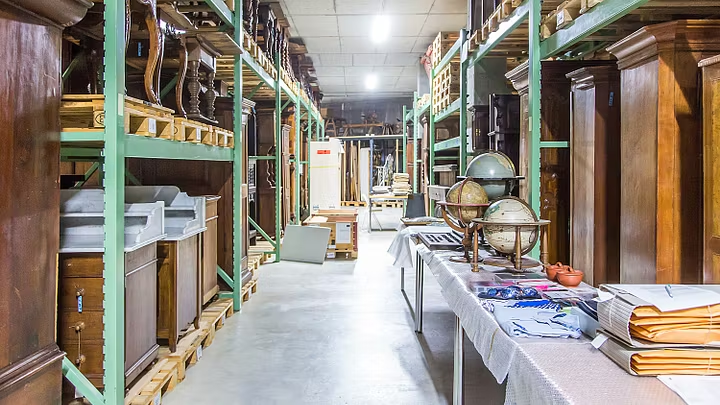
The depots and archives now contain hundreds of thousands of items and archaeological information that sheds light on the world of the Romans in Vindonissa. Some of this treasure trove is now on show at the Vindonissa Museum in Brugg. In Windisch it is possible to view the structural remains dating back to the time of the legionary camp in the form of stations along the Legionary Trail. The terrain in Windisch and Brugg continues to yield spectacular archaeological discoveries to this day. The most recent examples are the site of the eastern camp gate discovered by archaeologists of the canton
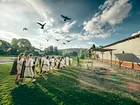
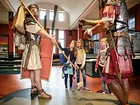
Overnight stays for schools Suitable for From Year 3 onwards Maximum number of people 2 school classes 300 NICHT LÖSCHEN - dient den Daten auf der Homepage Cook and spend the night like the Romans Spend an unforgettable night in the faithfully recreated legionary's quarters Contubernia! Pupils learn under the guidance of a legionary or a Roman woman everything that a Roman soldier had to know and be able to do. After marching, the school class cooks a traditional legionary meal by the fire. Then it's on with fights, games and campfire atmosphere. As a highlight, straw mattresses in the contubernium
Play tour for children Suitable for Ages 8 and up Admission Museum entrance fee Duration 180 minutes Registration Not required (recommended for schools) 180 Ages 8 and over – The legion commander needs your help The legion commander needs your help: the Vindonissa legionary camp is in danger! Set off with your legionary's backpack and Roman passport and become a legionary at eight original locations. The gods will whisper tips into your ear to help you decipher the great oracle of the water god Neptune. You'll learn about the everyday life of the legionaries, listen to conversations between the
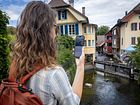
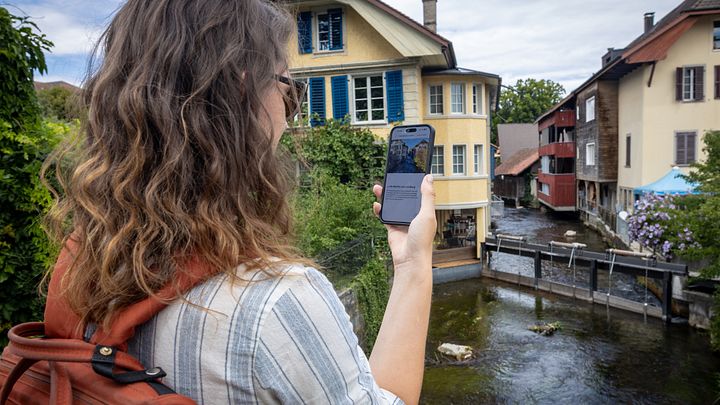
Audio tour for adults Price Museum entrance fee Duration 60 minutes 60 Daily Life, Power and Spirit in the Legion When legionaries were stationed in Vindonissa, the Roman Empire was at the very peak of its power. No empire had ever been mightier, or more feared by its enemies. On this captivating audio tour, you will explore original sites that bring to life both the military strength of the legionaries and the vibrant everyday life in and around a Roman legionary fortress. Themed tour for adults and groups on the Vindonissa Legionary Trail: ‘The Legionary – In Battle and Service to Rome’. Daily life
3 out of 3
Museum Aargau
Experience History inits Original Setting
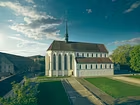
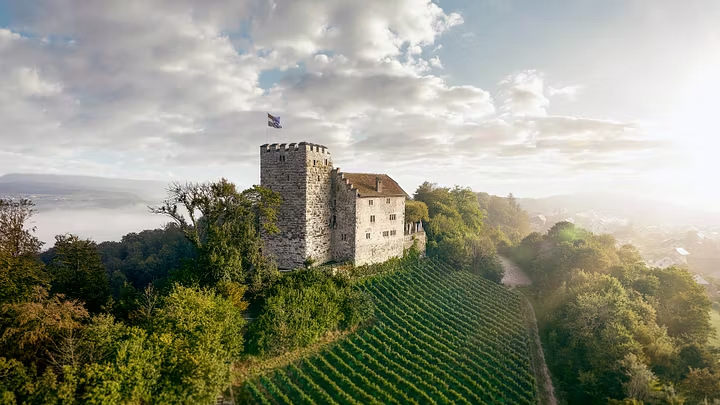
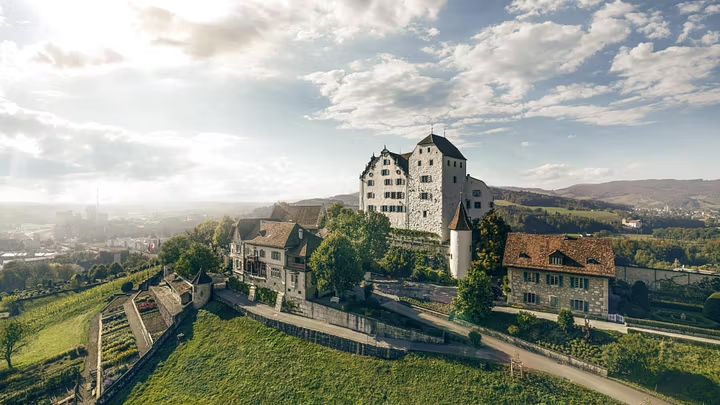
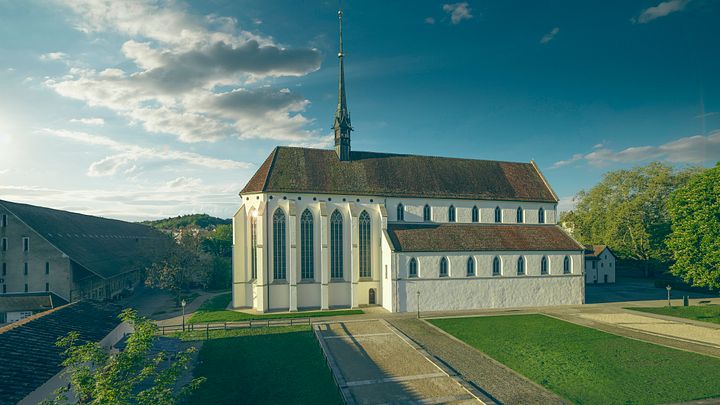
Museum Aargau is one of the largest historical museums in Switzerland. Experience four castles, a Roman camp, two abbeys, the Collection and industrial culture!